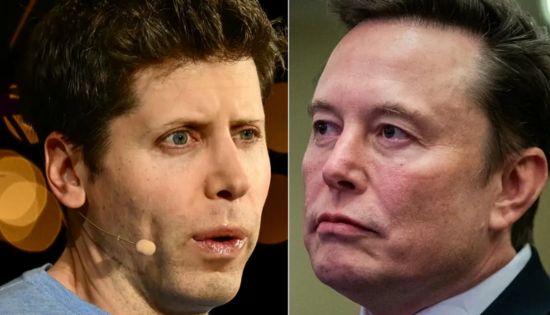
Jury selection began on Monday in the high-profile lawsuit pitting Elon Musk against OpenAI and its chief executive Sam Altman, opening a courtroom battle between two of the most prominent rivals in the artificial intelligence industry.
The trial, taking place near San Francisco, centres on Musk’s claim that Altman deceived him into investing millions of dollars in OpenAI by representing it as a nonprofit research lab whose technology “would belong to the world.” Musk, who later parted ways with the organisation, argues that OpenAI’s subsequent creation of a commercial subsidiary to fund data centres for its technology violated that founding pact.
In court filings, Musk has called for OpenAI to be compelled to return to its nonprofit character. The case has wider implications for how AI is governed and whether companies that began as research collaborations can pivot to commercial models without the consent of their original backers.
Observers say the case is also a personal feud rooted in commercial rivalry. OpenAI’s ChatGPT competes directly with Grok, the chatbot built by Musk’s xAI lab and launched in 2023. The proceedings will examine how AI should be developed and deployed at a moment when policymakers in multiple jurisdictions are weighing job-displacement risks and existential safety concerns associated with the technology.
OpenAI has rejected Musk’s allegations and previously argued that the move to a capped-profit subsidiary was necessary to attract the capital needed to compete in the field. The trial outcome could shape how foundational AI labs structure themselves and the legal weight of nonprofit pledges made at incorporation. OpenAI made headlines earlier in 2026 when it apologised for failing to alert police to a mass shooter’s ChatGPT activity, while the wider sector was rattled by mass layoffs at Microsoft and Meta as AI capital spending surged.
Source: Newswire.