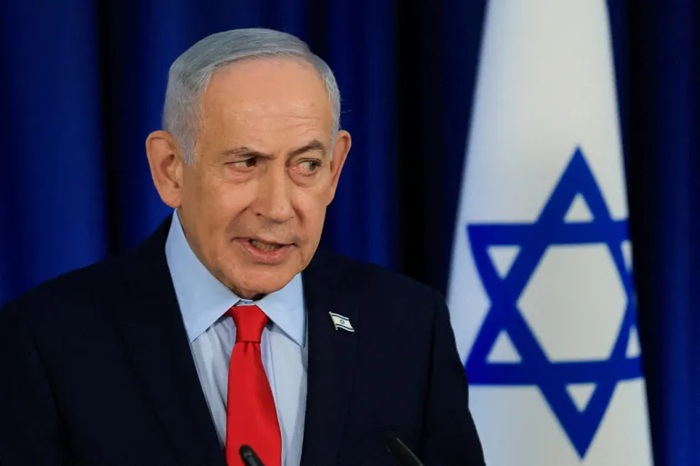
Israeli Prime Minister Benjamin Netanyahu’s office has clarified that the two-week US-Iran ceasefire announced on April 8 does not extend to Lebanon, directly contradicting Pakistani Prime Minister Shehbaz Sharif’s earlier statement that the truce applied “everywhere, including Lebanon and elsewhere.”
Netanyahu said Israel supports US President Donald Trump’s decision to pause strikes on Iran for a two-week negotiation window, framing it as consistent with the goal of ensuring Iran “no longer poses a nuclear, missile and terror threat to America, Israel, Iran’s Arab neighbours and the world.” But the Israeli leader pointedly excluded the Lebanese front from any halt in operations.
The Lebanon theatre opened on March 2, 2026, when Hezbollah launched attacks on Israel after Iran’s Supreme Leader Ayatollah Ali Khamenei was killed. Israeli operations since then have left more than 1,500 dead and displaced over a million Lebanese civilians, according to local authorities. Hezbollah cited both Khamenei’s killing and what it called violations of the November 2024 ceasefire as justification for its renewed attacks.
Hezbollah and Lebanese government officials had not responded to Netanyahu’s clarification at the time of reporting. The contradiction between Islamabad’s announcement and Tel Aviv’s position raises immediate questions about the scope and durability of the ceasefire framework, which Pakistan brokered and which is set to be formalised in talks scheduled to begin Friday in Islamabad.
For Sri Lanka, the Lebanon exclusion preserves a continued risk of regional escalation that could re-tighten energy markets just as Brent crude has slipped below $90 a barrel on the broader ceasefire news.