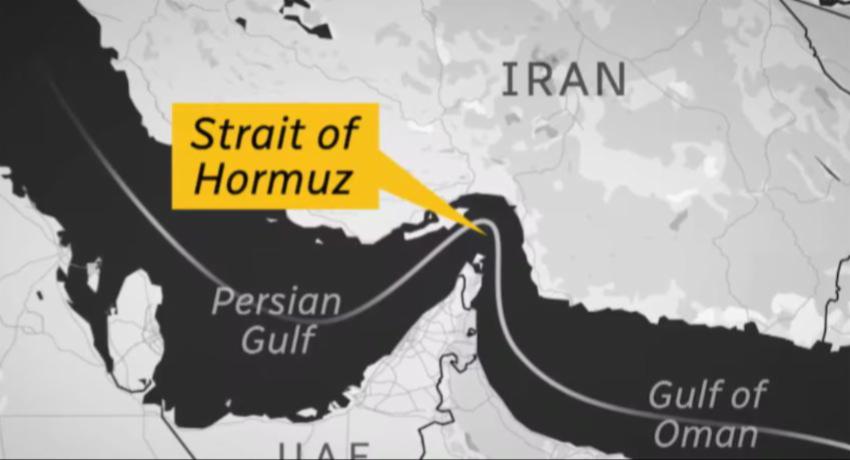
Oil prices rose for a second consecutive day on Thursday despite the US-Iran ceasefire, as few commercial vessels are venturing through the Strait of Hormuz and attacks on Saudi Arabia’s energy infrastructure add further upward pressure.
Brent crude, the global benchmark, gained 0.9% to $96.8 per barrel, while WTI, the US benchmark, rose by a similar margin to $98.9. The increases partially reverse last Wednesday’s 13.3% ceasefire-driven drop.
Saudi pipeline damage
Attacks on Saudi Arabia’s critical East-West Pipeline have led to the loss of approximately 700,000 barrels per day of production and transport capacity, Saudi state media reported, citing an anonymous Ministry of Energy official. Additional infrastructure strikes have reduced capacity by a further 600,000 barrels per day — a combined loss of 1.3 million barrels daily.
The Saudi Press Agency did not specify when the attacks occurred, but described significant damage to the kingdom’s oil and natural gas facilities.
Hormuz still avoided
Despite the two-week ceasefire brokered through Pakistan, commercial shipping continues to bypass the Strait of Hormuz. The narrow waterway, through which roughly a fifth of global oil passes, remains effectively underutilised as insurers and vessel operators await evidence of sustained stability.
Sri Lanka implications
The persistent oil price elevation threatens to delay the fuel price relief Sri Lanka had hoped for following the ceasefire. The government’s Rs. 100 diesel subsidy and broader relief package face additional fiscal pressure if crude remains near $97 per barrel.
The Sapugaskanda refinery closure due to delayed crude deliveries further compounds Sri Lanka’s exposure to global oil supply disruptions.