Pakistani officials are expecting a “major breakthrough” in talks between Iran and the United States over Tehran’s nuclear programme, sources told Al Jazeera, as Islamabad intensifies a mediation effort aimed at ending a war that has killed thousands.
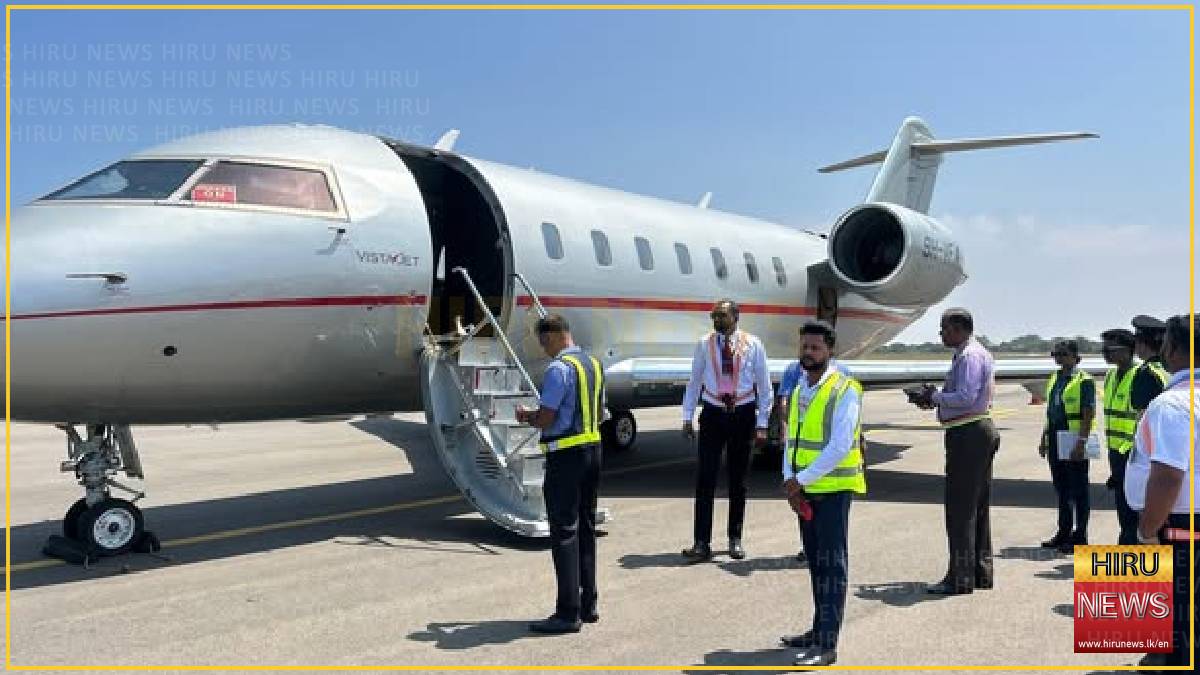
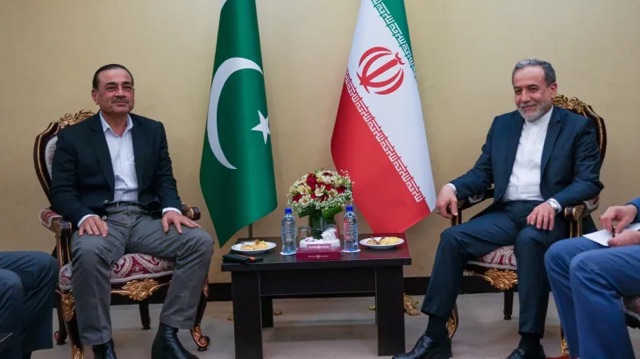
The optimism coincided with Pakistan Army Chief Field Marshal Asim Munir’s arrival in Tehran at the head of a high-level delegation carrying a message from Washington to the Iranian leadership. Iran’s Foreign Minister Abbas Araghchi received the delegation and thanked Pakistan for “gracious hosting of dialogue,” Press TV reported. Munir is also seeking to lay the groundwork for a second round of direct US-Iran talks.
Al Jazeera correspondent Osama Bin Javaid, who has been covering the mediation, said the sides remain divided on the duration of any enrichment freeze. “Both sides are essentially stuck on between five years of no enrichment to 20 years of no enrichment. And there is a solution in the middle,” he said.
A second sticking point is what happens to Iran’s existing stockpile of 440 kilogrammes of highly enriched uranium. Options on the table include shipping it to a third country, downblending it to natural uranium, or reducing enrichment to 3 percent — the threshold typically used for civilian power generation.
However, a spokesperson for Pakistan’s foreign ministry told Reuters on Thursday that no dates have been agreed for a second round of talks, tempering expectations of an imminent deal.
A nuclear deal between Washington and Tehran would directly ease pressure on Sri Lanka’s fuel supply, which has been strained by elevated oil prices and Strait of Hormuz disruption since the conflict began. Brent crude has traded above $100 a barrel for most of the past two weeks.