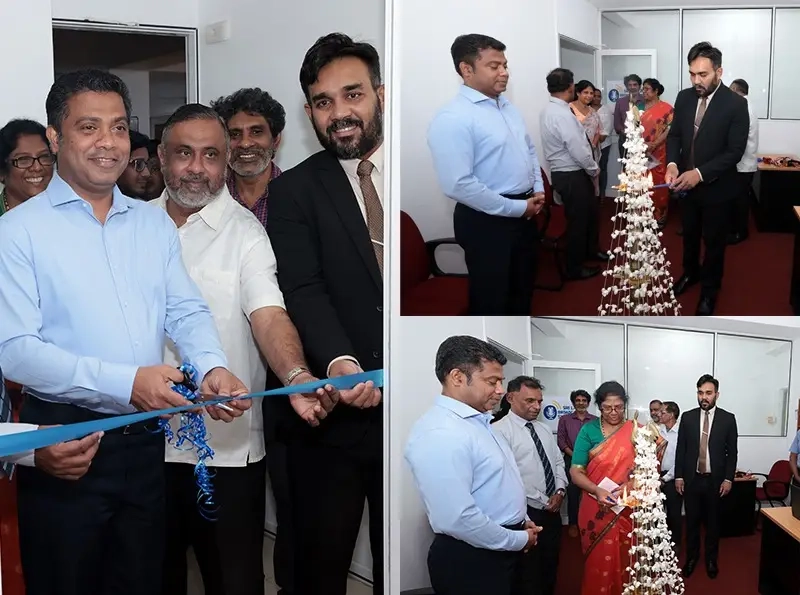
Sri Lanka’s government and PayPal officially launched the global payment platform in the country on Friday at a Galle Face Hotel event, ending more than a decade of stalled discussions and reaching what state media first signalled a week earlier when Sri Lanka Rupavahini Corporation reported that services would begin from May 15.
Sources familiar with the matter told Newswire that PayPal officials visited Sri Lanka last month for discussions with local stakeholders on the rollout. The reported move has drawn heavy attention from freelancers, digital entrepreneurs and online businesses, who have long called for full PayPal access on par with regional peers.
While Sri Lankans have for years been able to make outbound payments through PayPal, receiving international payments directly into local bank accounts has remained restricted. A full launch would for the first time allow merchants and individual workers to draw foreign-currency earnings into rupee accounts via the platform — a long-standing gap for the country’s growing freelance and IT-enabled services sector.
In a statement released later on Thursday and reported by NewsFirst, the Ministry of Digital Economy said preliminary work and technical discussions to introduce PayPal services in Sri Lanka are “proceeding at a very successful level” under the government’s programme to position Sri Lanka as a leading hub on the global digital map. The Ministry said the service would empower freelancers, remove barriers for young Sri Lankans selling services in the global market, and channel digital export earnings into the country, while supporting cashless transactions and innovation in the financial technology sector. The Ministry did not confirm the May 15 timing.
PayPal itself, the Central Bank of Sri Lanka and Cabinet have not separately announced a launch date or commercial terms. Past PayPal-Sri Lanka launch reports have come and gone without delivery, so the absence of corporate or regulatory confirmation of an exact rollout date remains a notable caveat.
If the launch proceeds, it would mark one of the most significant changes to Sri Lanka’s cross-border retail payment landscape since LankaQR’s interoperable rollout. The Central Bank has been pushing digital payment adoption as part of a broader push to draw remittance and freelance earnings through formal channels, and the easing rupee outlook in recent weeks has reopened space for inbound foreign-exchange platforms.
PayPal moved closer to a Friday launch on Thursday by listing three local financial institutions under a newly added “Partner Banks in Sri Lanka” section on its website, Newswire reported. The page names Sampath Bank, Commercial Bank of Ceylon and Bank of Ceylon, with users able to either create a new PayPal account or link an existing account to their bank to receive and withdraw funds.
The launch was formally announced on Friday at a Galle Face Hotel event attended by Prime Minister Dr. Harini Amarasuriya, with services rolling out initially through Bank of Ceylon, Commercial Bank of Ceylon and Sampath Bank, Daily FT reported. Additional banks are expected to join the platform in the coming months. The President’s Office said it had engaged directly with PayPal representatives in India to deliver the launch, ending more than a decade of stalled discussions.
Digital Economy Deputy Minister Eng. Eranga Weeraratne said Sri Lanka’s digital exports currently amount to around US$1.5 billion, with a substantial shadow industry having developed because of difficulties receiving international payments through formal channels. Central Bank Governor Nandalal Weerasinghe said the platform would encourage foreign exchange inflows through regulated financial systems and strengthen Sri Lanka’s integration into global digital and knowledge-based markets. The banking sector welcomed the move, framing PayPal as a boost for digital workers and formal foreign-exchange inflows.