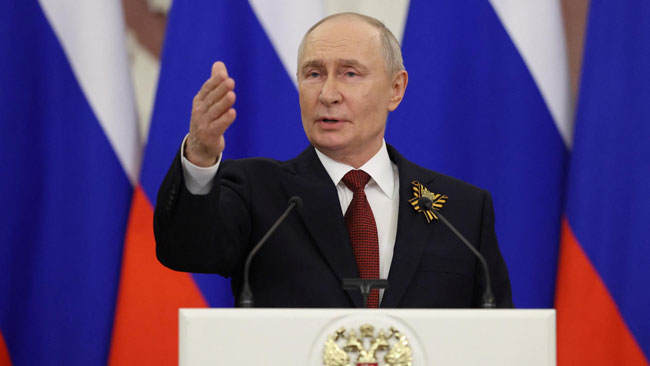
Russian President Vladimir Putin told reporters at the Kremlin on Saturday that he thought the Ukraine war was coming to an end, just hours after he had pledged victory at Russia’s most scaled-back Victory Day parade in years.
“I think that the matter is coming to an end,” Putin said when asked about the Russia-Ukraine war. He added that he would be willing to negotiate new security arrangements for Europe and that his preferred negotiating partner would be Germany’s former Chancellor Gerhard Schröder, a long-standing personal contact who has remained an outspoken Putin ally since leaving office.
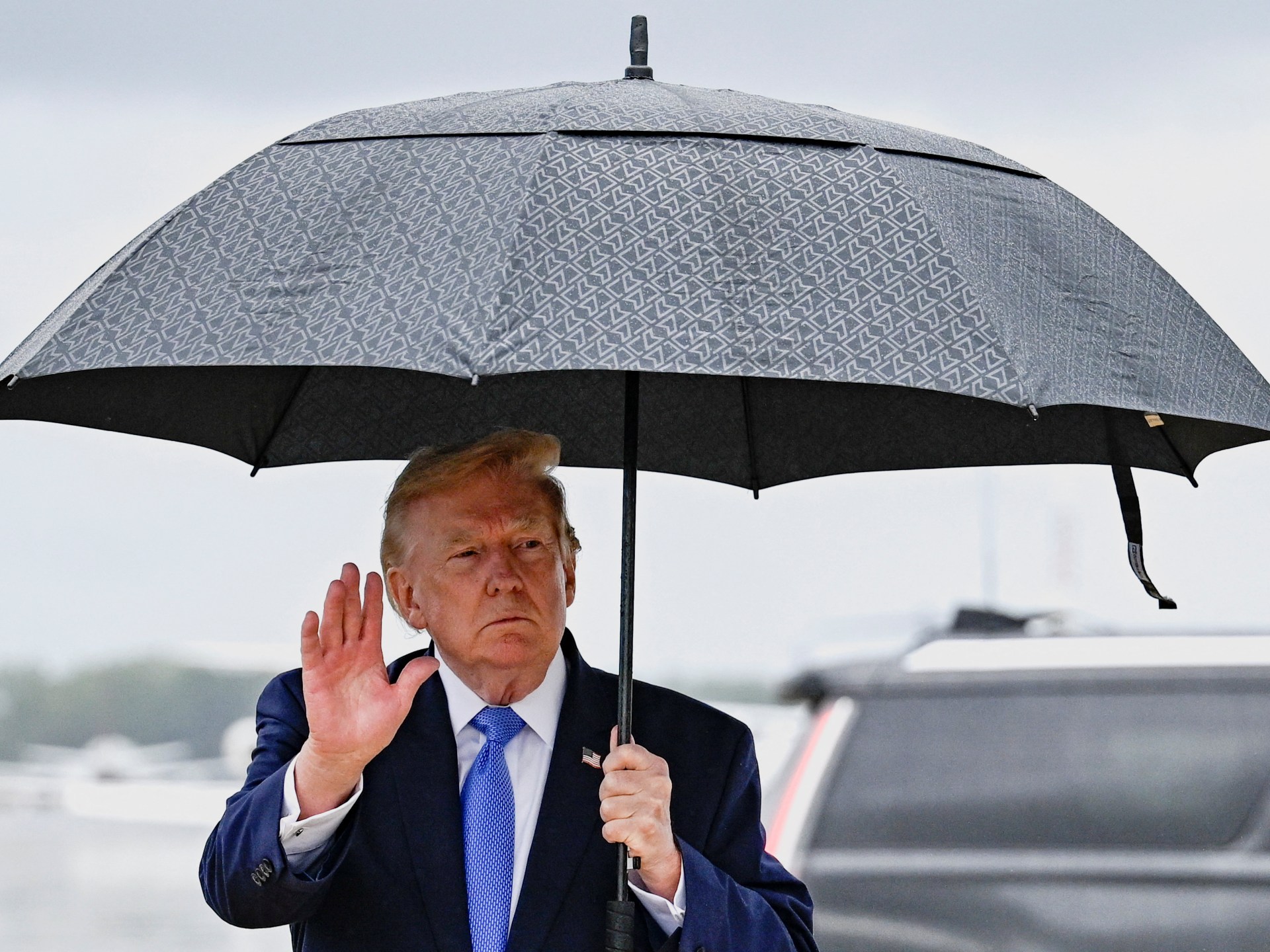
The comment landed within hours of a three-day ceasefire brokered by US President Donald Trump that runs from Saturday through Monday and includes a 1,000-for-1,000 prisoner exchange. There were no reported violations of the truce from either side at the time of Putin’s remarks. “I’d like to see it stop. Russia–Ukraine — it’s the worst thing since World War Two in terms of life,” Trump told reporters in Washington, adding he would “like to see a big extension” of the pause.
Putin said any meeting with Ukrainian President Volodymyr Zelenskyy in a third country would only be possible after a long-term peace treaty had been finalised — repeating Moscow’s stance that bilateral talks must follow, not precede, an agreement. The Kremlin earlier in the week said US-mediated peace talks were on pause, after Russia and Ukraine accused each other of violating unilateral ceasefires they had each declared in recent days.
The Victory Day parade itself was visibly scaled back, with Russia substituting video screens of military hardware in action for the usual rolling display of intercontinental ballistic missiles, tanks and missile systems. Russian forces have been fighting in Ukraine for over four years and now control just under one-fifth of Ukrainian territory, with advances slowing this year as Ukrainian troops dig in along a line of fortress cities in the Donbas.
In setting out his view of the war’s causes, Putin again blamed “globalist” Western leaders, saying they had promised NATO would not expand eastward after the 1989 fall of the Berlin Wall but had then sought to draw Ukraine into the European Union’s orbit.
Sources: Ada Derana (citing Reuters), CNBC.