Sri Lanka Telecom PLC said its dollar reserves rose by around 30 per cent in the first quarter of 2026, strengthening the group’s foreign currency position at a time when many local companies remain cautious about external payment risks and exchange-rate volatility.
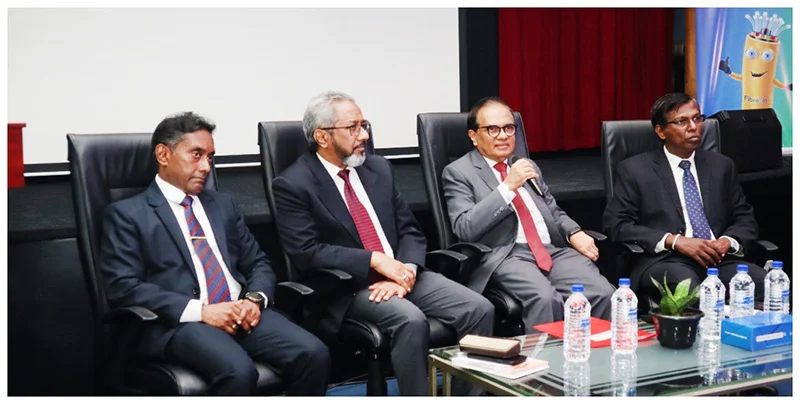
SLT Group Chairman Dr. Mothilal de Silva disclosed the increase at a post-results media briefing on Monday at the SLT head office in Colombo, but declined to reveal the exact value of the reserves, describing it as commercially sensitive.
“We do not disclose the exact figure because it could affect our negotiations with international suppliers and contractors,” he said, in response to a question raised at the briefing.
The stronger dollar liquidity comes as a strategic advantage for SLT-MOBITEL, whose operations remain heavily dependent on imported telecom infrastructure including fibre-optic equipment, transmission hardware, mobile network systems and digital technology platforms — most of which are priced in US dollars. The reserve position is expected to give the group greater flexibility in funding network expansion, servicing foreign currency obligations and managing exchange-rate exposure.
The remarks accompanied SLT Group’s strongest-ever quarterly operating profit and net earnings. Group revenue rose 10.6 per cent year-on-year to Rs. 30.8 billion, operating profit surged 39.1 per cent to Rs. 5.1 billion, and profit after tax jumped 53.3 per cent to Rs. 3.1 billion.
The company also highlighted continued investment in broadband and next-generation infrastructure, including a wider rollout of 5G services, as the local telecom sector positions itself for higher data consumption and enterprise digitalisation.
The disclosure on foreign currency reserves carries broader significance for investors monitoring corporate resilience in Sri Lanka’s still-fragile post-crisis recovery environment. The group acknowledged that revenue expansion remained challenging in the current market but said it had a strategy in place to sustain growth.
The earnings come against the backdrop of continued pressure on the rupee, which industry bodies including JAAF have attributed to global factors rather than domestic weakness.