Iran’s Foreign Ministry spokesperson Esmaeil Baghaei said on Monday that the United States continues to have “unreasonable demands” in its efforts to end the war, defending Tehran’s counter-proposal as legitimate and “not excessive.”
Baghaei said regional stability and security had been “undermined” after US President Donald Trump rejected Iran’s response to the latest US proposal — a counter-offer delivered to Pakistan, the mediator, on Sunday.
“Whenever we are forced to fight, we will fight, and whenever there is room for diplomacy, we will seize that opportunity,” Baghaei said. “However, diplomacy has its own rules. The decision will be based on our national interests, and Iran has proven that we are keen on safeguarding our people’s interests.”
The spokesperson set out the elements of Iran’s offer to end the war and reopen the Strait of Hormuz as: an end to hostilities; the lifting of what Tehran characterised as a US “blockade and piracy”; the release of Iranian assets frozen abroad; safe passage through the Strait of Hormuz; and the establishment of security in the region and Lebanon.
“These are considered a generous and responsible offer for regional security,” Baghaei said. In a separate report on the same press briefing, Ada Derana cited Baghaei as describing the proposal to end the war and reopen Hormuz as “legitimate and generous,” while accusing Washington of continuing to uphold “unreasonable and one-sided demands.”
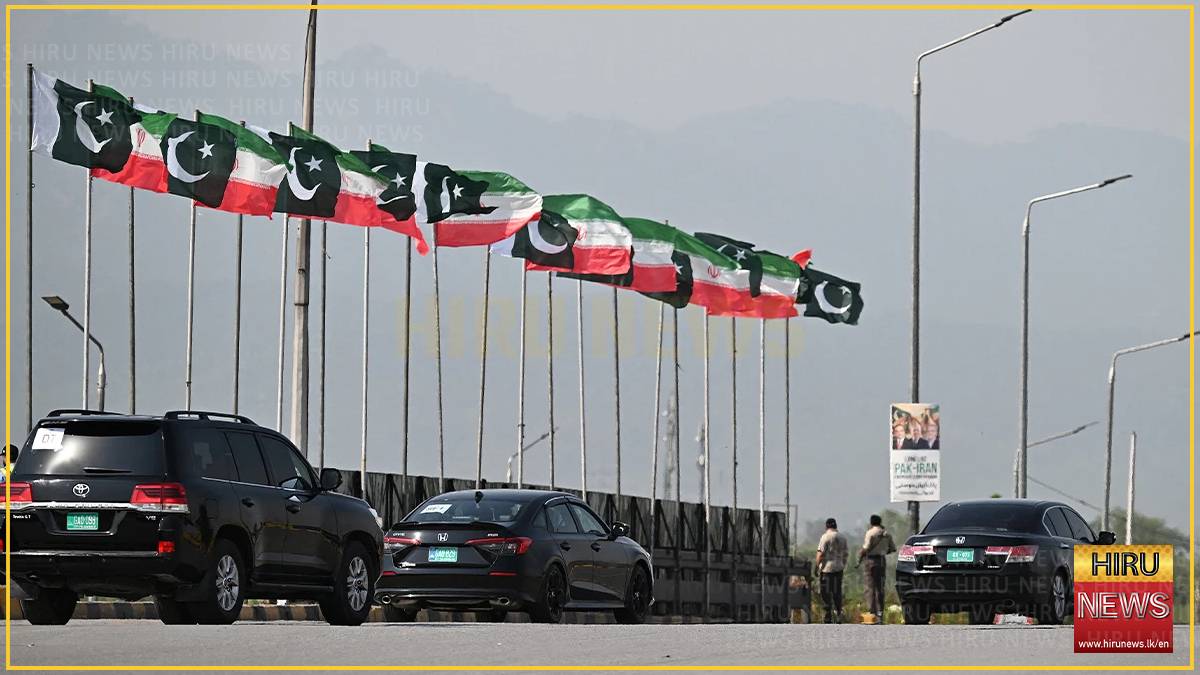
The exchange continues a Pakistan-mediated diplomatic sequence that has now produced four publicly traceable steps: the original US offer relayed via Islamabad on Saturday (a 12-year uranium-enrichment halt in exchange for sanctions relief); Iran’s response on Sunday; Trump’s “totally unacceptable” rejection later that day; and Baghaei’s Monday rebuttal.
Markets remained jittery as the diplomatic track stalled, with Brent crude jumping above $104 on Monday morning after Trump’s rejection.