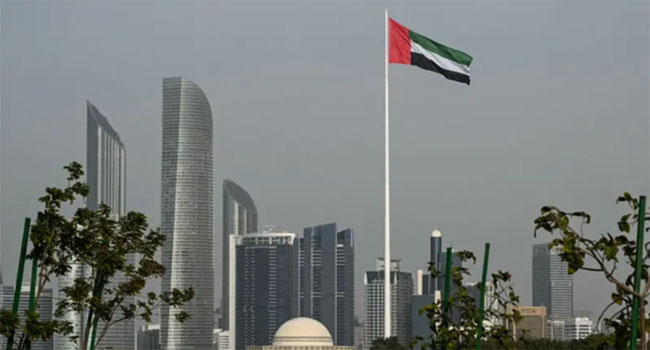
The United Arab Emirates said on Tuesday evening that its air defences were “currently dealing with a missile threat” from Iran, the second consecutive day Iranian projectiles have targeted the Gulf state. The UAE Interior Ministry told residents to remain in safe locations and follow guidance from authorities.
The fresh attack came hours after the UAE confirmed that its air defences had engaged 19 missiles and drones fired by Iran on Monday, the first such strike since the early-April ceasefire. Authorities said civilian sites and facilities were targeted and warned that Abu Dhabi reserves the right to respond.
The UAE has partially closed its airspace until 11 May. Aircraft are restricted to designated routes under a Notice to Airmen, with airlines including Emirates and Etihad rerouting traffic away from affected corridors. The UAE said it has absorbed more incoming Iranian fire than any other country in the past two months.
The scope of Tuesday’s attack was not immediately clear. Sirens sounded across parts of the country and residents in Dubai, Sharjah and Ajman were told to stay indoors. The Pentagon has not formally commented on the latest engagement, but US Defence Secretary Pete Hegseth said earlier on Tuesday that the wider US-Iran ceasefire framework was “not over” despite the escalation around the Strait of Hormuz.
Two consecutive days of attacks on a major Gulf hub raise immediate concerns for Sri Lanka’s fuel supply, which depends on Gulf shipping lanes already under pressure from US-led Project Freedom escort operations. Brent crude rose sharply on the news, extending Monday’s gains. Sri Lankan carriers using Dubai and Abu Dhabi as transit hubs face the risk of further schedule disruption if airspace restrictions are widened.
The UAE-Iran exchange marks the most sustained direct hostilities between the two states since the regional ceasefire and tests Washington’s framing that the truce remains intact. Reports cited CNN.