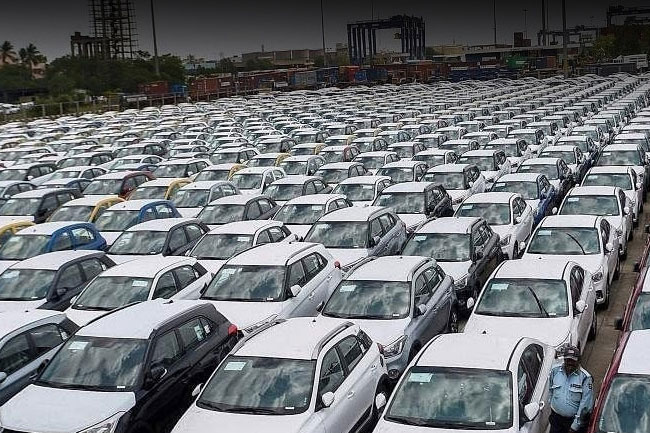
The Central Bank of Sri Lanka has indicated that vehicle prices could rise temporarily as a result of higher import surcharges and exchange-rate fluctuations, prompting the Vehicle Importers’ Association of Sri Lanka (VIASL) to call for relief measures.
The warning follows the Central Bank’s decision to cut maximum loan-to-value (LTV) ratios for vehicle financing from May 25 — the second tightening in six months. VIASL Vice President Arosha Rodrigo said the reduction in the LTV ratio would lower consumers’ purchasing power and affordability, which in turn would directly limit vehicle imports.
VIASL President Prasad Manage criticised the sudden revision of leasing regulations, noting that facilities previously available up to 50% had been reduced to 40%, making it difficult for importers to sell vehicles already brought into the country. He said policy changes of this nature should have included concessions for vehicles already imported, or for those whose import procedures had already commenced.
The association urged authorities to provide relief at least for vehicles already imported or for which Letters of Credit have already been opened — echoing the transitional carve-out the Central Bank applied to LCs opened before the new directive took effect.
The reaction adds to mounting pressure on the government’s vehicle-import policy. Sri Lanka imposed a 50% customs surcharge on imports in mid-May, and the surrounding LC activity has drawn scrutiny, with Peradeniya economist Prof Wasantha Athukorala flagging anomalous volumes. Together, the surcharge and the LTV cut tighten both the tax and the credit channels through which imports surged this quarter.
Source: Ada Derana.