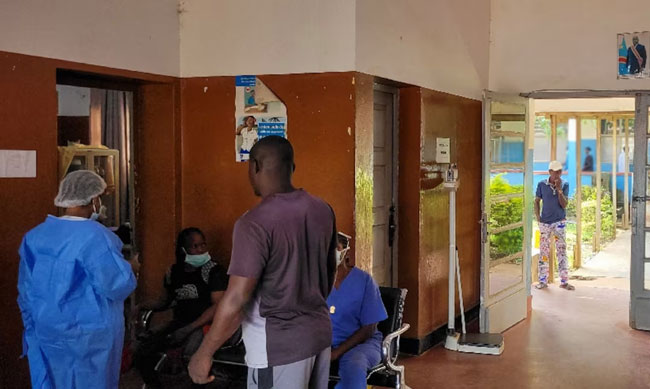
The World Health Organization has declared the Ebola outbreak in the Democratic Republic of Congo’s eastern Ituri province a public health emergency of international concern (PHEIC), the highest alert level under the agency’s International Health Regulations.
The outbreak, caused by the Bundibugyo strain of the Ebola virus, had recorded around 246 suspected cases and 80 deaths as of Saturday, the WHO said. The agency added that it does not yet meet the criteria of a pandemic emergency.
WHO Director-General Tedros Adhanom Ghebreyesus warned there are “significant uncertainties to the true number of infected persons and geographic spread.”
Eight laboratory-confirmed cases have been reported across three health zones — Bunia, the capital of Ituri province, and the gold-mining towns of Mongbwalu and Rwampara. The virus has spread beyond DR Congo, with two confirmed cases in neighbouring Uganda, where a 59-year-old man who died on Thursday tested positive.
There are no approved drugs or vaccines for the Bundibugyo strain, the WHO said. The agency advised confirmed cases be isolated and treated until two strain-specific tests, taken at least 48 hours apart, return negative results, and called on governments in bordering regions to enhance surveillance and reporting.
Countries bordering DR Congo are considered at high risk of further spread due to population mobility, trade and travel. The WHO advised against border closures or travel restrictions, saying such measures “have no basis in science.”
This is the 17th Ebola outbreak in DR Congo since the virus was first identified there in 1976, and the first PHEIC declaration for Ebola since the 2018–2020 outbreak in the country’s eastern provinces. The WHO has separately been engaged in Sri Lanka this month, with a WHO expert team reviewing the country’s health system reforms including the Arogya primary care programme.
Sources: BBC, Ada Derana