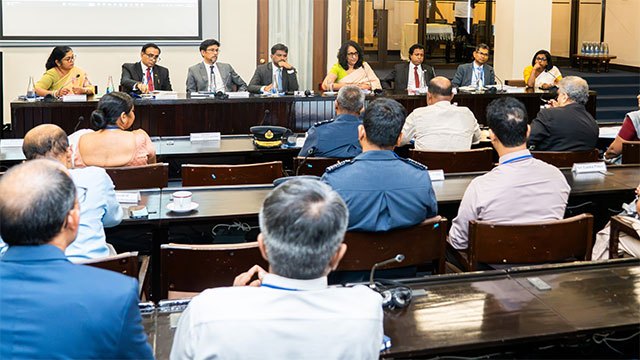
Sri Lanka is exploring a comprehensive national programme combining regulatory and educational measures to protect children from cyber threats, online violence and other harms to their wellbeing, Ada Derana reports.
A discussion on the initiative was held in Parliament on July 21 under Prime Minister Dr. Harini Amarasuriya, bringing together a multidisciplinary working group of the Digital Education Task Force. According to the Prime Minister’s Media Division, the talks focused on letting children benefit from digital participation while shielding them from online harms.
Participants weighed the difficulty of imposing age restrictions on children’s access to social media, an option being debated in several countries. It was noted that in the first country to introduce such a ban, a study found 85% of children continued using the platforms through other means. Officials also flagged unintended consequences, including lost learning opportunities, greater use of riskier platforms and privacy risks for all users.
Rather than a single measure, the group recommended a “smart mix” of tools to address harms such as grooming, exposure to damaging content, disrupted sleep, compulsive use and effects on mental wellbeing. These include stronger digital literacy for parents and children, greater accountability for online platforms, disabling addictive features and “safety-by-design” principles.
Draft school-level guidelines on online safety, cybersecurity and digital wellbeing were presented for students, educators and parents. Once finalised and approved, they will be rolled out to schools nationwide with accompanying training.
The Daily Mirror reported that the same July 21 sitting also reviewed the government’s wider education digitalisation drive, including smart boards, internet access and computers for schools. Minister of Digital Economic Affairs Eranga Weeraratne was among those present.