Why visit Sri Lanka?
Few destinations offer such an extraordinary variety of experiences within one island. Sri Lanka combines tropical beaches, wildlife-filled national parks, dramatic highland scenery, ancient archaeological sites and some of South Asia's most distinctive food.
The country is shaped by Sinhala, Tamil, Muslim, Burgher and other communities, each contributing to its food, languages, traditions and cultural heritage. Visitors can explore the capital Colombo, travel through tea country by train, discover the ruins of ancient kingdoms, experience village life and relax on the coast.
What makes Sri Lanka special?
The best way to experience Sri Lanka is to combine well-known highlights with places where everyday life continues beyond the tourist trail.
Best places to visit in Sri Lanka
 1
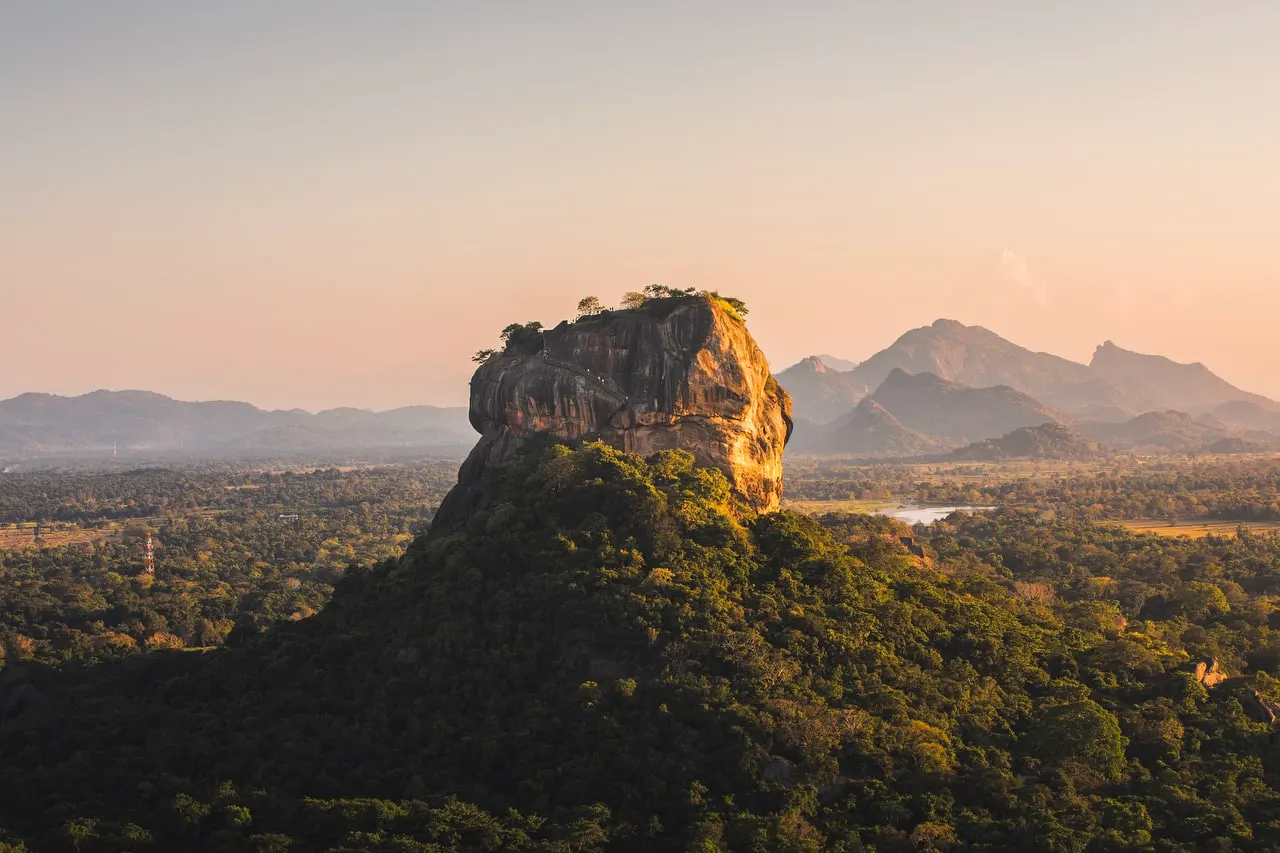
Sigiriya
Sri Lanka's legendary rock fortress
Sigiriya is one of Sri Lanka's most extraordinary historical landmarks. Rising dramatically above the surrounding plains, this ancient rock fortress is famous for its royal gardens, historic frescoes and remains of a palace complex.
The climb rewards visitors with expansive views over the Cultural Triangle. Sigiriya is a UNESCO World Heritage Site and one of the country's most popular attractions. Arriving early can make the experience more comfortable, particularly in hot weather.
Nearby Dambulla is also worth exploring for its historic cave temples and Buddhist artwork.
 2
Ella
Mountains, tea plantations and spectacular railway scenery
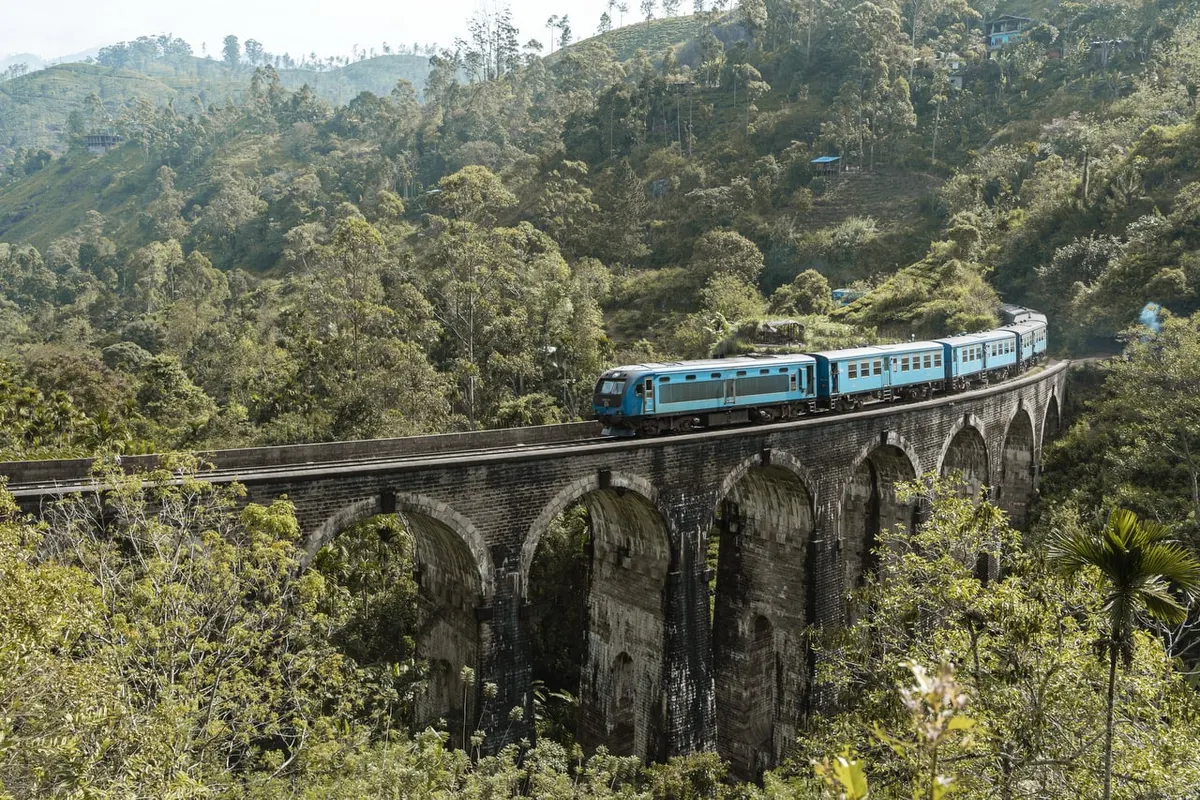
Ella is a small mountain town surrounded by green hills, waterfalls and tea-growing landscapes. The area is particularly famous for the Nine Arch Bridge, scenic walks to Little Adam's Peak and views across Ella Gap.
One of the most memorable ways to explore the highlands is by train. The railway through the central hills passes forested slopes, tea estates and small communities.
Ella is popular and can become crowded. Visitors who prefer a quieter experience can explore the surrounding villages, tea-country roads and lesser-known viewpoints.
 3
Kandy
Culture in Sri Lanka's hill country
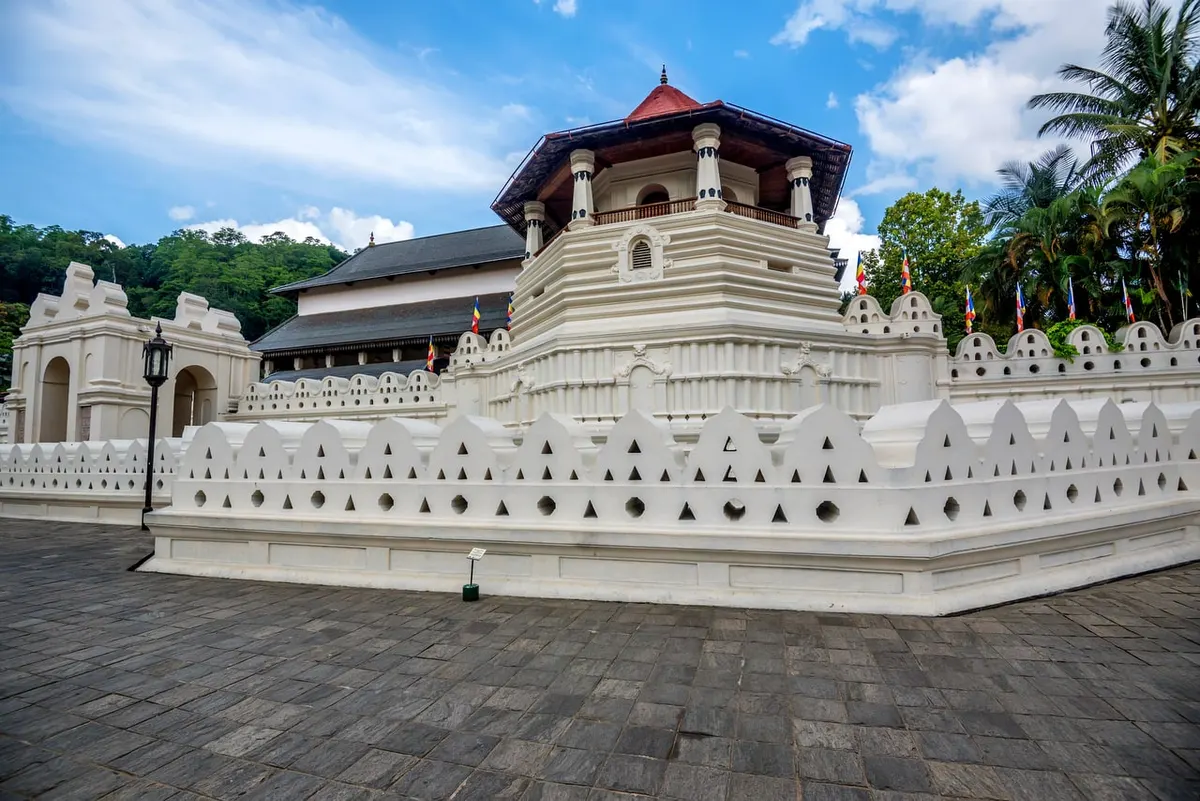
Kandy is one of Sri Lanka's most historically significant cities. Surrounded by hills, it is home to the Temple of the Sacred Tooth Relic, an important Buddhist pilgrimage site and part of the UNESCO-listed Sacred City of Kandy.
Kandy offers a mixture of busy commercial streets, historic architecture, local markets and traditional food. Beyond its major attractions, the surrounding region offers scenic drives, gardens, village communities and opportunities to discover everyday life in the central highlands.
 4
Nuwara Eliya
Tea estates and cooler mountain air
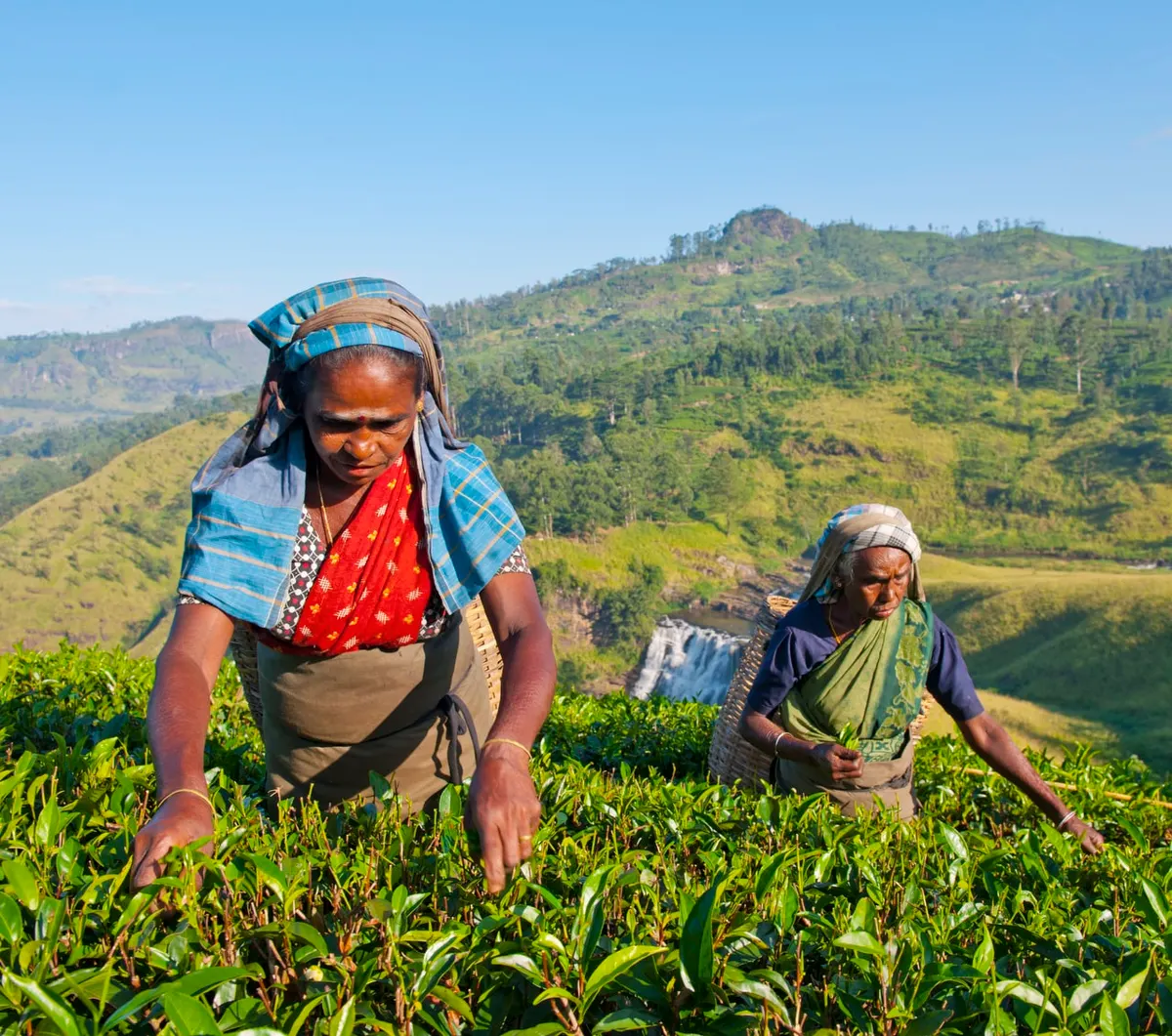
Nuwara Eliya is surrounded by tea plantations, rolling hills and cool mountain landscapes. The town's colonial-era architecture gives parts of it a distinctive appearance, while the surrounding countryside is defined by tea estates, vegetable farms and winding roads.
Visiting a working tea factory can provide insight into how Ceylon tea is grown, processed and prepared. Nearby viewpoints, waterfalls and hill-country walks make this region particularly rewarding for visitors interested in nature and photography.
 5
Galle
History by the Indian Ocean
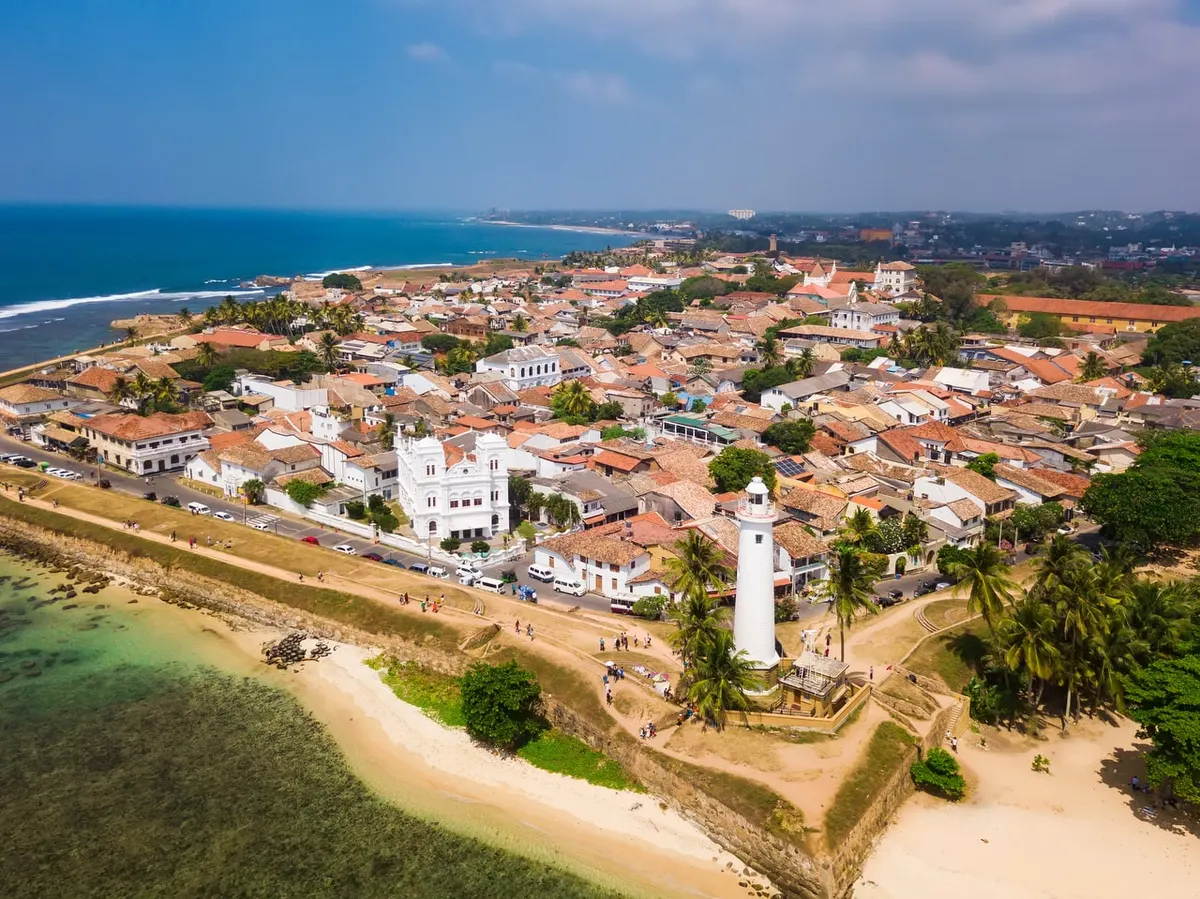
Galle is famous for its historic fortified old town, which reflects centuries of maritime trade and colonial influence. The UNESCO-listed Old Town of Galle and its Fortifications contains historic buildings, narrow lanes and views across the Indian Ocean.
Galle Fort is also one of southern Sri Lanka's busiest visitor attractions. For a fuller experience, explore the local markets and neighbourhoods outside the fort as well. The surrounding coast provides easy access to beaches, fishing communities and seafood restaurants.
 6
The southern coast
Beaches, surfing and fishing villages
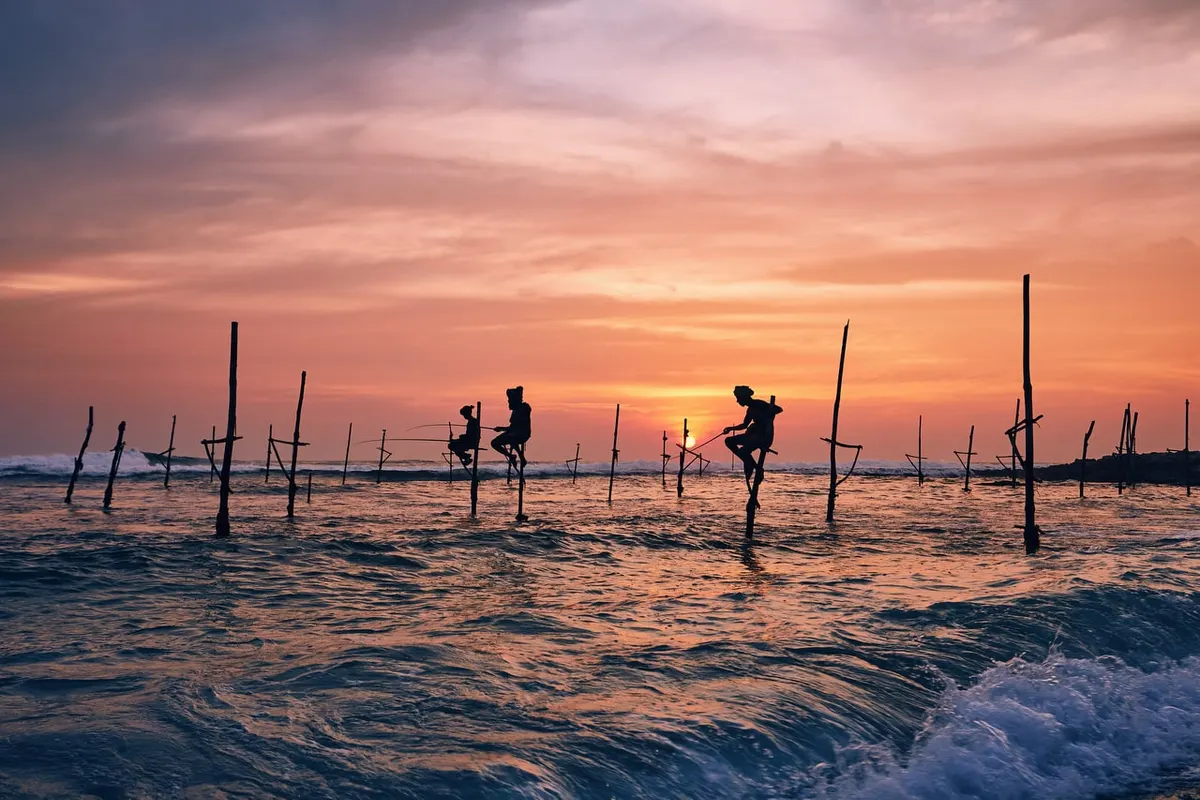
Sri Lanka's southern coast offers an appealing mix of sandy beaches, surfing communities, traditional fishing villages and small coastal towns. Mirissa, Unawatuna and Hiriketiya are well-known visitor destinations. Ahangama is popular for surfing, while stretches around Tangalle can feel quieter.
The region is also an excellent place to discover coastal cuisine, including fish curries, grilled seafood and coconut-based dishes. Choose beaches according to swimming conditions and the time of year, as currents and seasonal waves can be dangerous.
 7
Trincomalee and the east coast
Beautiful beaches and clear-water bays
Sri Lanka's east coast has its own character, with broad beaches, fishing communities and clear-water bays during favourable weather. Trincomalee is known for its natural harbour, cultural history and nearby beaches at Uppuveli and Nilaveli.
Further south, Pasikudah is known for its sheltered bay, while Arugam Bay is internationally recognised for surfing. The east coast is particularly attractive during months when the southwest coast experiences its wetter season.
 8
Anuradhapura and Polonnaruwa
Explore ancient kingdoms
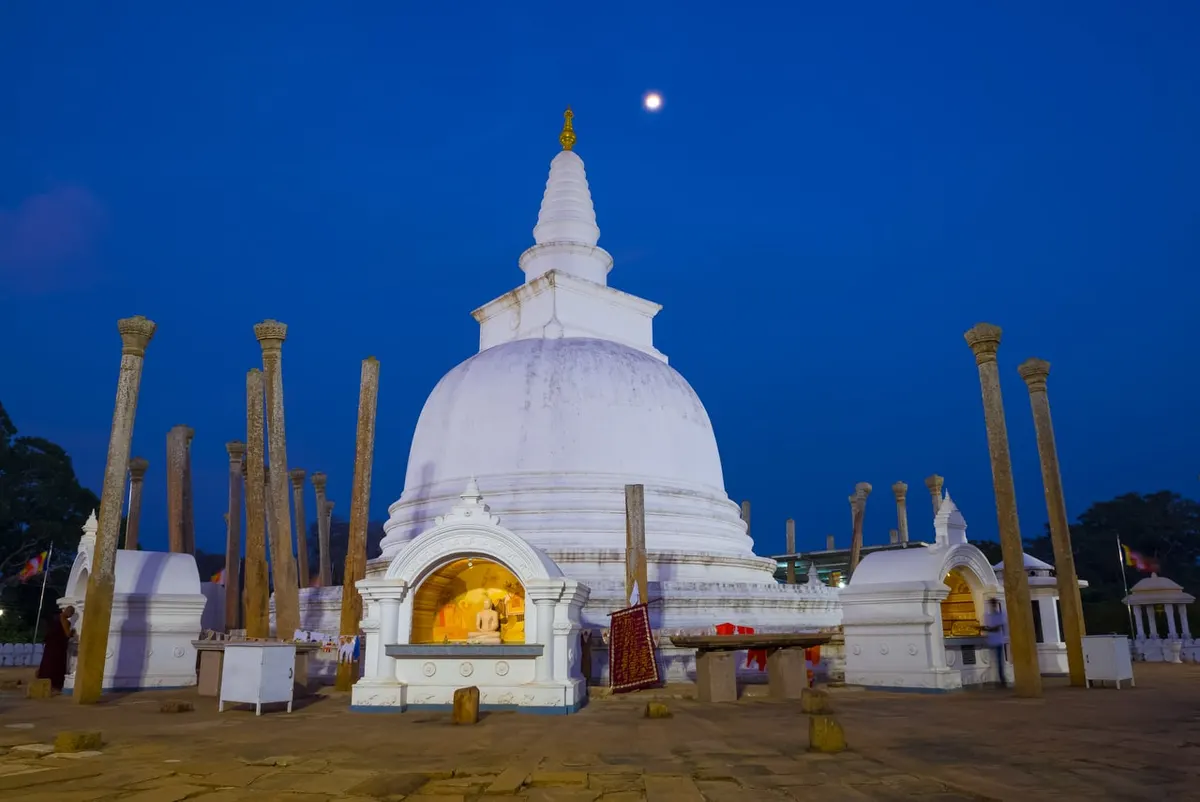
Sri Lanka has a remarkable archaeological heritage, and its ancient royal capitals provide some of the most memorable historical experiences on the island. Anuradhapura is known for its sacred Buddhist monuments, ancient reservoirs and vast archaeological landscape.
Polonnaruwa offers the remains of palaces, religious buildings, monumental sculptures and sophisticated historical infrastructure. Both cities are UNESCO World Heritage Sites, and are particularly rewarding for visitors who want to understand Sri Lanka's history beyond its modern coastal resorts.
 9
Colombo
The energy of modern Sri Lanka
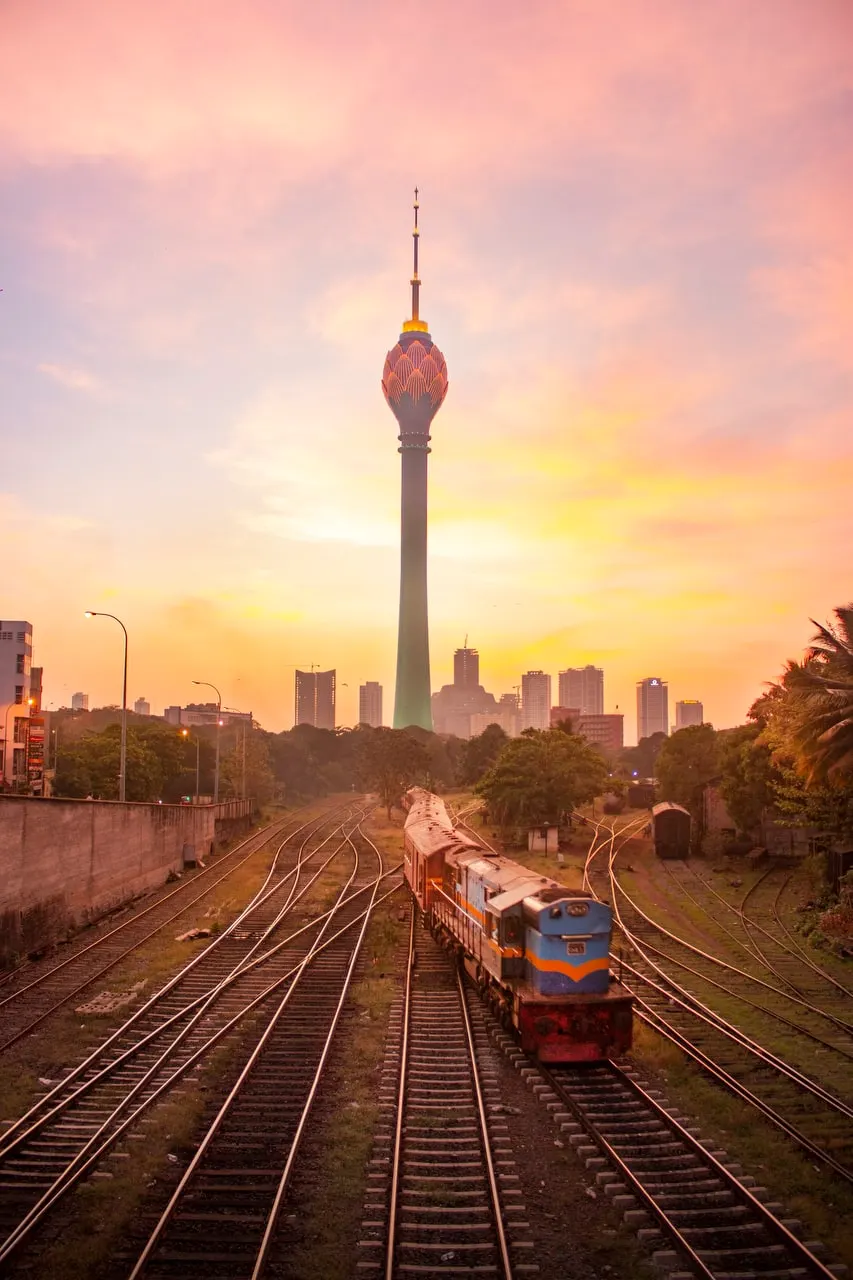
Colombo is Sri Lanka's largest city and an energetic introduction to contemporary island life. Modern shopping centres, historic buildings, commercial districts, street markets and food stalls exist alongside each other.
Explore Pettah's bustling trading streets, visit local markets and sample the city's diverse food. Colombo is also a good destination for discovering how Sri Lankan traditions and modern lifestyles meet, from neighbourhood eateries to new commercial developments.
 10
Jaffna
The culture and flavours of northern Sri Lanka
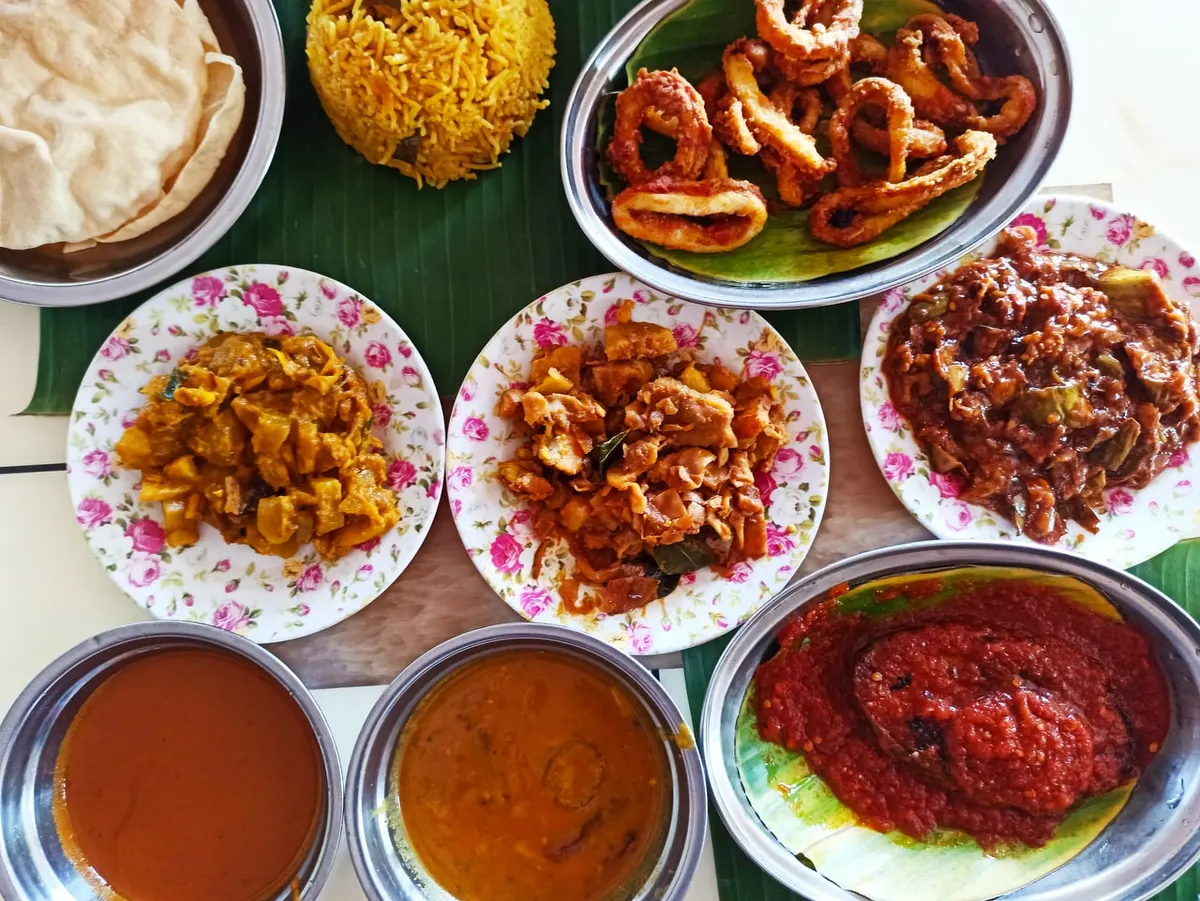
Jaffna offers a different perspective on Sri Lankan culture, shaped by the traditions and history of the island's north. The region is known for its Tamil cultural heritage, markets, historic sites and distinctive food.
Local cuisine includes flavourful seafood, rich curries, palmyrah-based products and dishes that can differ significantly from those commonly found in the south. Visitors can explore Jaffna town, nearby islands and surrounding communities.
 11
Sri Lanka's national parks
Wildlife in natural habitats
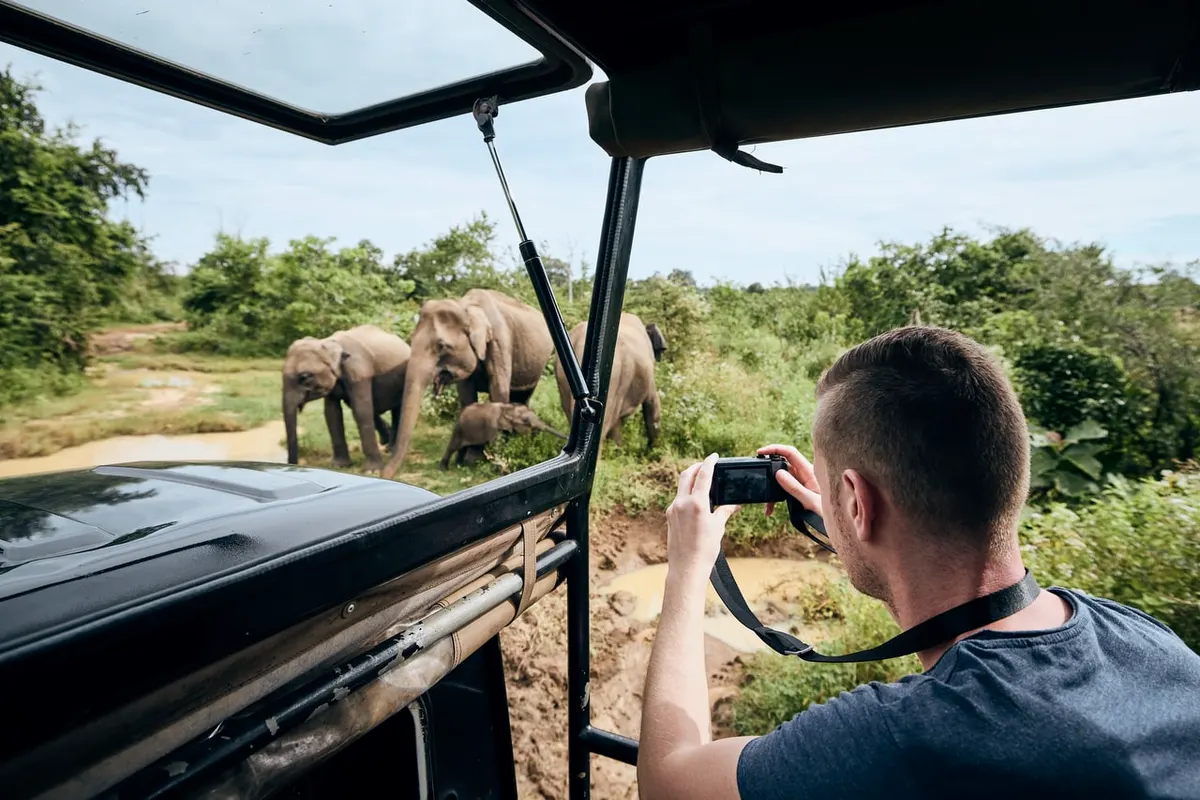
Sri Lanka is one of Asia's most rewarding destinations for wildlife enthusiasts. Yala, Wilpattu and Udawalawe are among its best-known national parks, with opportunities to observe wild animals in protected natural habitats.
Wildlife sightings are never guaranteed, but a carefully planned safari can be an unforgettable experience. Choose responsible operators who maintain safe distances from animals and follow park regulations.
 12
Sinharaja and Sri Lanka's rainforests
Biodiversity in the wet zone
Sri Lanka's natural landscapes extend far beyond the beaches and tea plantations. Sinharaja Forest Reserve is a UNESCO World Heritage Site known for its exceptional biodiversity and tropical rainforest environment.
Guided nature walks can introduce visitors to endemic birds, insects, plants and the intricate ecosystems of the island's wet zone. For travellers interested in biodiversity, conservation and walking through dense tropical forests, this is a very different experience from a traditional safari.
Sri Lankan food: what to eat in Sri Lanka
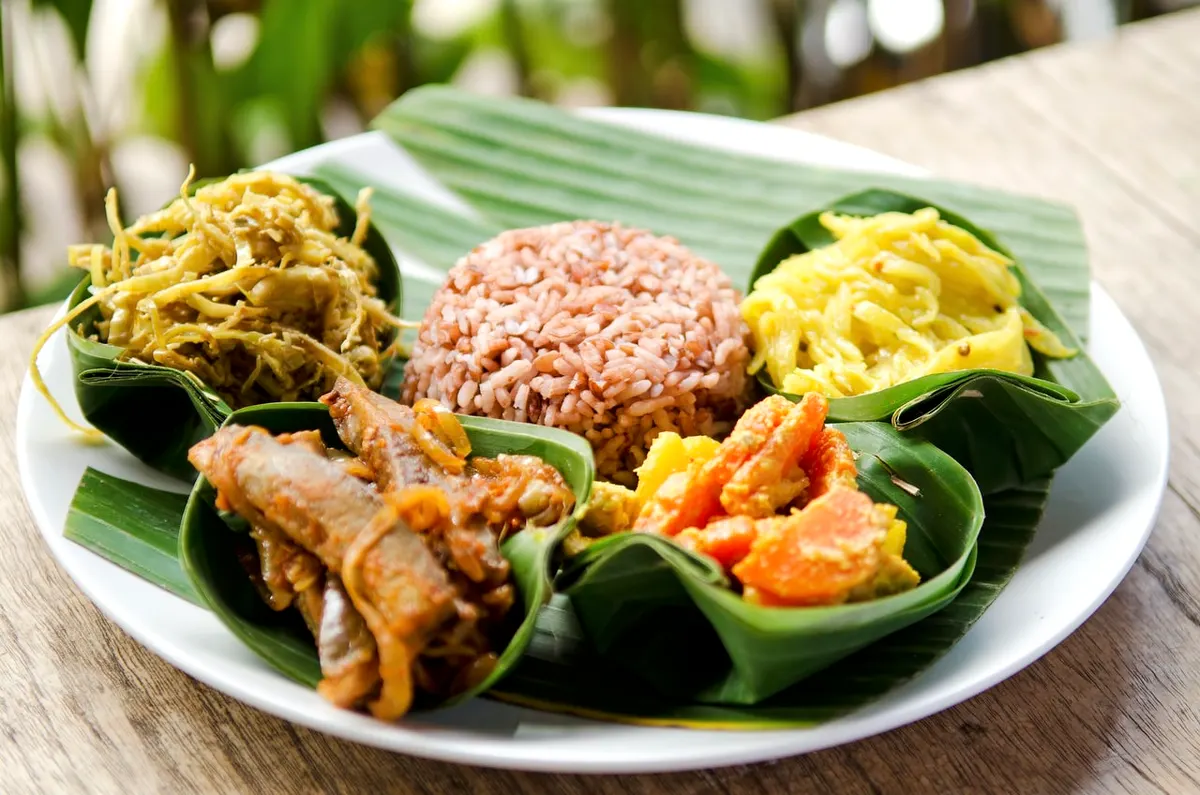
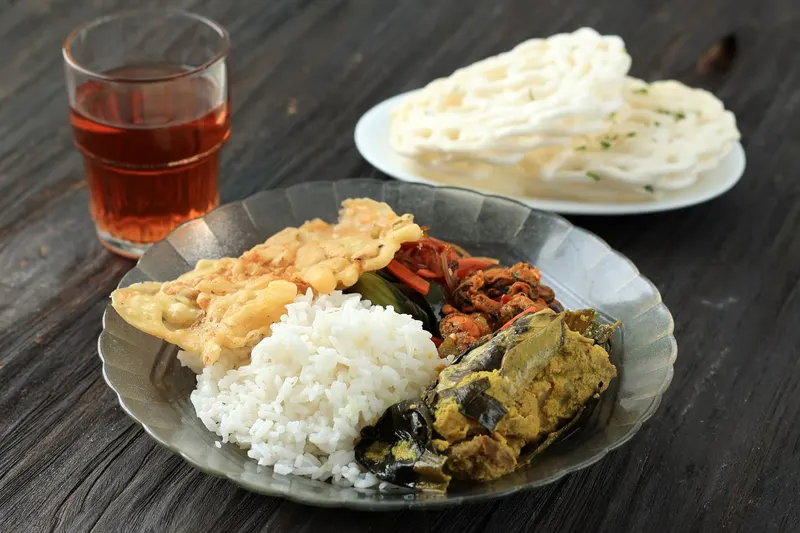
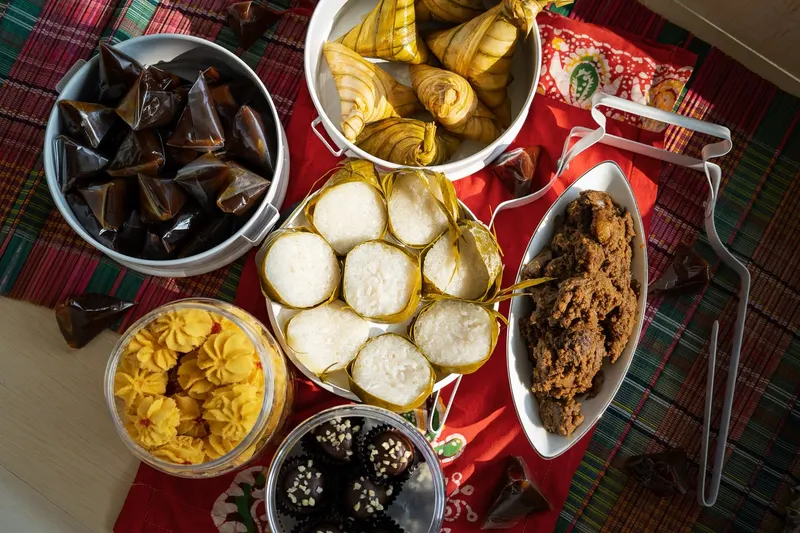
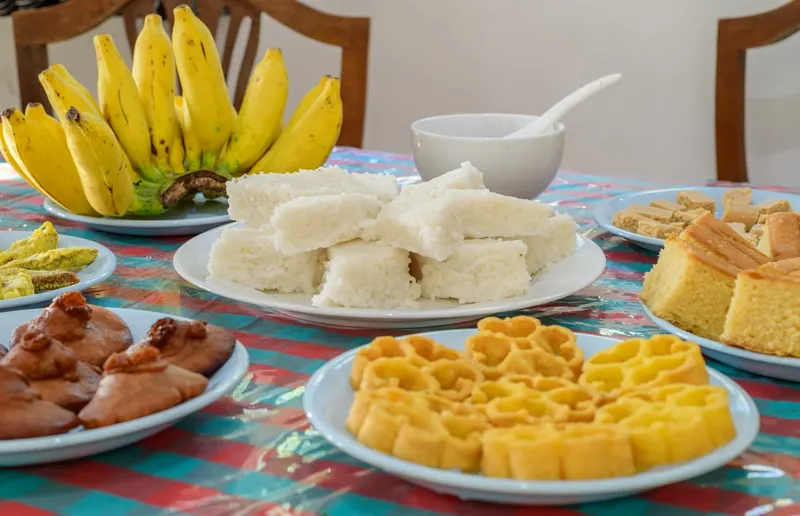
Food is one of the greatest reasons to visit Sri Lanka. Sri Lankan cooking brings together fragrant spices, coconut, rice, lentils, fresh vegetables, seafood and regional traditions.
Meals can be rich and aromatic, fiery and tangy, or surprisingly mild. Different communities and regions have developed their own specialities. Some of the most memorable food experiences happen at small neighbourhood restaurants, market stalls and family-run kitchens rather than expensive hotels.
12 Sri Lankan foods you should try
- Rice and currySri Lanka's everyday classic. A plate of rice is served with a selection of vegetable, lentil, fish or meat curries, often accompanied by sambol, pickles and papadum.
- Hoppers (appa)Bowl-shaped pancakes made using fermented batter, typically containing rice flour and coconut milk. Egg hoppers have an egg cooked in the centre and are especially popular for breakfast and dinner.
- Kottu rotiA distinctive street food made by chopping flatbread together with vegetables, spices and often egg, chicken or other ingredients. The rhythmic sound of metal blades striking the griddle is part of the experience.
- String hoppers (indi appa)Delicate nests of steamed rice-flour noodles, typically eaten with curry, coconut milk gravy or sambol.
- Pol rotiA traditional coconut flatbread made with grated coconut and flour. It is often served with spicy accompaniments or curry.
- Pol sambolA popular condiment made with grated coconut, chilli, onion, lime and other seasonings. It adds a fresh, spicy flavour to many meals.
- Dhal curry (parippu)A comforting lentil curry usually cooked with spices and often coconut milk. It is a staple of Sri Lankan home cooking.
- LampraisA rich rice dish associated with Sri Lanka's Burgher culinary heritage, traditionally prepared with accompaniments and baked in a banana leaf.
- Jaffna-style crab curryA northern Sri Lankan speciality known for its bold spice mixtures and rich seafood flavour.
- Isso vadeA savoury fried snack, commonly made with lentils and prawns, particularly associated with Sri Lankan street food.
- KiribathRice cooked in coconut milk and traditionally served in cut pieces. It is associated with celebrations, auspicious occasions and family meals.
- WatalappanA rich custard dessert made with coconut milk, jaggery, eggs and warming spices, associated especially with Sri Lanka's Muslim culinary traditions.
Sri Lankan cuisine offers excellent options for people who prefer plant-based food. Dhal curry, vegetable curries, jackfruit dishes, coconut sambol and many rice-based meals can be suitable. However, some dishes contain dried fish, shrimp paste, dairy or other animal ingredients that are not immediately obvious. Ask about ingredients rather than assuming a vegetable dish is completely vegan.
Look beyond international hotel restaurants. Small local rice-and-curry shops, neighbourhood bakeries and market stalls often offer a broader introduction to everyday cooking. Colombo is ideal for urban food exploration, Jaffna for northern Tamil cuisine, and coastal towns for regional seafood. Leave time to visit a local market, discover traditional sweets and try freshly prepared hoppers or kottu.
Beaches in Sri Lanka: which coast should you visit?
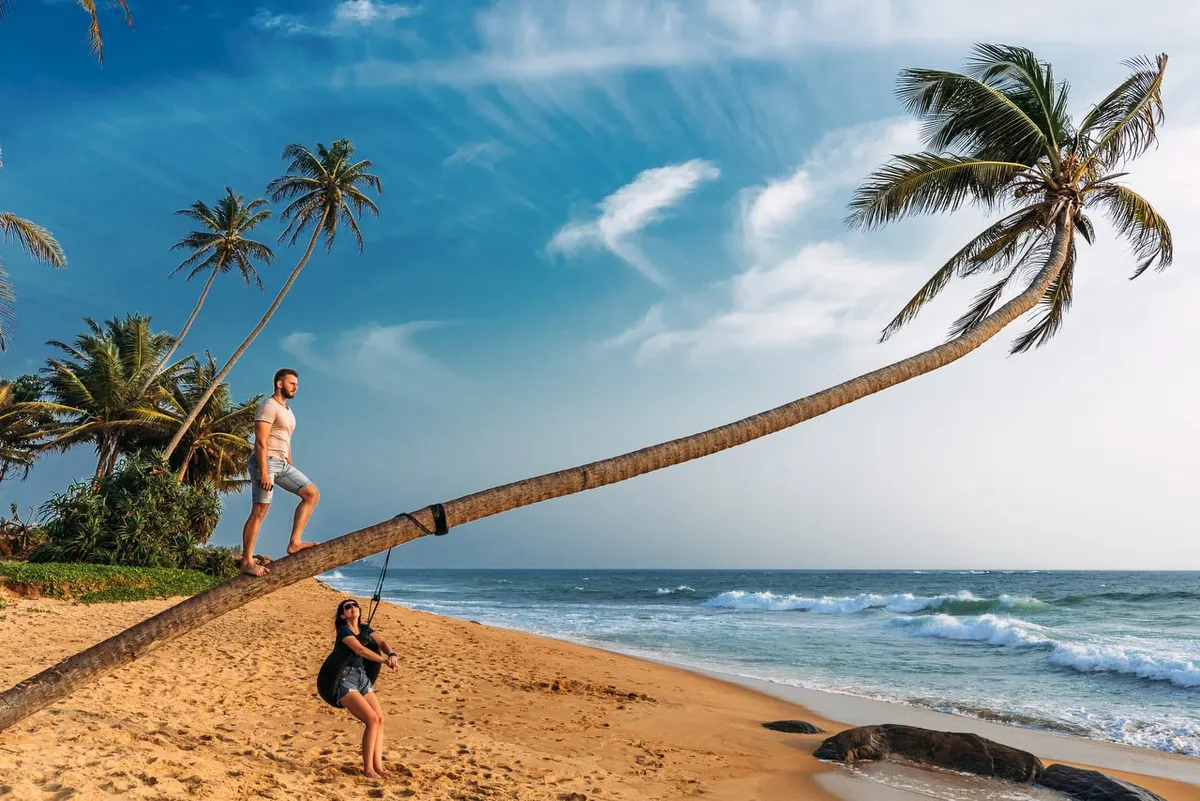
Sri Lanka has a long coastline with beaches suited to different types of travel. Some destinations have lively restaurants, surf schools and resorts, while others are associated with fishing communities, quieter beaches and natural scenery.
South and southwest coast
Mirissa, Weligama, Ahangama, Hiriketiya, Tangalle and Unawatuna. Particularly popular during the generally drier months from December to March or April.
Weligama is known for surfing lessons, while Ahangama attracts more experienced surfers at suitable breaks. Tangalle offers longer stretches of coastline and a quieter atmosphere in some areas.
East coast
Trincomalee, Nilaveli, Uppuveli, Pasikudah and Arugam Bay are important east-coast destinations.
Conditions are generally more favourable during much of the period from May to September, although weather varies.
West and northwest coast
Negombo is convenient for short stays near the international airport, while Kalpitiya is known for its lagoon environment, coastal scenery and water sports.
Not every beautiful Sri Lankan beach is safe for swimming. Check local conditions, currents and seasonal surf before entering the water. More on beach safety.
Wildlife in Sri Lanka: elephants, leopards and more
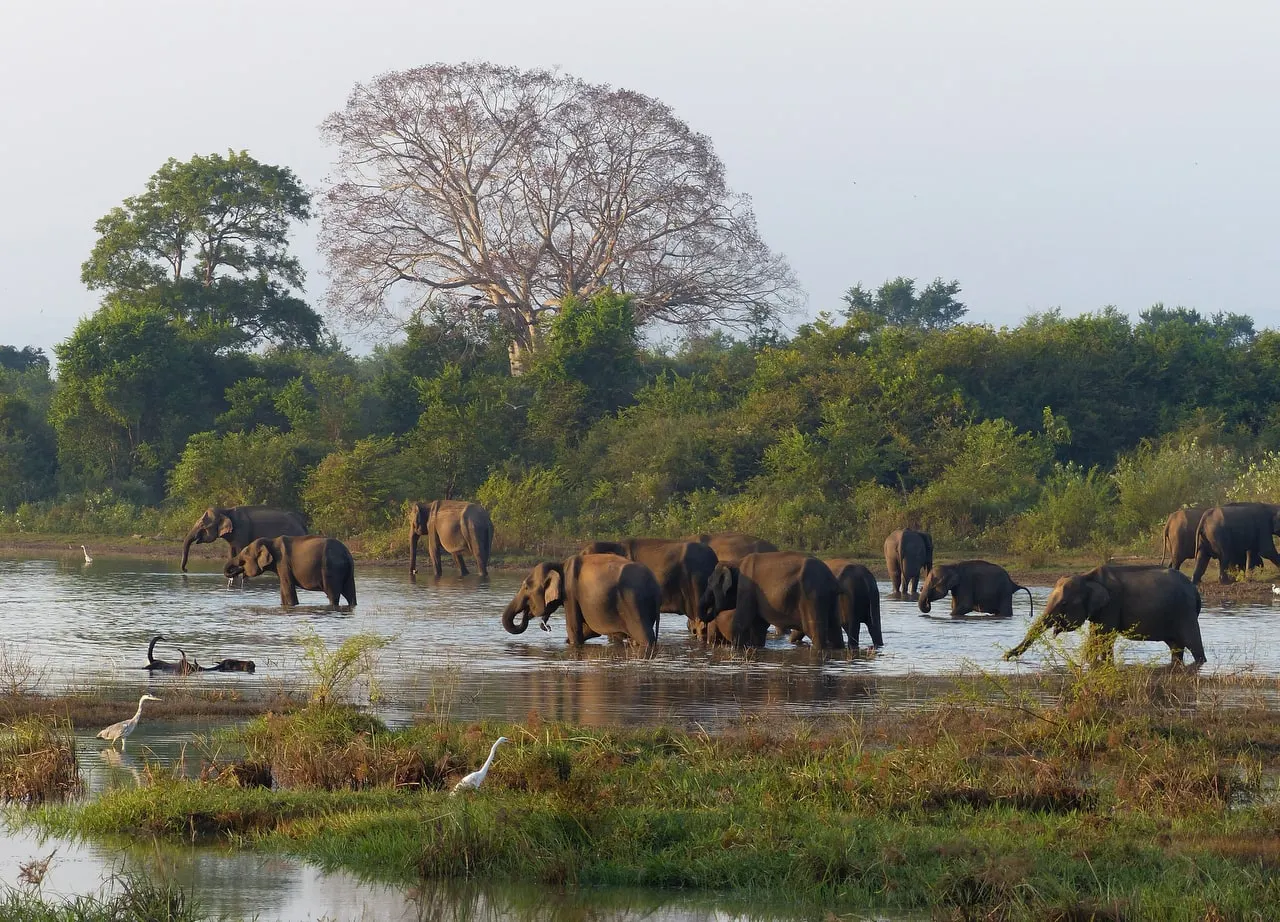
Sri Lanka supports a remarkable variety of wildlife, from large mammals to colourful birdlife and marine species.
Where to see elephants
Udawalawe National Park is well known for wild elephants. Minneriya and nearby protected landscapes can also provide elephant-viewing opportunities, although seasonal movements vary depending on rainfall and water availability.
Where to see leopards
Yala National Park is particularly famous for leopard sightings, although the park can be busy with safari vehicles. Wilpattu National Park provides another option, with extensive forest, scrub and natural lakes.
Birdwatching and rainforest wildlife
Sri Lanka's wetlands, forests and highland habitats provide opportunities to observe endemic and migratory bird species. Sinharaja is an important destination for rainforest biodiversity.
Whale and dolphin watching
Marine wildlife excursions operate from coastal areas during suitable seasons. Choose operators who follow responsible whale-watching practices, avoid chasing animals and respect safe approach distances.
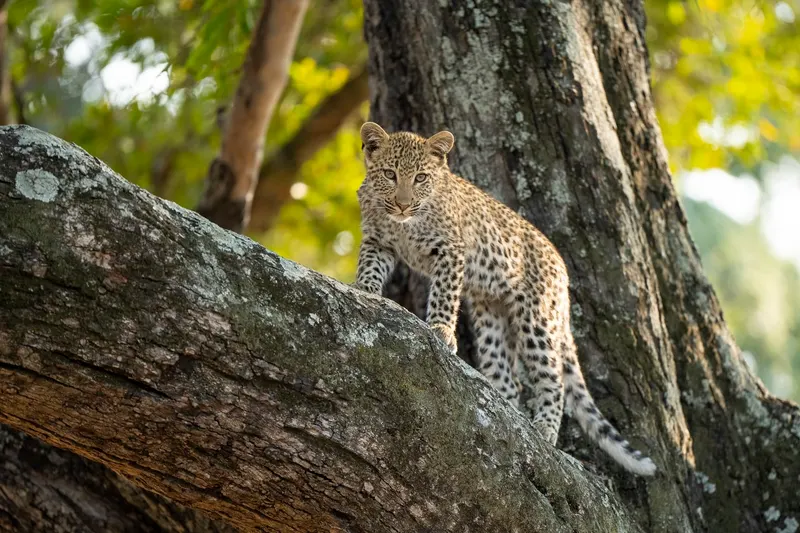
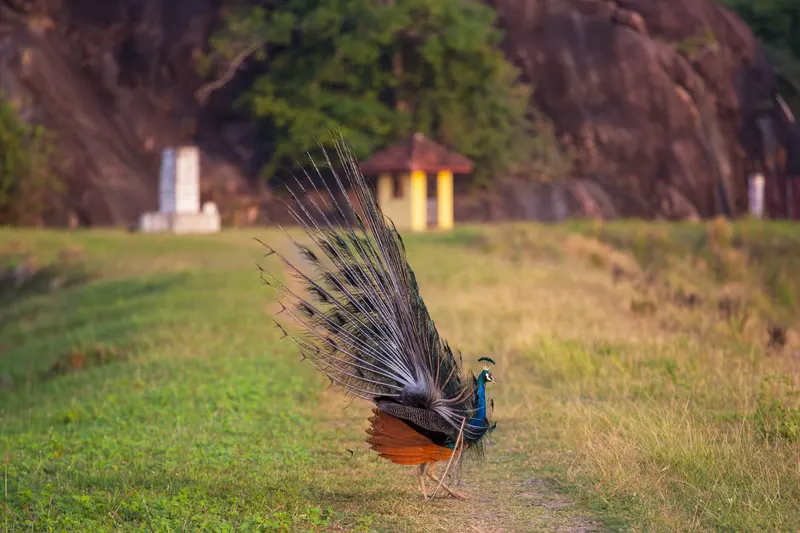
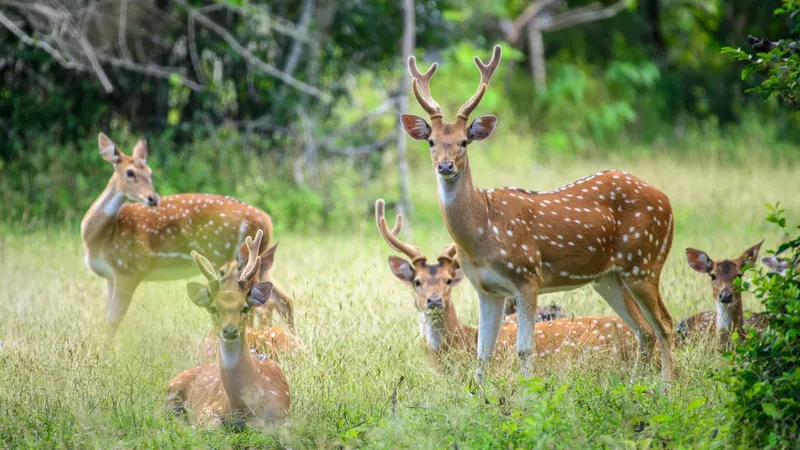
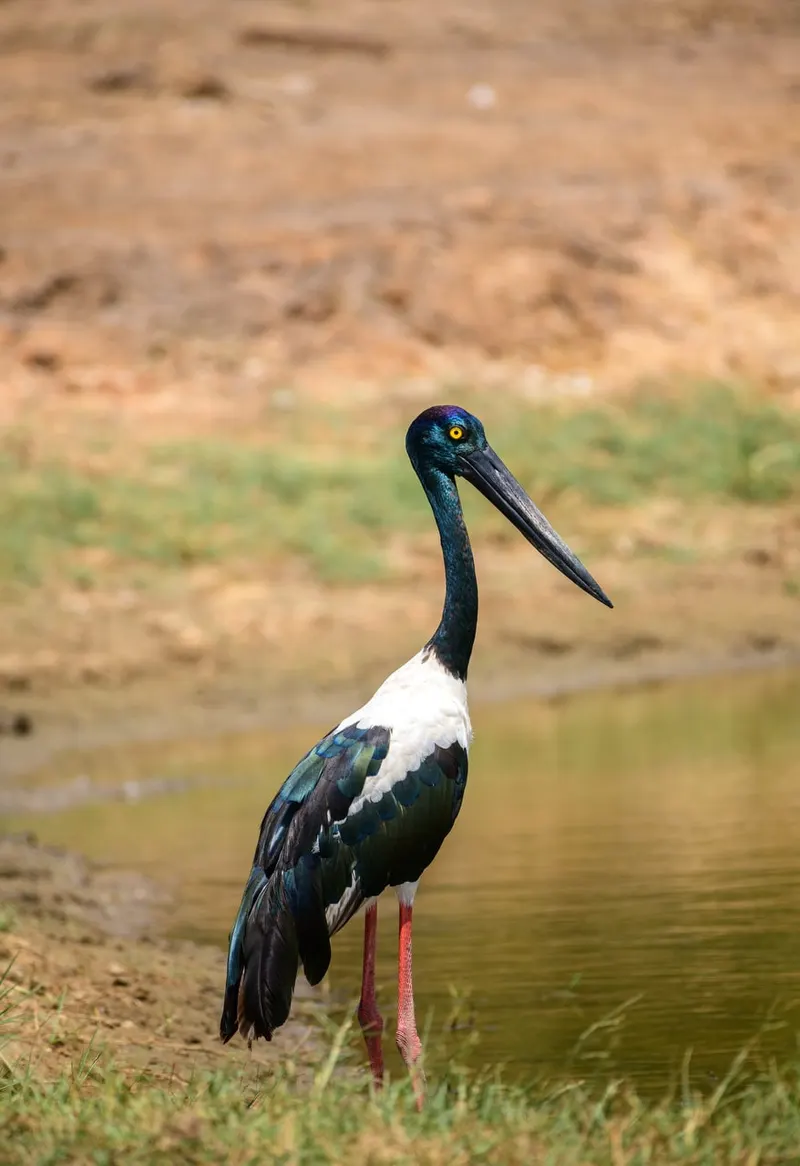
Avoid elephant rides, animal performances and attractions that allow inappropriate handling of wild animals. Wildlife is best appreciated in its natural habitat. For official national park information, consult the Department of Wildlife Conservation.
Sri Lankan culture, traditions and everyday life
Sri Lanka's cultural identity reflects a long history of kingdoms, maritime trading, migration and religious traditions. Buddhist, Hindu, Muslim and Christian communities contribute to the country's cultural landscape.
Sinhala and Tamil are official languages, and English is widely used in many tourism-related settings. Visitors will encounter varied regional traditions in food, architecture, celebrations, music and daily life.
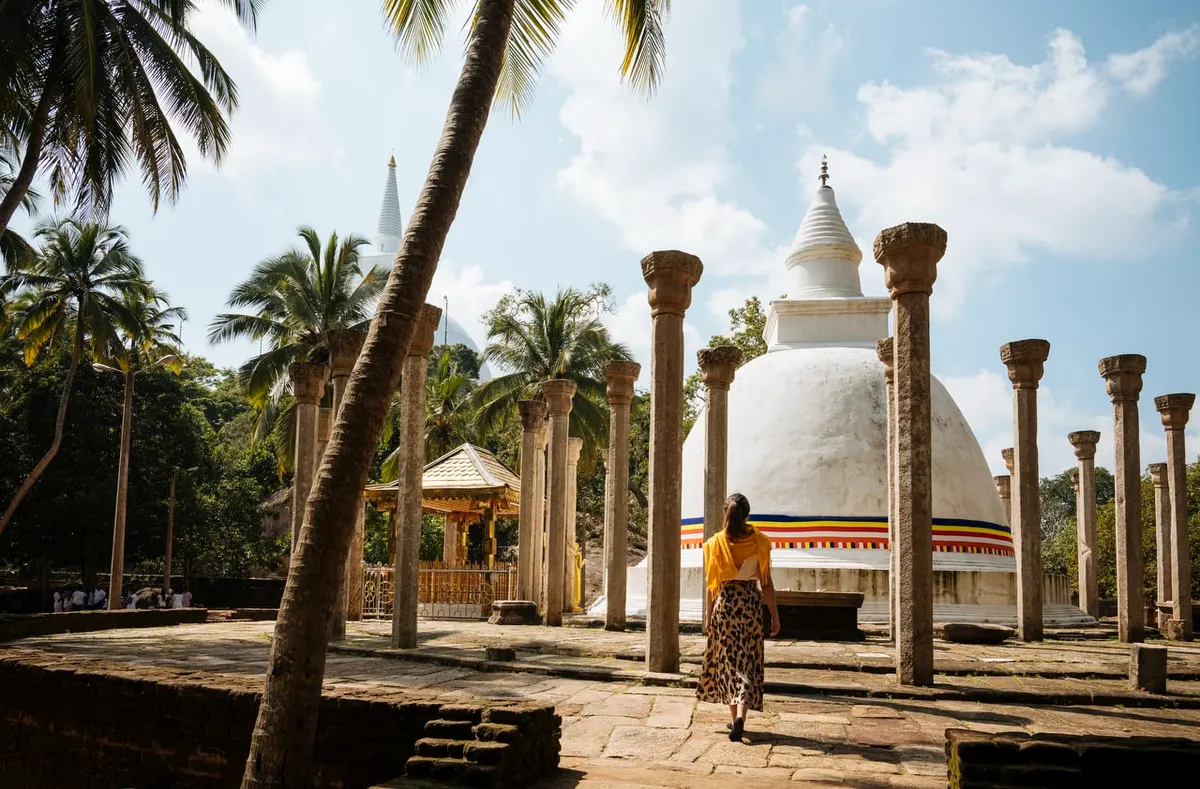
Experience the country beyond famous landmarks
Spend time exploring neighbourhood markets, independent food shops, village communities and small tea stalls. Discover regional crafts and learn about traditional cooking methods. Explore working fishing harbours, agricultural areas and community businesses. These experiences often provide a more meaningful understanding of Sri Lanka than visiting only famous attractions.
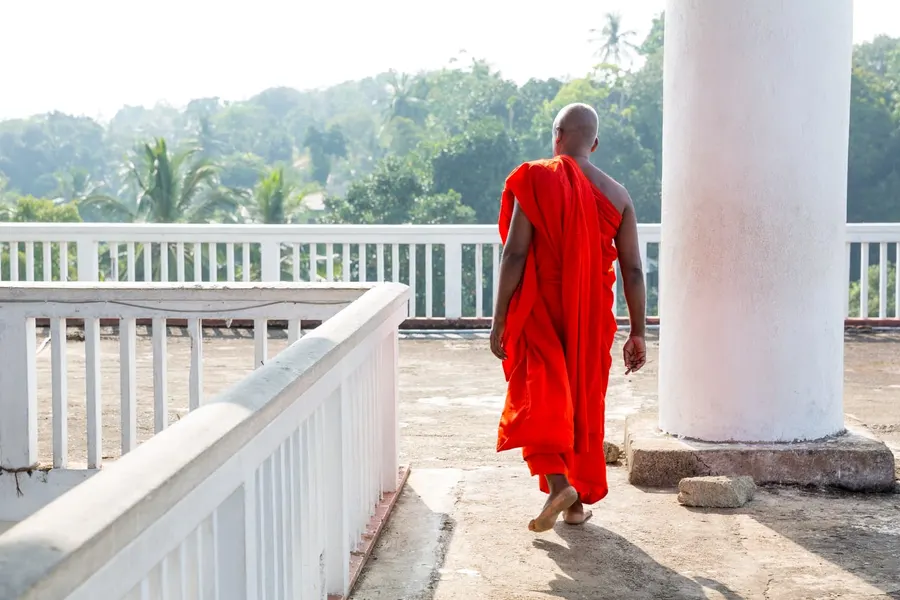
Visiting religious sites
Dress respectfully when entering temples and other places of worship. Many sites require visitors to remove shoes and cover shoulders and knees.
Follow local photography rules and avoid posing in ways considered disrespectful around religious images. For visitor information about Kandy's sacred landmark, see the official Sri Dalada Maligawa website.
Best time to visit Sri Lanka
Sri Lanka can be visited throughout the year, but the best destinations depend on the season. Because the island is affected by different monsoon systems, weather conditions can vary significantly between regions.
Mountain areas can be considerably cooler than coastal regions, and rain is possible at any time of year. Rather than choosing one supposed perfect month for the entire country, plan your route around the regions you most want to visit. Always check current weather forecasts and official warnings before travelling.
Sri Lanka itineraries: how long should you stay?
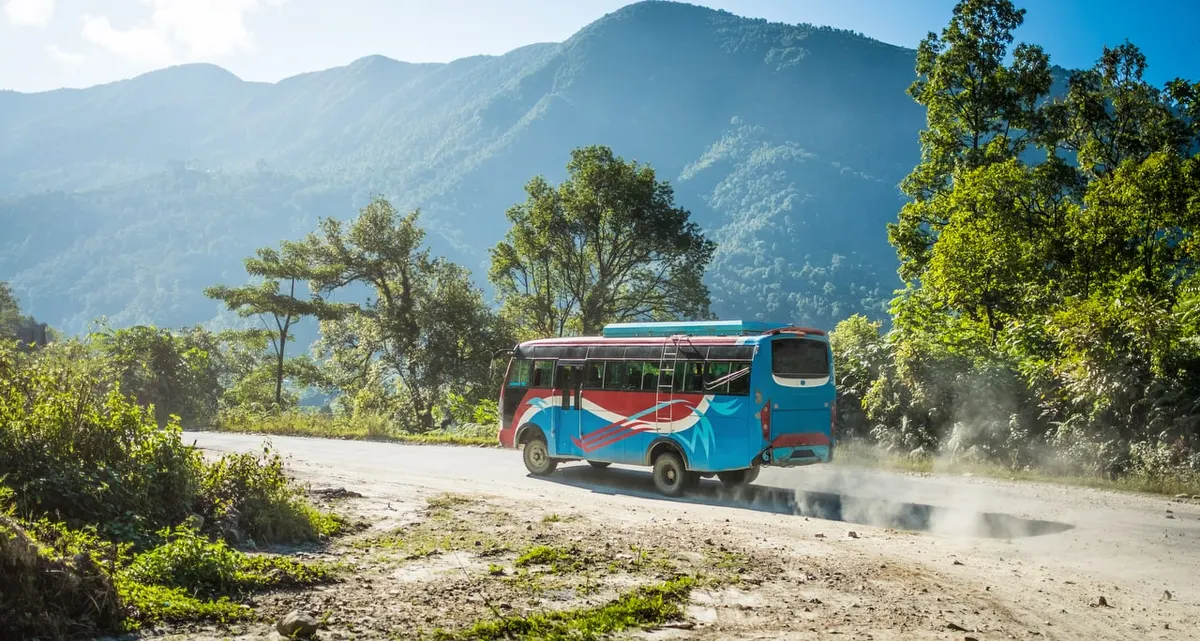
A focused introduction
A week is enough to enjoy a focused introduction, but trying to see the entire island in seven days can mean spending too much time travelling. One possible itinerary:
- Day 1: Arrive and explore Colombo.
- Days 2–3: Sigiriya and the Cultural Triangle.
- Day 4: Explore Kandy.
- Days 5–6: Ella and the highlands.
- Day 7: Return towards the airport.
An alternative is to concentrate on Colombo, the southern coast and a national park.
Culture, mountains and beaches
Ten days allows time for a combination of culture, mountains and beaches.
A possible itinerary includes Colombo, Sigiriya, Kandy, Ella and the southern coast.
Allow sufficient time for travel between destinations and choose accommodation that reduces unnecessary transfers.
A more relaxed pace
Two weeks makes it easier to explore at a more relaxed pace.
You could combine the Cultural Triangle, Kandy, tea country, Ella, a national park and several days at the coast.
Alternatively, use a longer stay to discover northern Sri Lanka, Jaffna or the east coast.
Distances on a map can be misleading. Road journeys can take longer than expected, so avoid building an itinerary around too many one-night stops.
Practical Sri Lanka travel information
Do you need a visa for Sri Lanka?
Visa requirements depend on nationality, passport type and purpose of travel. Sri Lanka operates an Electronic Travel Authorization (ETA) system for eligible visitors. Some nationalities qualify for fee exemptions, but current eligibility and application requirements must be checked before departure.
Apply using the official Sri Lanka ETA website. Avoid unofficial lookalike visa websites, which may charge unnecessary fees or provide misleading information. For more detailed guidance, consult the Department of Immigration and Emigration.
Getting to Sri Lanka
Bandaranaike International Airport near Colombo is the country's principal international gateway. The national carrier, SriLankan Airlines, operates international services.
Check airport locations, onward travel arrangements and entry requirements before booking.
Getting around Sri Lanka
Transport options include trains, buses, taxis, private drivers and tuk-tuks. Rail travel can be a memorable way to experience the hill country. Reserved train seats can be booked through the official Sri Lanka Railways reservation portal.
For longer journeys, consider the total travel time rather than distance alone. When using taxis or tuk-tuks, confirm the fare or use an appropriate booking service.
Money and payments
Sri Lanka uses the Sri Lankan rupee (LKR). Cash remains useful for small shops, market stalls, transport and local restaurants. Card acceptance varies.
For official exchange rate information, consult the Central Bank of Sri Lanka. The rate offered by a bank or currency exchange service may differ.
Health and everyday travel
Carry drinking water, use appropriate sun protection and take sensible precautions when eating or travelling in hot weather. Consider travel insurance that covers medical treatment and your planned activities.
Keep digital copies of important travel documents and check your government's latest travel advice before departure. See also: Is Sri Lanka safe to visit?
Accommodation and tourism services
Sri Lanka offers international hotels, guesthouses, homestays, villas and independent accommodation.
For information about registered tourism businesses and the industry, visit the Sri Lanka Tourism Development Authority.
Emergency contacts
For more numbers and safety advice, see emergency numbers in Sri Lanka. For official emergency and weather information, use the resources listed below.
Official Sri Lanka tourism and travel resources
Planning a trip is easier when reliable information is available in one place. The following links connect to official Sri Lankan government, tourism, transport or institutional websites.
Official tourism organisations
- Sri Lanka Tourism The official tourism promotion website, providing destination information, attractions, travel inspiration and planning resources. srilanka.travel
- Sri Lanka Tourism Development Authority Information about the country's tourism industry, registered operators, tourism development, regulations and visitor services. sltda.gov.lk
- Ministry of Foreign Affairs, Foreign Employment and Tourism Official information about Sri Lankan foreign affairs, diplomatic missions and government tourism responsibilities. mfa.gov.lk
Visas and entry requirements
- Electronic Travel Authorization (ETA) The official online platform for Sri Lankan electronic travel authorisation applications. eta.gov.lk
- Visa information from Sri Lanka Tourism Tourism guidance about visas and entry requirements. srilanka.travel
- Department of Immigration and Emigration Official immigration rules, visa services, extensions and related information. immigration.gov.lk
- Sri Lanka Customs Information about customs rules, allowances, restricted goods and travel declarations. customs.gov.lk
Flights and rail transport
- SriLankan Airlines Sri Lanka's national airline, offering flight and travel information. srilankan.com
- Sri Lanka Railways seat reservations Official online seat reservations for eligible train journeys. seatreservation.railway.gov.lk
Wildlife and cultural heritage
- Department of Wildlife Conservation National parks, wildlife conservation, protected areas and visitor information. dwc.gov.lk
- Sri Dalada Maligawa: Temple of the Sacred Tooth Relic Official visitor information about Kandy's important cultural and religious landmark. sridaladamaligawa.lk
Safety, weather, money and government information
- Sri Lanka Police Official police information and public contact resources. police.lk
- Disaster Management Centre National disaster warnings and information about potential flooding, landslides and severe weather. dmc.gov.lk
- Central Bank of Sri Lanka: Exchange Rates Official financial information and exchange rate indicators. cbsl.gov.lk
- Government of Sri Lanka Portal The central government portal, providing access to ministries, departments and public services. gov.lk
Frequently asked questions about visiting Sri Lanka
Is Sri Lanka worth visiting?
Yes. Sri Lanka offers an unusual combination of cultural heritage, tropical landscapes, wildlife, beaches and distinctive cuisine. It is particularly appealing to travellers who want several different experiences within one holiday.
What is Sri Lanka most famous for?
Sri Lanka is known for Ceylon tea, the Sigiriya rock fortress, ancient cities, scenic railway journeys, tropical beaches, national parks, elephants and its rich culinary traditions.
How many days do you need in Sri Lanka?
Seven days can provide an introduction to a few regions, but 10 to 14 days offers more time to combine historical sites, highland scenery, wildlife and beaches.
When is the best month to visit Sri Lanka?
There is no single best month for every region. December to March is often favourable for the southwest coast, while May to September can be better for many east-coast destinations. Regional weather conditions should guide your plans.
Is Sri Lanka expensive for tourists?
Sri Lanka offers accommodation, food and transport across a wide range of budgets. Local restaurants and public transport can help keep costs down, while private tours, luxury resorts and some major attractions can significantly increase spending.
What food should you try in Sri Lanka?
Start with rice and curry, hoppers, string hoppers, kottu roti, dhal curry, pol sambol and pol roti. Also try regional seafood specialities and traditional desserts such as watalappan.
Can vegetarians and vegans eat easily in Sri Lanka?
Sri Lankan cuisine has many plant-based dishes, including lentil curries, vegetable curries and coconut-based foods. Always confirm ingredients, as fish or other animal products may be used in otherwise vegetable-based preparations.
Is Sri Lanka safe to visit?
Many visitors travel around Sri Lanka without serious problems, but conditions vary by location and circumstances. Check current government travel advice, monitor local weather warnings, take normal personal safety precautions and use reputable transport and accommodation providers. Read our full guide: Is Sri Lanka safe to visit?
Do I need to book Sri Lankan trains in advance?
Booking in advance is advisable for popular reserved-seat journeys when reservations are available. Check official schedules and seat availability through Sri Lanka Railways, as train services and booking arrangements can change.
Can you see wild elephants and leopards in Sri Lanka?
Sri Lanka has wild elephant and leopard populations, and several national parks provide opportunities to observe wildlife. Sightings depend on nature, weather, season and location, and are never guaranteed.
Information reviewed 19 November 2026. Entry requirements, transport services, park rules and prices can change: check the official sources above before you travel.