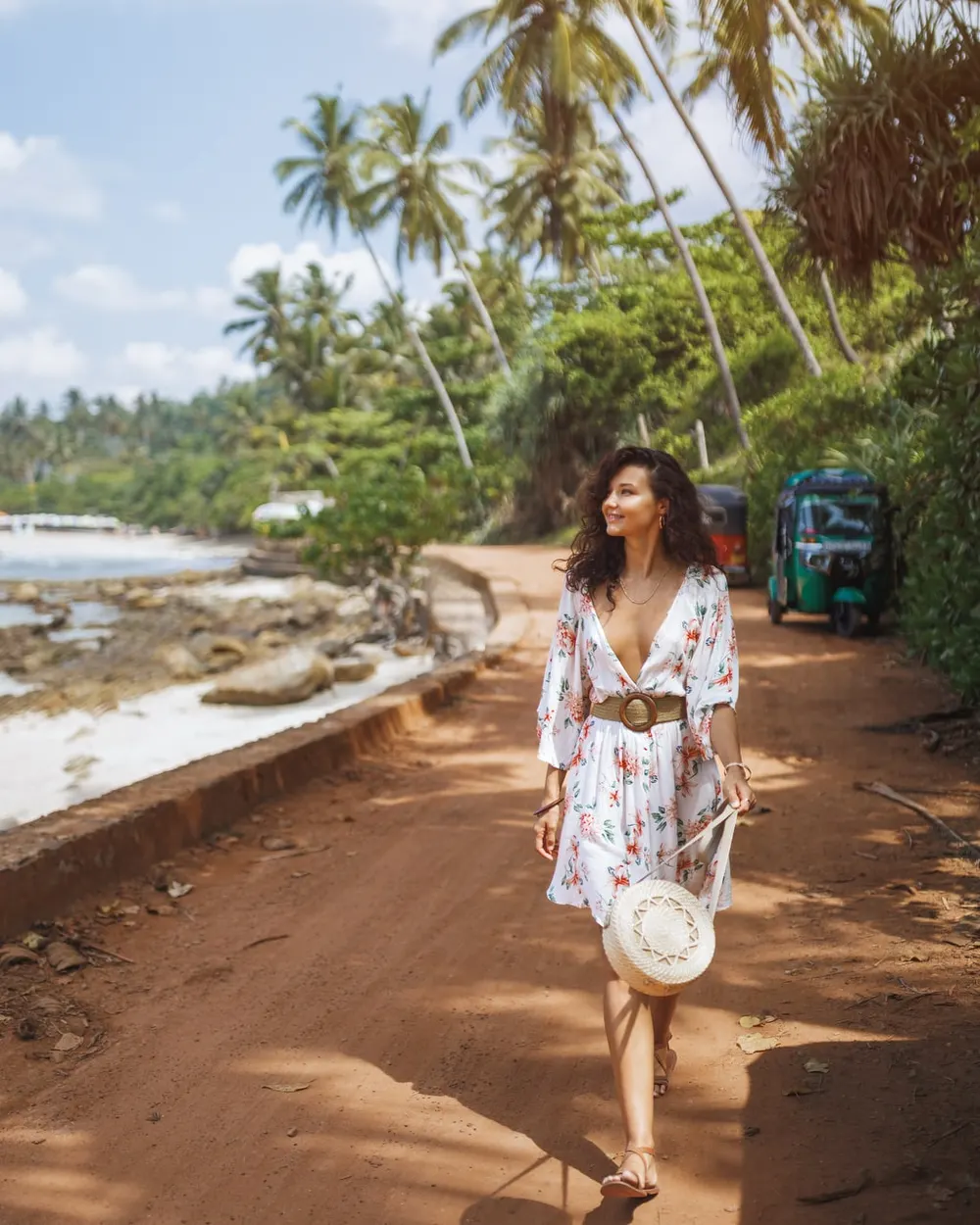
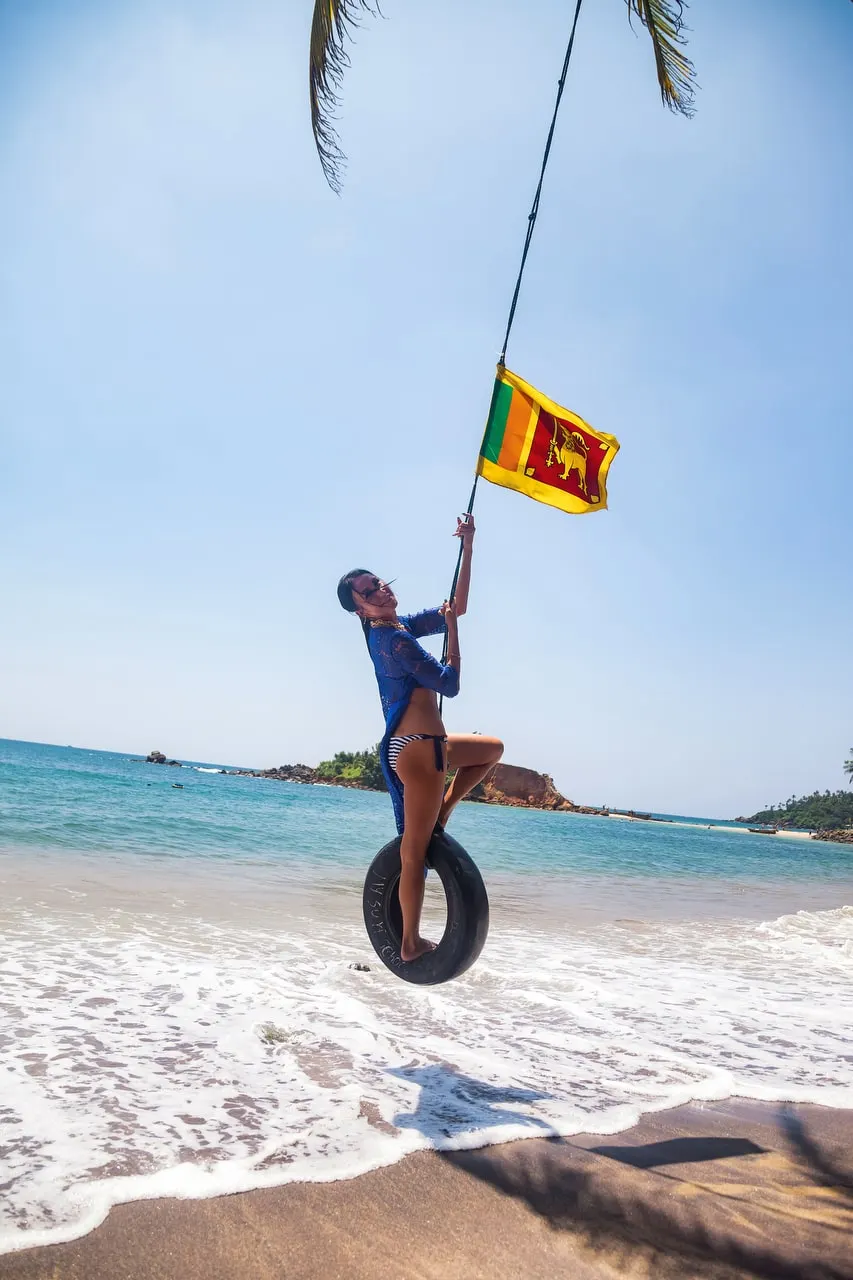
Sri Lanka has palm-fringed beaches, spectacular mountains, ancient cities, incredible wildlife and some of the most memorable food in South Asia. Yet one of the country's greatest attractions is something you cannot photograph: its people.
For many visitors, the warmth of the welcome becomes one of the most memorable parts of the journey. A friendly conversation can turn into an invitation for tea. Someone might go out of the way to help you find your destination. In smaller communities, a visitor can attract genuine curiosity and friendly attention.
But if you're considering a holiday, you probably have some perfectly reasonable questions. Is Sri Lanka safe for tourists? What about crime and political unrest? Can you drink the tap water? Will you find a good hospital in an emergency? And what should you know about local laws?
This guide answers those questions using official statistics, government travel advice and practical information.
Sri Lanka is a destination worth visiting, provided you take sensible precautions. Opportunistic theft, road accidents, mosquito-borne illness and unpredictable weather deserve more attention than many visitors expect. Serious crime against tourists is comparatively uncommon, although harassment, assault and other serious incidents do occur.
How safe is Sri Lanka according to the statistics?
Let's start with the numbers rather than dramatic headlines.
According to the Sri Lanka Tourism Development Authority, Sri Lanka welcomed 2,362,521 international tourists in 2025, an increase of 15.1% compared with 2024. By 15 November 2026, another 1,964,773 international visitors had arrived, according to the authority's official November 2026 arrivals report.
These numbers demonstrate the scale of tourism in Sri Lanka, although visitor numbers alone do not measure safety. More revealing is what visitors actually say about their experiences.
The tourism authority's 2024 to 2025 departing tourist survey surveyed 11,731 inbound international visitors. Among respondents:
That means approximately 89.8% rated personal safety positively, as either good or excellent.
These are opinions collected from surveyed departing tourists, not the percentage of visitors who experienced no crime. Nevertheless, the results provide meaningful evidence of how visitors perceive the country.
The UK government's Foreign, Commonwealth & Development Office offers another important perspective. It states that violent crimes against foreign visitors are rare, while warning about theft, fraud and harassment.
Sri Lanka is not without risk. But neither is it the dangerous destination that occasional international news coverage might suggest.
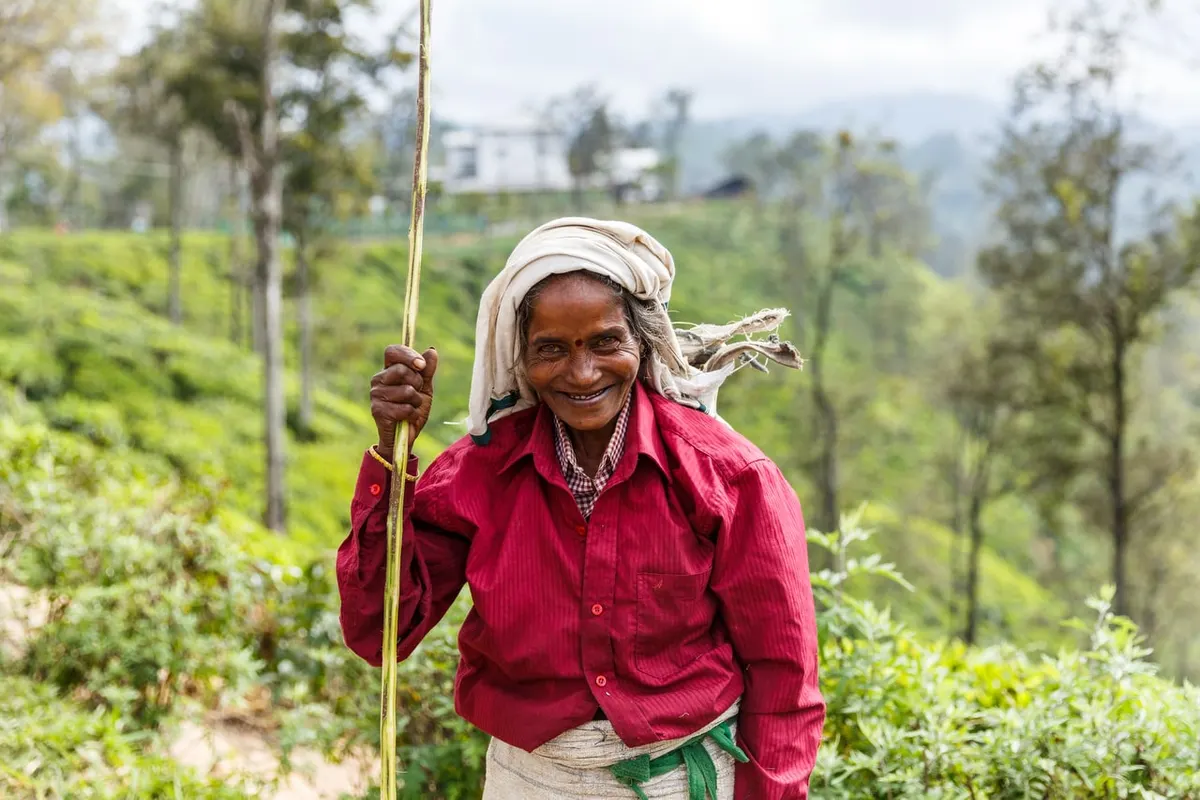
Why Sri Lankans are so welcoming towards tourists
Hospitality is deeply woven into Sri Lankan social life.
Across the island's Buddhist, Hindu, Muslim and Christian communities, welcoming guests, offering food and showing kindness are familiar social values. The traditions differ between households and communities, but the idea that a guest deserves consideration is widely recognised.
Visitors may experience this through little gestures: someone offering directions without being asked, a shopkeeper patiently explaining unfamiliar food, or a family making sure a guest has eaten.
There is also a practical reason tourists are valued. Tourism provides income and employment for drivers, guides, restaurants, hotels, independent shops and thousands of families whose livelihoods depend directly or indirectly on visitors.
But it would be unfair to suggest that Sri Lankans are friendly only because tourism brings money. Much of the warmth visitors experience exists well beyond commercial tourist settings.
The tourist survey offers particularly strong support for this reputation. Of all the destination attributes assessed, welcome and hospitality received the highest excellent rating.
Of course, not every interaction will be positive. Some people will try to overcharge visitors, and friendliness should never replace common sense. Nevertheless, a welcoming attitude towards foreign visitors is one of Sri Lanka's genuine strengths.
Are tourists looked after during a crisis?
Sri Lanka has faced significant challenges, including the 2004 Indian Ocean tsunami, the 2019 Easter attacks, the economic crisis of 2022 and subsequent periods of severe weather and infrastructure disruption.
The important question is how visitors are treated when something goes wrong.
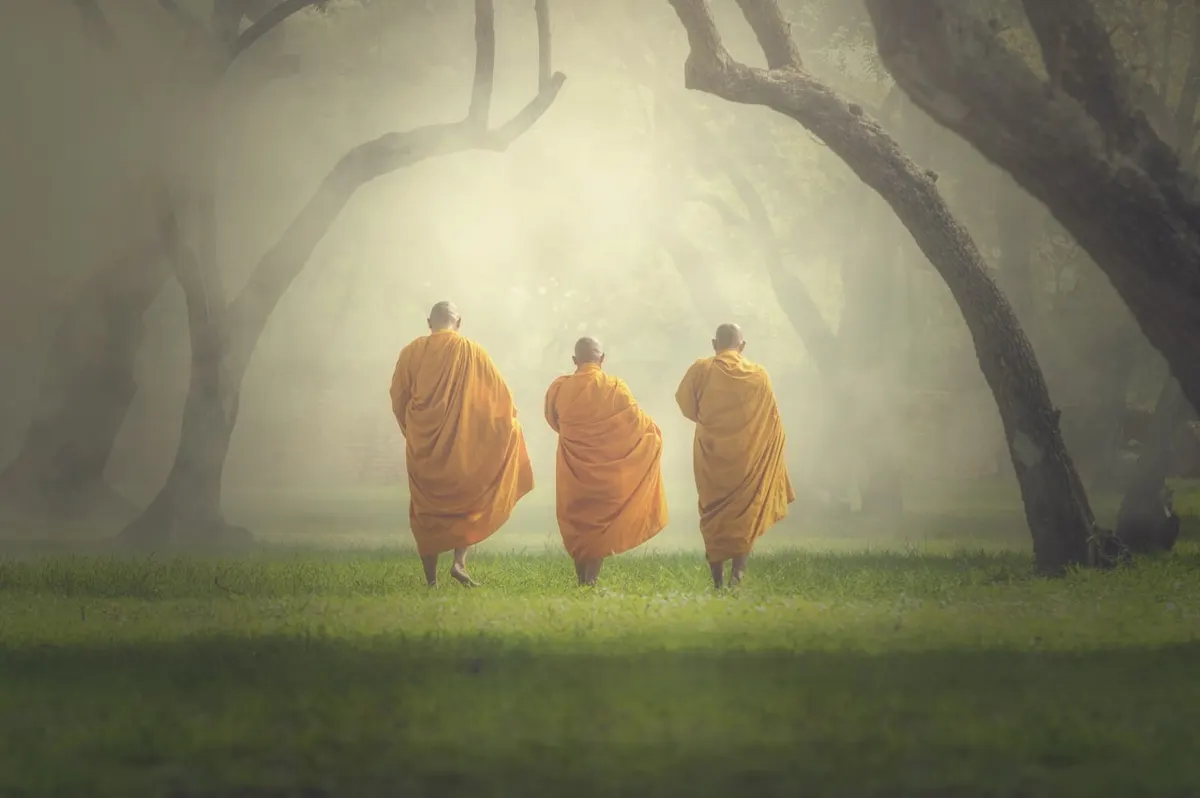
Sri Lanka has a strong tradition of community assistance, with neighbours, families, religious institutions and local organisations often providing support during difficult times. That culture of hospitality can extend to stranded international visitors.
However, it would be misleading to promise that tourists always receive priority over Sri Lankan citizens during emergencies. Medical triage, rescue operations and emergency assistance depend on the severity of the situation, available resources and official decisions.
There are, though, concrete examples of authorities making special arrangements to protect tourism during disruption. During fuel restrictions in 2026, the Sri Lankan government announced specific arrangements for hotels and tour operators to reduce disruption to tourism services. This was documented in both UK travel advice and Ireland's Department of Foreign Affairs guidance.
Sri Lanka also maintains dedicated Tourist Police services and a 24-hour tourist assistance hotline. These measures show that visitor welfare and the continuity of tourism are recognised public priorities.
If an emergency occurs, follow official instructions, contact your accommodation provider, and use the tourist assistance hotline on 1912. For flooding, cyclones and landslides, check the Sri Lanka Disaster Management Centre.
Crime in Sri Lanka: more likely to trouble your wallet than your limbs
For the average tourist, the more familiar crime risks involve money and belongings rather than physical attacks. Think of a missing wallet, an inflated tuk-tuk fare or a phone snatched from an unattended table.
According to the UK government's travel guidance, low-level opportunistic crime has increased, while violent crimes against foreigners remain rare. That is encouraging, but it does not mean serious crime is impossible.
Petty theft and pickpocketing
Pickpocketing, bag snatching and theft from accommodation can happen, particularly in crowded markets, transport hubs, busy streets and tourist areas. Motorbike riders have been reported snatching bags from pedestrians.
Keep your bag away from the road, avoid leaving valuables unattended and use secure storage at your accommodation.
Tuk-tuk overcharging and tourist scams
A driver might quote an attractive initial price and then demand extra money. Someone may insist that an attraction is closed before offering to take you elsewhere. An apparently helpful stranger might steer you towards a shop that pays commissions. Fortunately, these situations are usually avoidable.
Agree on a fare before travelling, use reputable ride-hailing services where available and check opening hours through official sources.
ATM and bank card fraud
The UK government specifically warns that bank card fraud is common in Sri Lanka.
Use ATMs attached to reputable banks, cover your PIN and keep your payment card in sight. Enable banking notifications so unusual transactions can be spotted immediately.
Sexual harassment and assault
This deserves a serious mention. Women travelling in Sri Lanka can experience unwanted attention, verbal harassment and, in some cases, physical harassment or sexual assault. Incidents have been reported on public transport, at crowded attractions and in nightlife settings.
Take particular care with unattended drinks, avoid isolated areas late at night and use trusted transport providers.
Travelling with friends or arranging reputable transport can reduce some risks, but responsibility for harassment always belongs to the offender.
Terrorism and political unrest
Sri Lanka suffered devastating terrorist attacks in April 2019, when more than 250 people were killed. The threat of further attacks cannot be ruled out, according to international government advisories.
Political protests can also disrupt roads and public transport. The large demonstrations during the 2022 economic crisis showed how quickly local conditions can change.
Avoid demonstrations and large political gatherings. Monitor current advice from the UK government, Australian Smartraveller and your own country's foreign ministry.
Don't treat Sri Lanka as a crime-free paradise, but don't confuse the possibility of serious incidents with the everyday experience of most visitors.
Emergency numbers in Sri Lanka
Save these numbers before travelling.
The 1990 Suwa Seriya service provides emergency ambulances across Sri Lanka and is free to use. The 1912 tourist hotline is particularly useful for visitors needing help with tourist-related problems, including assistance navigating local services.
You can also contact the Sri Lanka Police or consult the official tourism emergency information.
Keep a copy of your passport, travel insurance information, accommodation address and embassy contact details accessible offline.
Healthcare in Sri Lanka: what happens if you become ill?
Sri Lanka has an established public healthcare system alongside a network of private hospitals and specialist clinics. In Colombo, visitors have access to major facilities, including the National Hospital of Sri Lanka, Asiri Hospitals and Lanka Hospitals. For ordinary illnesses, many urban areas also have local doctors, outpatient clinics and pharmacies.
The situation becomes more complicated in remote villages, mountainous areas and smaller coastal communities. Specialist emergency treatment may not be readily available outside major cities. Serious injuries can require transfer to Colombo or another larger medical centre.
The US Department of State identifies several major Colombo hospitals with emergency and trauma services.
How much does medical treatment cost?
Sri Lanka is often more affordable than Western countries for straightforward private consultations, but there is no single nationwide price for tourist medical treatment.
For example, Nations Digital Hospital advertises a general medical consultation at LKR 3,000. This is one provider's published consultation fee, not a standard rate across Sri Lanka. For emergency care, costs can rise substantially depending on the hospital, tests, surgery, intensive care and length of admission.
| Medical service | What to expect |
|---|---|
| 1990 public emergency ambulance | Free |
| Routine private consultation | Provider-specific fee, sometimes a few thousand rupees |
| Government hospital treatment | Charges for foreign patients may apply; confirm locally |
| Private emergency department | Assessment, investigations and treatment may be billed separately |
| Hospital admission or surgery | Potentially substantial costs and upfront deposits |
| International medical evacuation | Very expensive and dependent on destination and clinical needs |
Australia's official travel advice warns that uninsured visitors may need to pay thousands of dollars upfront for medical treatment. Private hospitals may require a deposit or confirmation of insurance cover before admission.
Importantly, a free ambulance does not guarantee free hospital treatment. Official sources do not describe foreign-patient charging consistently, so visitors should not assume all public hospital services will be free.
Travel insurance covering hospitalisation, emergency treatment and medical evacuation is strongly recommended. If you plan to ride a motorbike, go scuba diving, surf or participate in adventure activities, check those activities are specifically covered. In an emergency, seek treatment first and notify your insurer as soon as practical.
Can you drink tap water in Sri Lanka?
For international visitors, the safest general advice is to avoid drinking untreated tap water. Water quality varies between locations, and a supply that local residents are accustomed to drinking may still present unfamiliar risks to visitors.
Bottled drinking water is widely sold in shops, supermarkets, hotels and restaurants. Choose sealed bottles from reputable sellers and avoid containers with damaged seals. Boiled water or properly filtered and disinfected water can also be suitable.
What about ice?
Ice made from properly treated water is generally safe. However, you cannot always establish where ice has come from. In restaurants with reliable hygiene practices, ice may be produced from treated water. In less predictable settings, request drinks without ice.
Can you brush your teeth with tap water?
Many visitors use tap water for brushing without problems, but travellers with sensitive stomachs or those staying somewhere with uncertain water quality may prefer bottled or treated water. Avoid swallowing untreated water.
Are fresh juices safe?
Fresh coconut water served directly from a freshly opened coconut is a popular option. For other juices, check whether the fruit is washed with safe water and whether the drink is diluted with untreated water or ice.
Is Sri Lankan food safe for tourists?
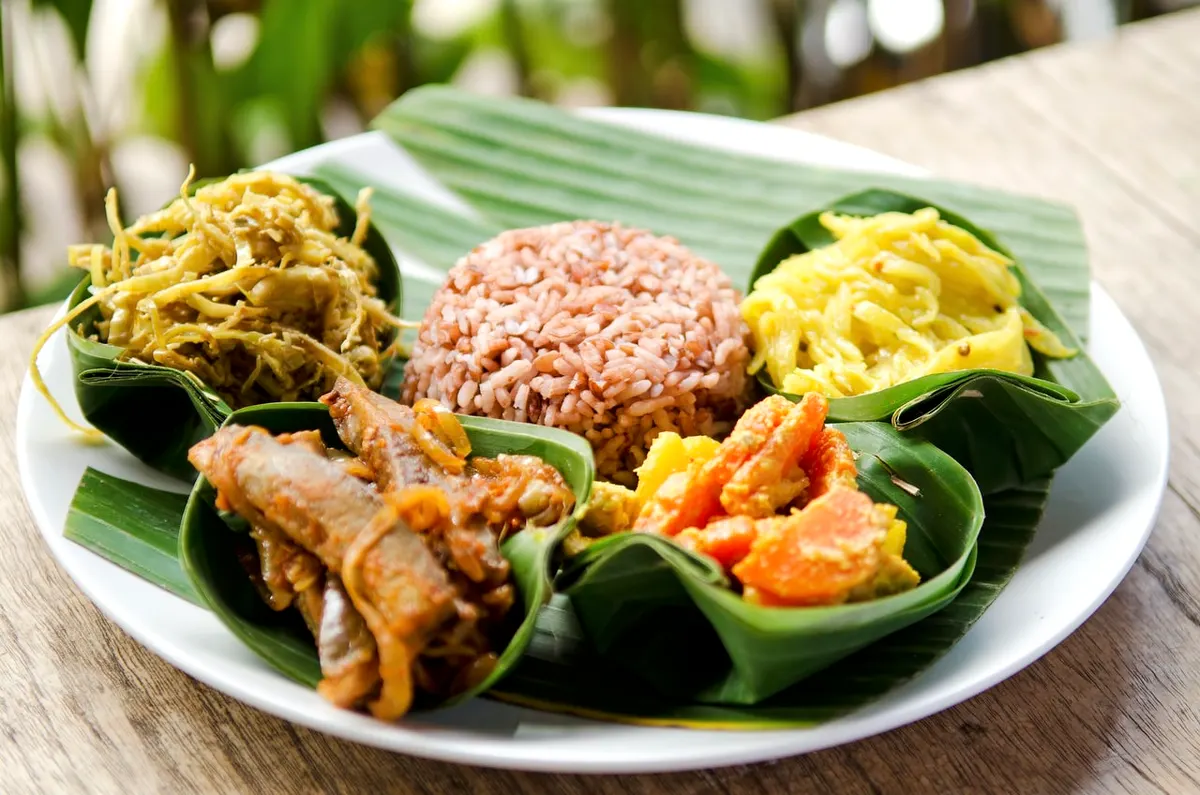
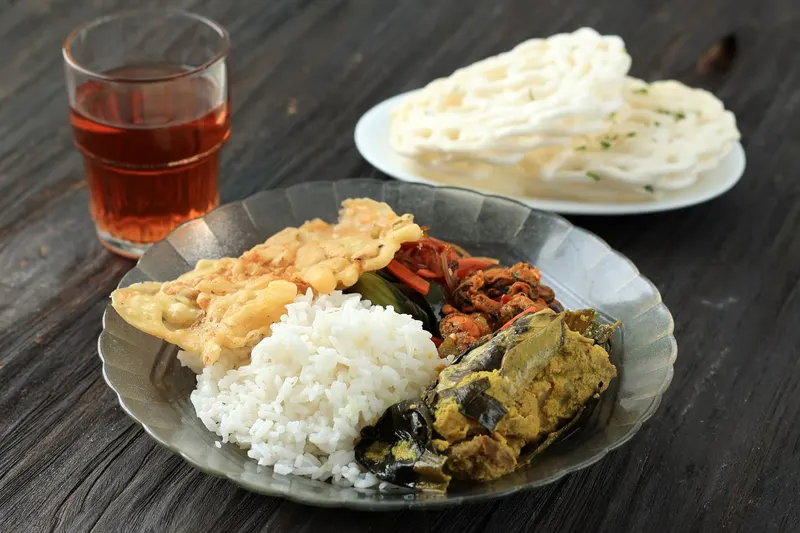
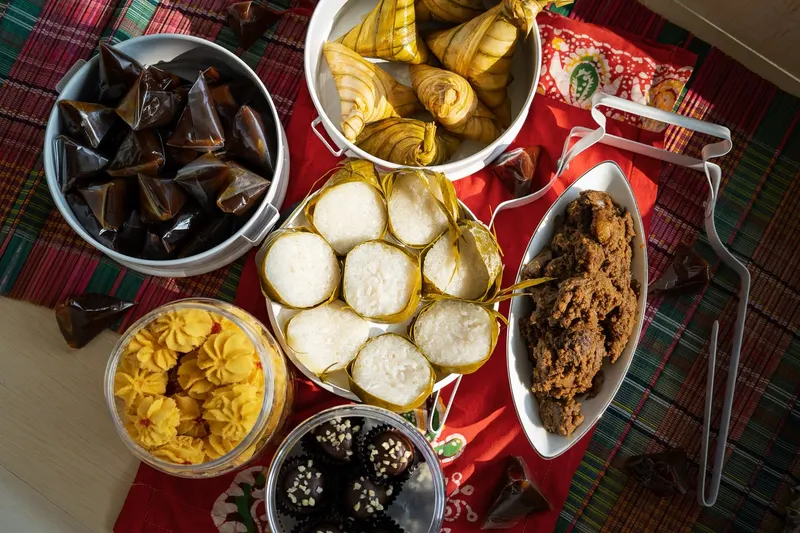
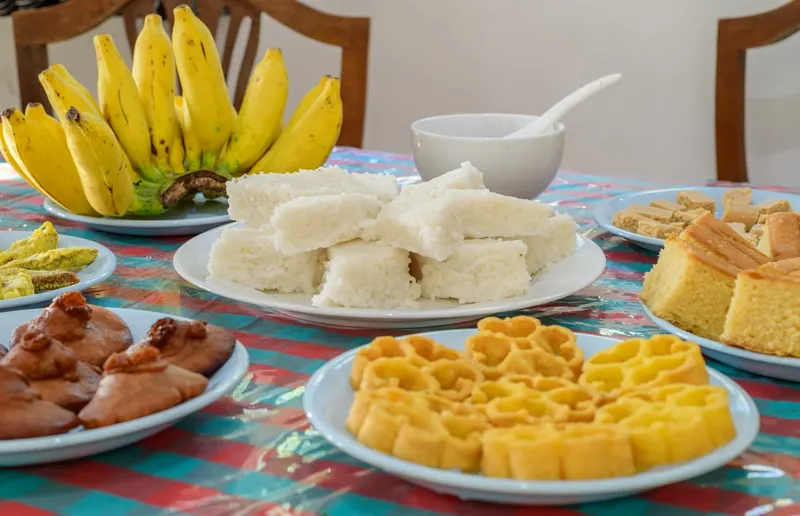
Sri Lankan food is one of the best reasons to visit. Rice and curry, hoppers, kottu roti, string hoppers, dhal, sambol and freshly prepared seafood offer a wonderful introduction to the country's culinary traditions.
You should not avoid local food because you're worried about getting sick. Instead, pay attention to how food is prepared, stored and served.
Eat freshly cooked food
Hot food served immediately after preparation is generally a safer choice than food sitting at room temperature for long periods. This is especially important with rice, meat, seafood and dairy products in a hot climate.
Choose busy restaurants for sensible reasons
A busy restaurant with a steady turnover of freshly prepared meals can be a good sign. But popularity alone does not guarantee cleanliness. Look for clean preparation areas, proper refrigeration and food handlers following basic hygiene practices.
Be careful with raw foods
Unwashed salads, pre-cut fruit and raw or undercooked seafood carry additional risks. Fruit you can peel yourself is often a convenient choice.
Don't confuse spicy food with food poisoning
Sri Lankan dishes can be extremely spicy, particularly for visitors unfamiliar with chilli-rich cooking. Spice may cause temporary digestive discomfort without any infection being involved. However, severe diarrhoea, vomiting, fever, dehydration or blood in the stool require appropriate medical attention.
Food allergies
If you have allergies, learn how to explain them clearly in Sinhala or Tamil. Peanuts, cashews, coconut, fish, prawns and other seafood ingredients can appear in local dishes, sauces and sambols. Don't assume a dish is safe merely because the main ingredient appears harmless.
Enjoy Sri Lanka's food enthusiastically, but be selective about hygiene and water quality.
Vaccinations before visiting Sri Lanka
Most travellers do not need an unusually complicated vaccination programme, but recommendations depend on medical history, travel duration and activities. Ideally, arrange a travel-health appointment four to eight weeks before departure.
The US Centers for Disease Control and Prevention and UK TravelHealthPro publish detailed guidance.
| Vaccination | General advice |
|---|---|
| Routine vaccinations, including MMR and tetanus | Ensure vaccinations are up to date |
| Hepatitis A | Recommended for most unvaccinated visitors |
| Hepatitis B | Recommended or considered depending on age, vaccination history and risk |
| Typhoid | Particularly relevant where food and water exposure may be greater |
| Rabies | Consider for extended stays, animal contact or remote travel |
| Japanese encephalitis | Mainly for longer stays or certain rural outdoor activities |
| Yellow fever | Certificate required only for certain arrivals or transits through risk countries |
Sri Lanka does not have a yellow fever transmission risk. The entry requirement relates to travel through designated yellow fever risk countries.
Sri Lanka was certified malaria-free by the World Health Organization in 2016. Routine malaria prevention tablets are not normally recommended for a trip confined to Sri Lanka.
A much more relevant mosquito-borne illness for most travellers. Use insect repellent, wear protective clothing and reduce exposure to mosquitoes throughout the day. Chikungunya and other mosquito-borne infections are also present.
Do not pet stray dogs or monkeys. Seek urgent medical assessment after an animal bite or scratch because rabies is potentially fatal and post-exposure treatment may be difficult to obtain quickly in some areas.
If you develop a fever, particularly after mosquito exposure, seek medical advice promptly.
Can you buy common medication in Sri Lanka?
Sri Lanka has pharmacies in major towns and cities, with many common medicines available. Visitors can generally find options for everyday problems such as headaches, allergies, stomach discomfort and minor injuries.
However, availability is not guaranteed. Specific imported brands, specialised medications and some long-term prescription medicines may be difficult to find. Supplies can also be affected by shortages.
- If you depend on daily medication, bring enough for your trip, with a reasonable allowance for travel delays where legally permitted.
- Keep prescription medicines in their original packaging and carry a copy of the prescription or a doctor's letter.
- The letter should identify the medicine by its generic ingredient name, not only its brand name. This is especially important for medications subject to additional controls, including certain strong painkillers, sedatives and other controlled substances.
- Check import restrictions with the relevant Sri Lankan authorities before travelling.
For unexpected illness, use a legitimate pharmacy or consult a registered medical professional. Avoid buying unidentified tablets from informal sellers.
What are you not allowed to bring into Sri Lanka?
Sri Lanka has strict customs rules, and some restrictions surprise visitors. Always check the official Sri Lanka Customs website before departure.
Illegal drugs
Narcotics and illegal recreational drugs, including cannabis, can lead to arrest, imprisonment and substantial fines. A product being legal in your home country does not make it legal in Sri Lanka.
Cigarettes and tobacco
Sri Lanka Customs states that cigarettes, cigars, beedies and snuff are not permitted as ordinary accompanied or unaccompanied passenger baggage. Do not assume the tobacco allowances used in other countries apply here.
Vapes and e-cigarettes
The US State Department identifies electronic cigarettes and vaping devices among prohibited items. Check the latest regulations before travelling rather than assuming a personal-use vape will be allowed.
Weapons and dangerous materials
Weapons, ammunition and explosives are restricted or prohibited without appropriate authorisation.
Fresh fruit, plants and animal products
Fresh fruits and many plant or animal products are subject to quarantine restrictions. Sri Lanka Customs specifically warns against bringing fresh fruits in personal baggage.
Drones
Drones may require registration, authorisation or compliance with special flight restrictions. There are strict rules around military facilities, government locations and certain religious or protected sites. Check the Civil Aviation Authority of Sri Lanka before bringing or operating a drone.
Gold and large amounts of cash
Ordinary personal gold jewellery is treated differently from gold bars and commercial gold imports. Gold ingots and bullion are not permitted as normal passenger baggage. Sri Lanka Customs also requires declarations when incoming foreign currency exceeds the equivalent of US$15,000.
Religious and cultural restrictions
Respect for religion is taken seriously. Disrespectful treatment of Buddhist images or religious artefacts can result in legal consequences. Visible Buddha tattoos have previously resulted in visitors being refused entry or deported. Exporting protected antiques, wildlife products or other controlled cultural objects without authorisation can be illegal.
For a full explanation of baggage allowances and restricted articles, consult Sri Lanka Customs Passenger Services.
Drugs, drug trafficking and criminal penalties
Possession, consumption, sale and trafficking of illegal drugs can result in long prison sentences and heavy fines. The law also provides for very severe punishment, including the death penalty in serious drug offences.
Sri Lanka has not carried out an execution since 1976, but that does not remove the legal seriousness of a possible death sentence.
International visitors should also remember that airport transit does not exempt someone from local drug enforcement. Never carry a bag, package or parcel for someone else unless you know exactly what it contains. Be cautious about unfamiliar substances offered at parties or in nightlife environments.
The safest policy is to avoid illegal drugs entirely. Further information is available through the UK government travel advice.
Human trafficking and exploitation
Human trafficking is a serious crime and human rights problem. It should not be confused with ordinary tourist crime or with drug trafficking. It involves exploitation through force, fraud, coercion or other unlawful means, including forced labour and sexual exploitation.
The US Department of State's 2026 Trafficking in Persons Report identifies trafficking involving Sri Lankan citizens and foreign nationals, both within Sri Lanka and overseas. Under Section 360C of Sri Lanka's Penal Code, trafficking offences can carry two to twenty years' imprisonment and a fine, depending on the offence. The US report also describes shortcomings in victim identification and protection, so the issue should not be dismissed.
For an ordinary short-stay holidaymaker, human trafficking is not presented in government travel advice as a typical everyday tourist threat. The more significant patterns involve labour exploitation, deceptive recruitment and sexual exploitation.
Nevertheless, visitors should remain alert to suspicious employment offers, requests to surrender passports, and situations involving people apparently being controlled or exploited. Never participate in sexual exploitation, particularly involving children. Such offences can result in severe criminal consequences.
If you suspect trafficking or encounter someone in immediate danger, contact Sri Lanka Police on 119.
Road safety in Sri Lanka: one of the most important risks
If there's one area where tourists should take extra precautions, it's road travel. Sri Lanka's roads can be busy and unpredictable. Buses, motorbikes, tuk-tuks, pedestrians, lorries and animals may all share the same road. Overtaking can be aggressive, and driving standards vary considerably.
The official Sri Lanka Police summary for 2025 recorded:
These figures cover the entire population, not specifically tourists. Nevertheless, road accidents represent a real and measurable danger.
Are tuk-tuks safe?
Tuk-tuks are a convenient and enjoyable way to travel short distances. However, they offer limited crash protection compared with a modern car. Choose a careful driver and avoid rides with dangerous overtaking or excessive speed.
Are buses safe?
Local buses are inexpensive and connect much of the country, but driving practices can be aggressive. For long journeys, especially with luggage, a reputable private driver or professionally operated transfer may be a more comfortable option.
Should tourists rent motorbikes?
Only if properly licensed, insured, experienced and comfortable with local road conditions. Wear a suitable helmet and avoid night riding wherever possible.
What about hiring a car?
Driving is on the left, as in the UK. Visitors need to check the driving licence recognition requirements, which may include an international driving permit and local recognition documentation. For many first-time visitors, a professional driver is a sensible alternative.
Trains
Trains can be a rewarding way to explore the country, particularly the hill country. Book reserved seats through Sri Lanka Railways where available.
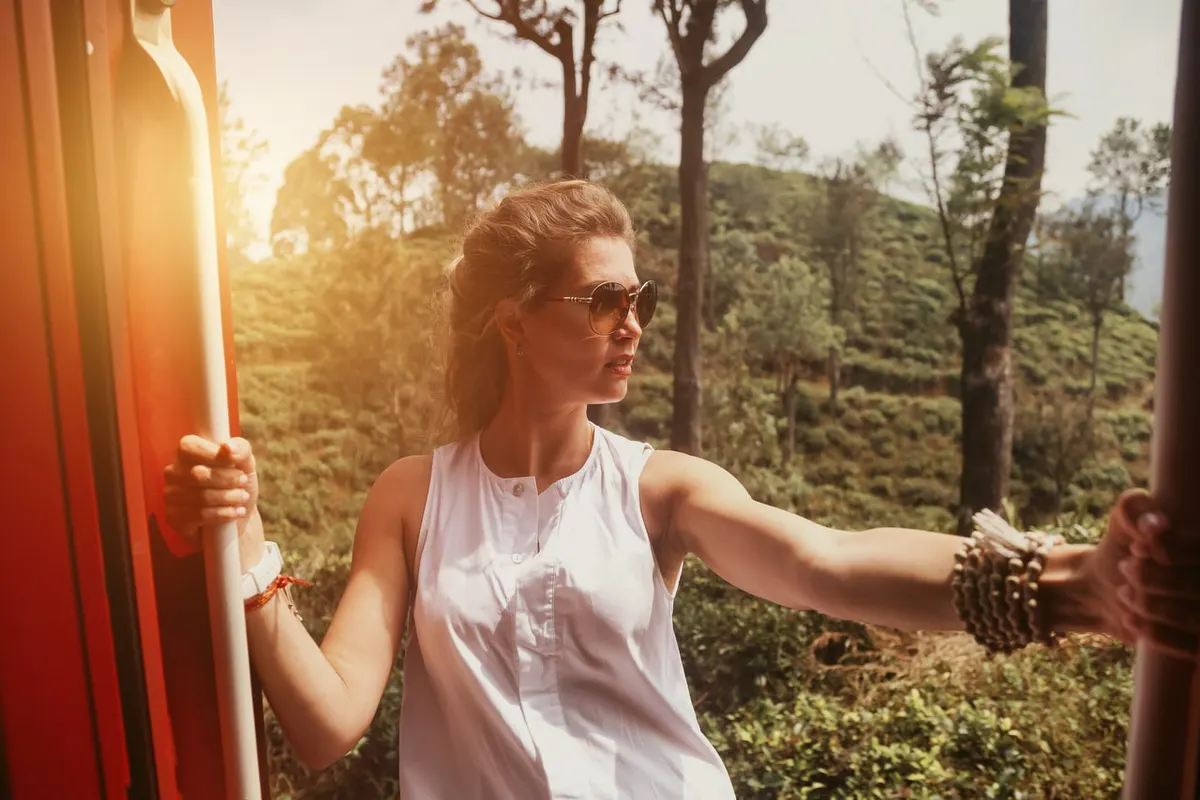
Avoid standing in open train doorways, leaning outside moving carriages or sitting on exterior steps for photographs. Spectacular social media footage is not worth a serious injury.
Weather, beaches and natural hazards
Sri Lanka is a tropical island, and the weather can change dramatically between regions. Monsoon rainfall can cause flooding, landslides, damaged roads and disrupted rail services.
The country experienced serious flooding and landslide damage during Cyclone Ditwah in November 2025, particularly affecting parts of the central highlands. Some infrastructure repairs have continued into 2026.
Before travelling through the hill country, verify whether the intended roads, rail routes and attractions are operating. Check the Disaster Management Centre and the Department of Meteorology.
Beach safety
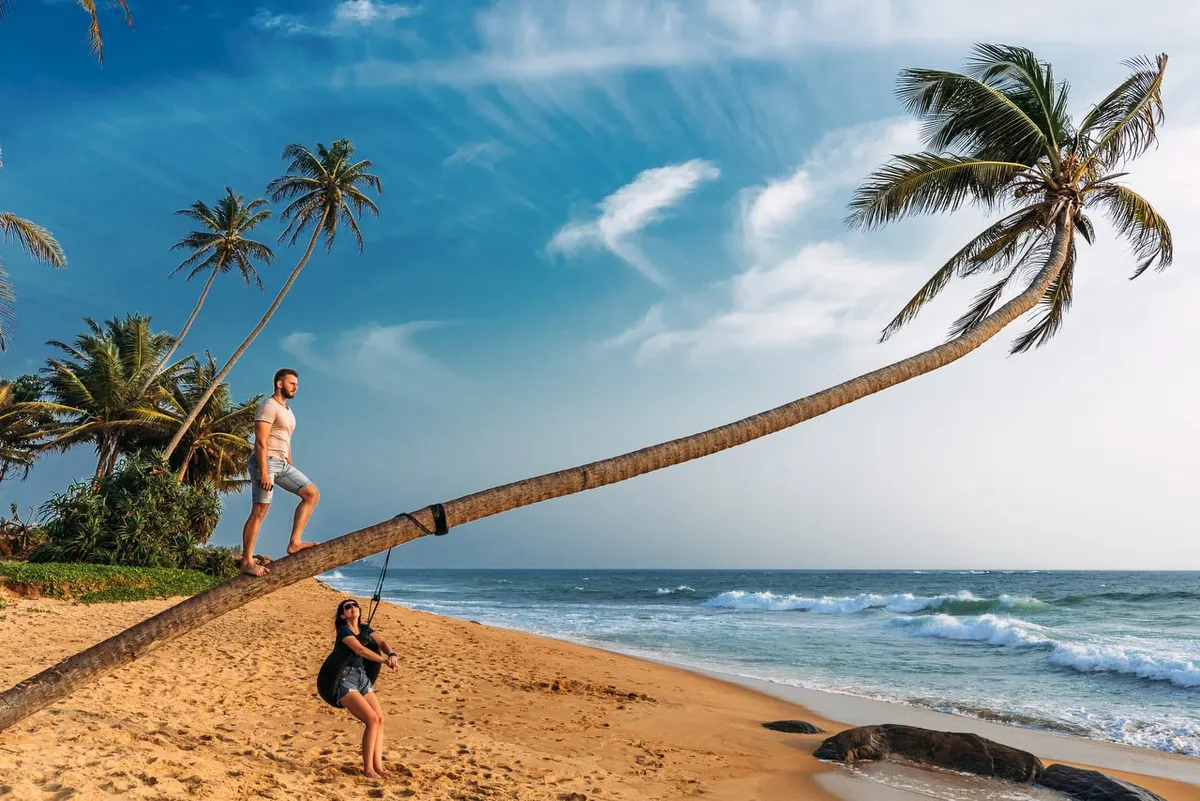
Not every beautiful beach is safe for swimming. Strong currents, dangerous surf and rip tides can occur, even where the sea appears relatively calm. Beach lifeguard coverage is limited in many areas.
Ask locally about swimming conditions and avoid isolated stretches of water without reliable safety information. Avoid swimming in unfamiliar rivers, lagoons or reservoirs. Crocodiles are present in parts of Sri Lanka.
Wildlife
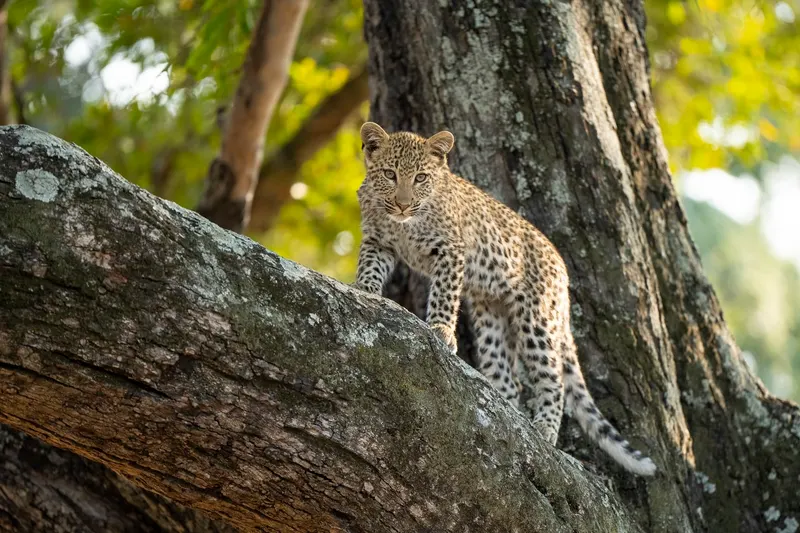
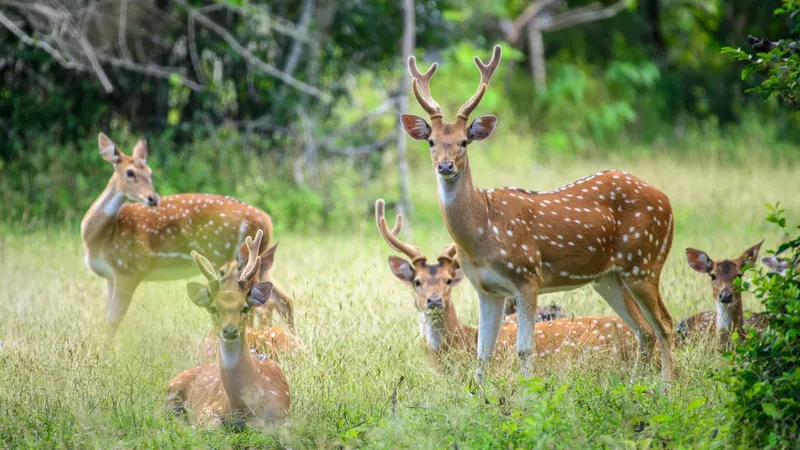
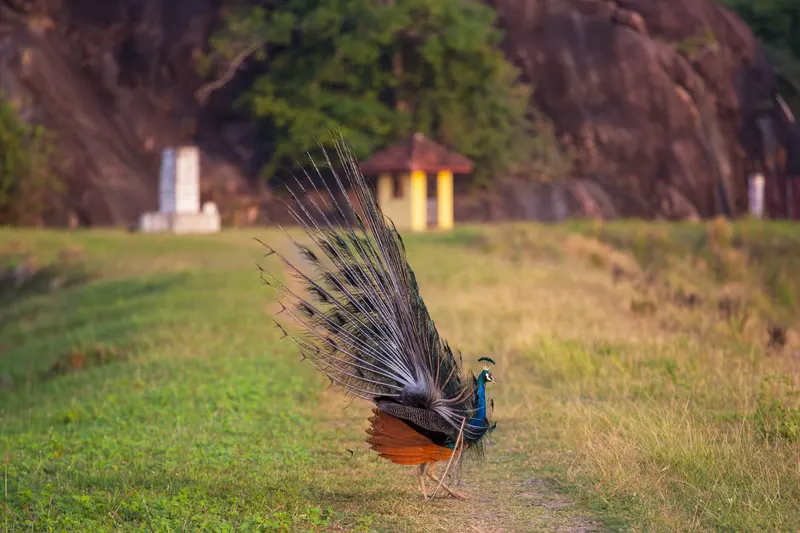
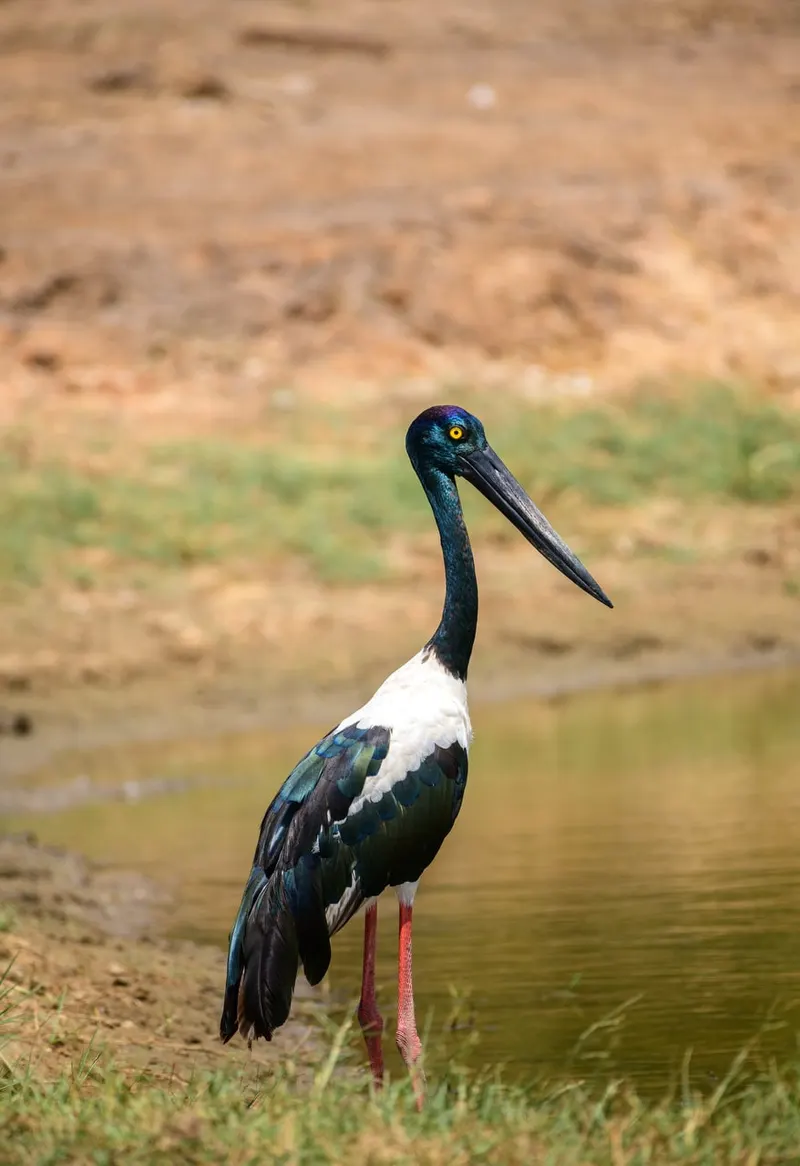
Wild elephants, crocodiles, snakes and other animals deserve respect. Elephants can be dangerous, particularly near roads and in wildlife corridors.
Never approach a wild elephant for a photograph or ask a driver to move closer for a better picture. Follow instructions from authorised wildlife guides and check the Department of Wildlife Conservation for national park information.
Is Sri Lanka safe for solo travellers and families?
Sri Lanka can be a rewarding destination for both solo travellers and families. Many visitors appreciate the ease of finding accommodation, private transport and guided experiences.
For solo travellers, especially anyone travelling alone at night, it is worth choosing well-reviewed accommodation, planning transport in advance and informing someone of longer journeys.
Families should pay particular attention to swimming conditions, road safety, food hygiene and mosquito protection. Children may also be curious about animals, but stray dogs, monkeys and wildlife should not be touched or fed.
Neither travelling solo nor travelling with children makes Sri Lanka automatically unsafe. Appropriate planning simply becomes more important.
Frequently asked questions
Is Sri Lanka safe to visit right now?
Sri Lanka remains open to international tourism and continues to welcome large numbers of visitors. However, government advisories recommend increased caution because of security risks, demonstrations and the possibility of travel disruption. Check live official advice before departing.
Is Sri Lanka safe for British tourists?
Many British visitors travel to Sri Lanka, and the UK has an established diplomatic presence in Colombo. British tourists should follow the FCDO's current travel guidance and obtain suitable travel insurance.
Is Colombo safe for tourists?
Colombo has established hotels, hospitals, restaurants and transport services. As in many large cities, visitors should guard against theft, card fraud, traffic hazards and isolated areas late at night.
Is Sri Lanka safer than India or Thailand?
There is no simple, reliable answer for every traveller. Safety varies by location, activity and the type of risk being compared. International rankings cannot replace destination-specific crime, health and road safety information.
Is it safe to eat street food in Sri Lanka?
Yes, if sensible precautions are taken. Choose food cooked thoroughly and served hot, and pay attention to cleanliness, refrigeration and safe water.
Do tourists need travel insurance?
Travel insurance is strongly recommended. Serious accidents, hospital admissions and medical evacuation can become extremely expensive without cover.
What should I do if my passport is stolen?
Report the theft to Sri Lanka Police, obtain a police report and contact your embassy or high commission for emergency travel document assistance.
Are tourists welcome in Sri Lanka?
Yes. The official tourism authority's 2024 to 2025 survey found that 72.13% of surveyed international visitors rated general welcome and hospitality as excellent. It was the highest-rated destination attribute in the survey.
Should you visit Sri Lanka?
Yes, Sri Lanka is a wonderful country to visit, and its reputation for hospitality has genuine evidence behind it. It offers extraordinary landscapes, distinctive food, remarkable wildlife and opportunities to experience everyday life in a culture where welcoming guests is widely valued.
Like any destination, it also has problems. Theft, scams, sexual harassment, road accidents, illness and natural disasters are real concerns and should never be dismissed. But those risks should be understood in perspective.
The UK government describes violent crime against foreigners as rare. Sri Lanka's tourism survey shows that a large majority of respondents rated their personal safety positively. And tourism continues to bring millions of people to the island.
Perhaps the most important distinction is between a country having risks and a country being unwelcoming. Sri Lanka certainly has risks. But for many visitors, the friendliness of the people is among the most memorable reasons to return.
Visit with an open mind, sensible precautions and respect for local customs. Sri Lanka has a great deal to offer.
Official Sri Lanka travel information and safety resources
For the most reliable information, use official sources rather than unofficial visa agents or outdated travel blogs.
- Sri Lanka Tourism Destinations and visitor information srilanka.travel
- Sri Lanka Tourism Development Authority Tourism statistics and registered tourism services sltda.gov.lk
- Official Sri Lanka ETA website Electronic travel authorisation eta.gov.lk
- Department of Immigration and Emigration Entry requirements immigration.gov.lk
- Sri Lanka Customs Prohibited and restricted items customs.gov.lk
- Sri Lanka Police Police information and contacts police.lk
- Sri Lanka Disaster Management Centre Emergency weather warnings dmc.gov.lk
- UK government travel advice Security, health and entry information gov.uk
- US Department of State travel advice Country safety guidance travel.state.gov
- CDC Sri Lanka travel health Vaccinations and health risks wwwnc.cdc.gov
- TravelHealthPro Sri Lanka UK travel vaccination guidance travelhealthpro.org.uk
Information reviewed 19 November 2026. Safety conditions, medical charges, customs restrictions and entry requirements can change. This article is general travel guidance, not a substitute for official emergency instructions or individual medical advice.
← Visit Sri Lanka: the complete travel guide