A 34-year-old woman from Wadduwa died together with her unborn child roughly two days before she was due to deliver her first baby, in a case her family has linked to dengue fever.
The woman was named as K. Dilani Fernando, a resident of Catherine Mawatha, Wadduwa. An open verdict has been returned on her death. Relatives told Hiru News that a blood test carried out before she died showed she had contracted dengue.
The family’s account
According to relatives, she developed a fever on July 24 and appeared to recover after taking two painkillers. She was later admitted to a private hospital because she was unable to pass stools, and that condition eased after treatment.
The same private hospital had managed her pregnancy from its first month, and a caesarean section had been scheduled. Relatives said the tests carried out ahead of that procedure were what revealed the dengue infection.
The family said there was no space in the private hospital’s intensive care unit, so they moved her to a government maternity hospital. Staff there told them it was already very late, according to the relatives’ account. While she was receiving intensive care, the baby died the following day, July 28, and the mother died on the evening of July 29.
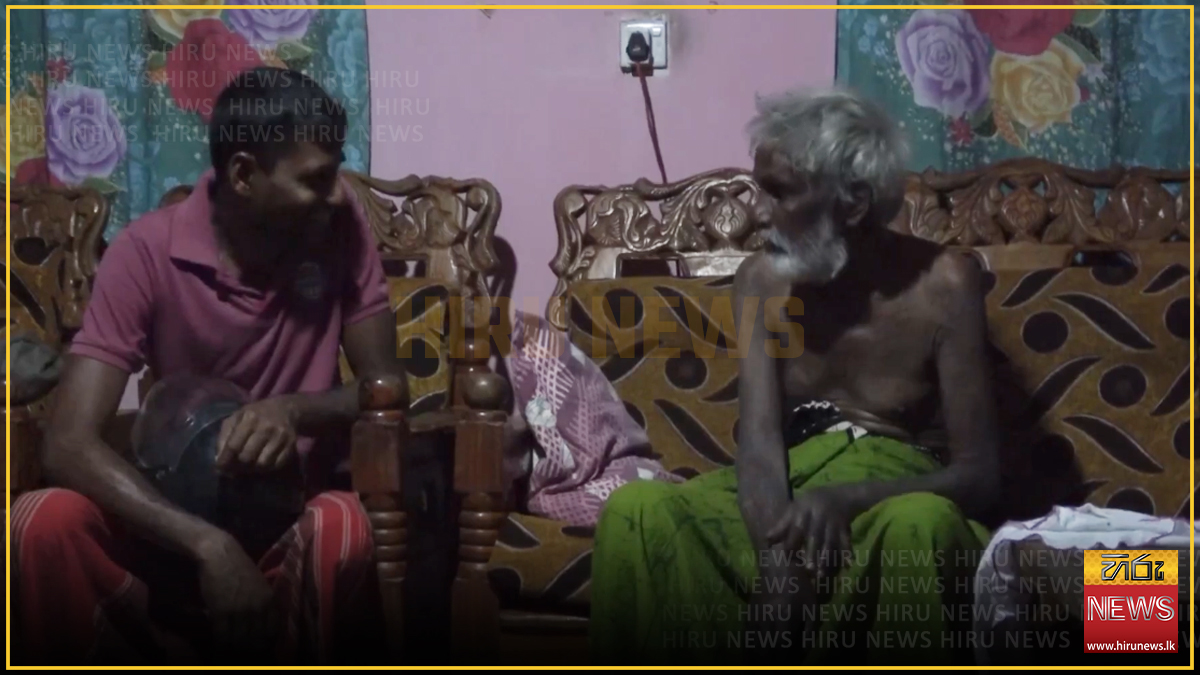
The account was given to Hiru News by Dilani Gunawardhana, the sister of the dead woman’s husband. She said the couple had married about two years earlier after meeting through the phone business — her brother, Isuru Gunawardena, 42, works as a flight operations controller and supplied handsets to shops, one of them the phone shop the dead woman ran in Wadduwa town. The family is from Minuwangoda in Gampaha. An earlier pregnancy had been lost at about three months because of a cyst, and the same private-hospital doctor had overseen this pregnancy throughout.
LankaNewz has not independently verified the family’s account of the treatment sequence, and neither hospital has commented publicly. The formal cause of death remains undetermined pending the open verdict.
Dengue pressure eases nationally, but risk to pregnancies persists
The death comes as national dengue figures have been easing. Health authorities reported a weekly drop of about 18 per cent in new cases, with roughly 86,000 infections recorded so far this year. July was the worst month of 2026, with 29,980 infections, and the official death toll stands at 62. Because an open verdict was returned in this case, it is not clear whether this death will be added to that count.
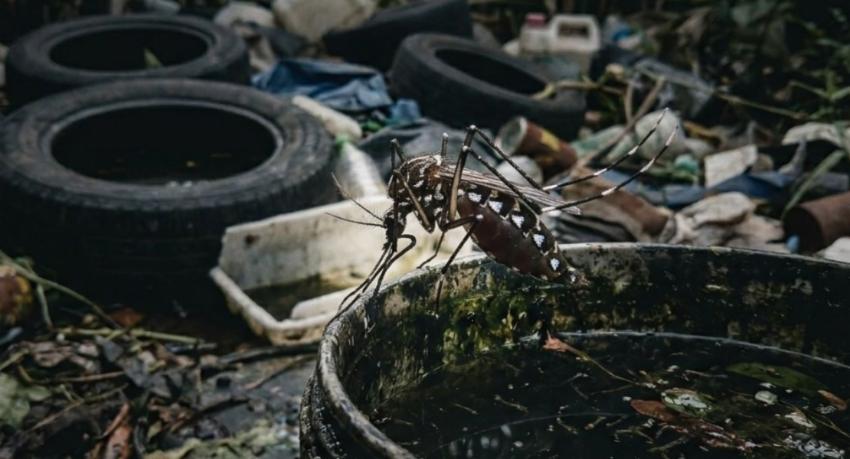
Dengue in pregnancy carries elevated risk for both mother and foetus, and a falling national caseload does not remove the danger to individual patients. The current wet spell across the south-west and central hills has kept breeding conditions favourable.