The Cabinet of Ministers has approved the draft Constitutional Amendment Bill that would extend the retirement age of judges, Justice Minister Harshana Nanayakkara said, moving the contested measure to the gazette stage.
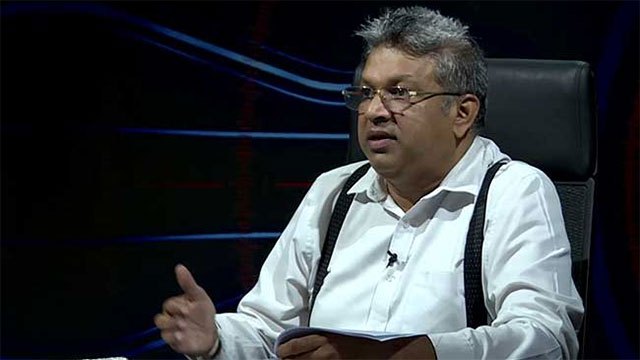
Speaking on TV Derana’s “360°” programme on Monday night, the minister said Cabinet had approved raising the retirement age of all judges through amendments to both the Constitution and the Judicature Act, Ada Derana reported. Hiru News carried the same confirmation from the minister on Tuesday morning.
The draft bill will now be published in the Government Gazette.
What the bill contains
Beyond the two-year extension that has dominated public debate, the minister set out three elements of the package:
- Extending the retirement age of judges by two years
- Increasing the number of judges in the Court of Appeal and the High Courts
- Limiting the tenure of the Chief Justice to six years
The retirement ages of Supreme Court and Court of Appeal judges — currently 65 and 63 — are fixed in the Constitution, which is why the change requires a constitutional amendment and a two-thirds majority in Parliament. A separate amendment to the Judicature Act would cover judges of the other courts, including High Court judges and magistrates.
The six-year cap on the Chief Justice’s tenure has not featured in the government’s earlier public arguments for the measure, which have rested almost entirely on court delay. Ministers have repeatedly cited a backlog of more than 1.1 million pending cases.
A distinct step from the July decision
This is the second Cabinet decision in the sequence, not a repeat of the first. Cabinet approved the proposal to amend the Constitution and the Judicature Act on July 27. The Attorney General then cleared the drafted bill on August 2, certifying it as consistent with the Constitution and forwarding the certificate to the Legal Draftsman. Cabinet has now approved the finished draft itself, which is the step that unlocks gazetting.
Nanayakkara said that once the bill is gazetted, petitions may be filed in the courts challenging its provisions under the constitutional process. Because the Supreme Court holds sole jurisdiction over a bill’s constitutionality, the judges whose tenure the measure would extend will be the ones ruling on whether it passes muster.
Opposition has widened at every stage
The measure has been rejected by the organised legal profession at home and criticised from abroad. The Bar Association of Sri Lanka adopted seven resolutions against it at a special general meeting on July 29 and has asked President Anura Kumara Dissanayake to halt further steps. The Judicial Service Association opposed any extension by secret ballot, and its president resigned over how that meeting was convened. The Church of Ceylon and, on Monday, the Mahanayake Theras of the three chapters have also written against it.
On Tuesday morning the International Association of Judges called on the government to reconsider the amendment in its current form.
Update (August 4): bill sent to Government Printing, three-week timetable set out
The draft bill has been forwarded to the Department of Government Printing for publication in the Government Gazette, Justice Minister Harshana Nanayakkara told Parliament on Tuesday.
Replying to a question from Opposition Leader Sajith Premadasa, the minister said the bill would be tabled in Parliament one week after it appears in the gazette. He put the full legislative process at a minimum of three weeks, and said it could take longer if the bill is challenged before the Supreme Court.
Nanayakkara also told the House that the Attorney General granted legal clearance for the draft legislation on July 31, and that Cabinet approved it afterwards. Ada Derana had reported the Attorney General’s clearance on August 2, two days after the date the minister gave in Parliament.
The gazette step is what opens the window for petitions, as the minister indicated when Cabinet approved the draft. His own timetable builds in the possibility that a Supreme Court challenge extends it.