The Attorney General has granted legal clearance to the draft bill extending the retirement age of judges by two years, moving the contested measure to its next stage despite unanimous opposition from the organised legal profession.
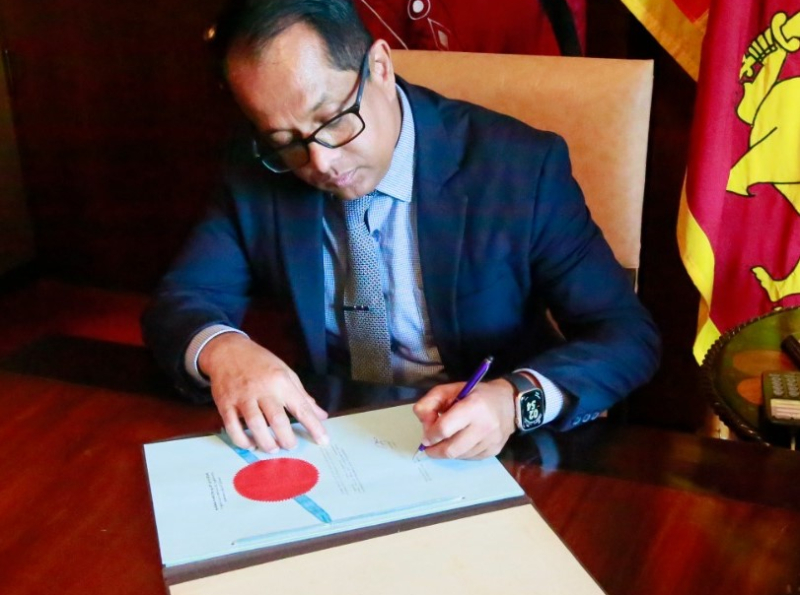
Attorney General Parinda Ranasinghe said he has issued a certificate confirming that the proposal is consistent with the Constitution, and that the certificate has been forwarded to the Legal Draftsman for further action, NewsFirst reported.
The Attorney General’s Department said its legal review of the draft bill has been completed and its observations formally conveyed to the Ministry of Justice. The Ministry is now expected to finalise the legislation before publishing it in the Government Gazette.
What the bill would change
Cabinet approved the proposal on July 27. It would raise the retirement age of Supreme Court judges from 65 to 67 and that of Court of Appeal judges from 63 to 65 — limits fixed in the Constitution, which means the change requires a constitutional amendment carried by a two-thirds majority in Parliament.
A separate amendment to the Judicature Act would extend the retirement age of judges serving in the other courts, including High Court judges and magistrates.
The government has rested its case on case delay. Ada Derana reported that more than 1.1 million cases are currently awaiting resolution in courts across the country, and ministers have said the extension sits alongside creating new courts and filling judicial vacancies as measures to clear the backlog.
Opposition across the legal profession
The clearance advances a measure that the Bar Association of Sri Lanka has unanimously rejected. The BASL adopted seven resolutions against the amendment at a special general meeting on July 29 and has since written to President Anura Kumara Dissanayake asking him to halt all further steps until it can put its case in person.
The Judicial Service Association, which represents District Court judges and magistrates, opposed any extension by secret ballot, and its president resigned last month over how that meeting was called. Opposition MP Dayasiri Jayasekera has lodged a bribery complaint against the Cabinet decision, and senior lawyer Lal Wijenayake — a member of the governing NPP’s own Leadership Council — has publicly broken with the party over it.
A procedural consequence follows from the amendment route: because the Supreme Court holds sole jurisdiction to rule on a bill’s constitutionality, the judges whose tenure would be extended will be the ones determining whether the measure passes constitutional muster.