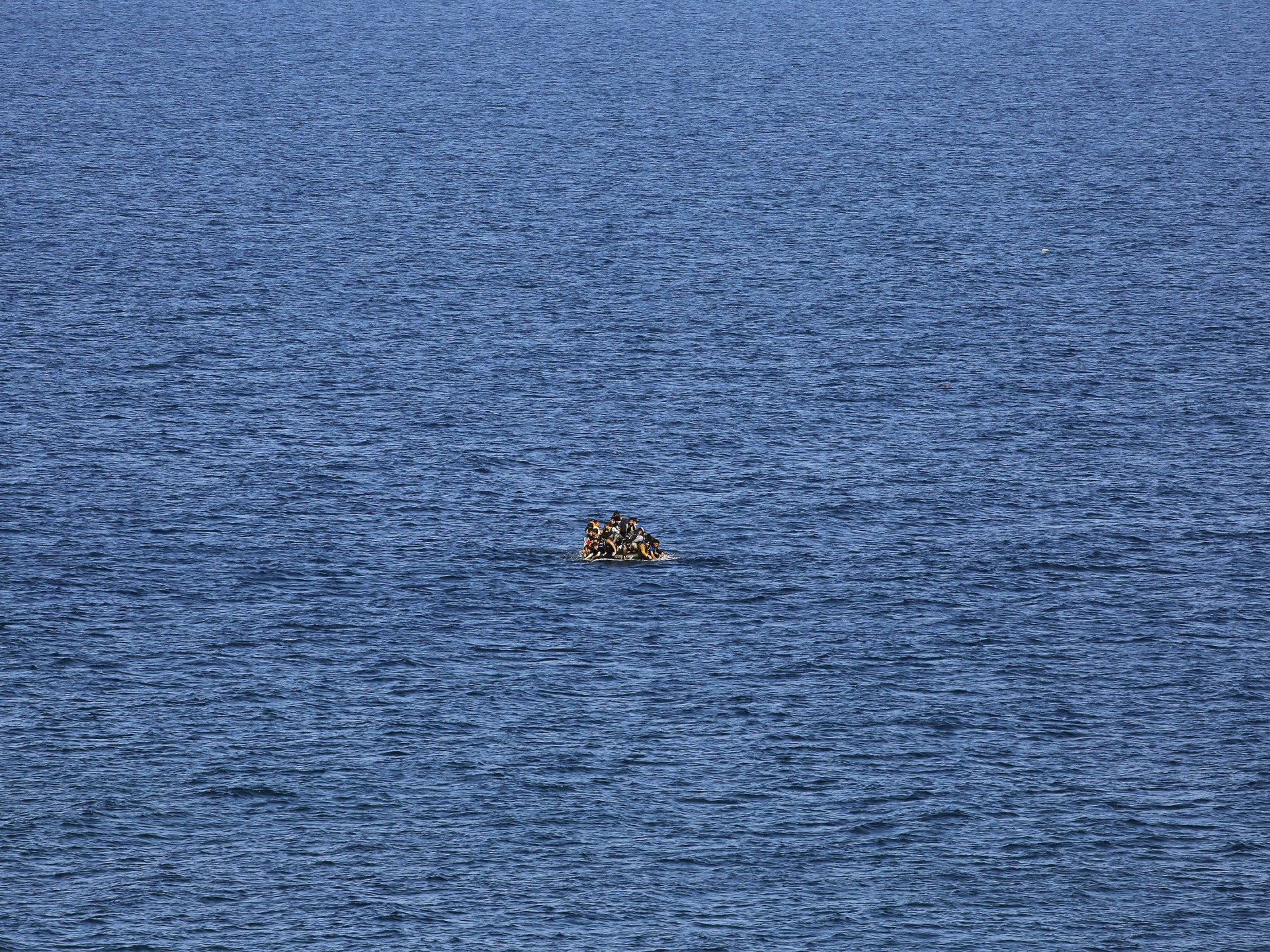
At least 13 Tunisians are missing after a migrant boat sank off the Tunisian coast while sailing towards Italy, the head of a migrant rights group said on Saturday.
Mostafa Abdelkebir, who leads the Tunisian Observatory for Human Rights, told Reuters the boat had set off early on Thursday and that two people were rescued. One of the survivors told rescuers in a local boat that they had been stranded at sea for hours after the vessel capsized. The second survivor was in critical condition.
Figures still moving
The toll and the rescue count differ by source, and both were still shifting on Saturday.
Tunisian National Guard spokesman Houcem Eddine Jebabli told Mosaique FM radio that at least 14 people were missing, that the boat sank 14 nautical miles off the coast of Zarzis overnight from Friday into Saturday, and that one person had been rescued so far. The National Guard did not say whether there were any confirmed deaths.
Abdelkebir later posted on Facebook that four bodies had been found, but said it remained unclear whether they belonged to passengers from the boat.
The Reuters account carried by Ada Derana, filed earlier in the day, gives the lower figure of 13 missing and two rescued.
A route under pressure
Tunisia was once a major departure point for migrants crossing the Mediterranean, but departures have fallen sharply over the past two years amid a crackdown and tighter maritime controls backed by European funding and border-monitoring equipment, particularly from Italy.
Human Rights Watch, Amnesty International and dozens of other human rights and humanitarian groups said in a statement last month that the EU-Tunisia migration deal had fuelled and normalised serious abuses against migrants and asylum seekers in Tunisia. The groups called on the EU to suspend funding for migration and border-control activities involving Tunisian security forces.
Tunisia has not commented on that statement but has repeatedly said it is bearing the brunt of a major migration influx. President Kais Saied said in 2023 that the influx was aimed at changing the country’s demographic makeup.
The central Mediterranean is one of the world’s deadliest migration routes, used by people from Africa and the Middle East seeking to reach Europe, often in overcrowded or unseaworthy boats.