Iran said it will step up efforts to address the damage US sanctions have done to its economy, while a senior official warned that any further attack on the country would draw a “painful response,” Ada Derana reported on Sunday.
Parliament Speaker Mohammad Baqer Qalibaf said Washington should understand that the rules of the game in the war against Iran have changed “before it is too late.”
“From now on, any attack against Iran’s interests and security will receive a faster, heavier and more painful response,” he said in a speech published on his Telegram channel and carried by Hiru News.
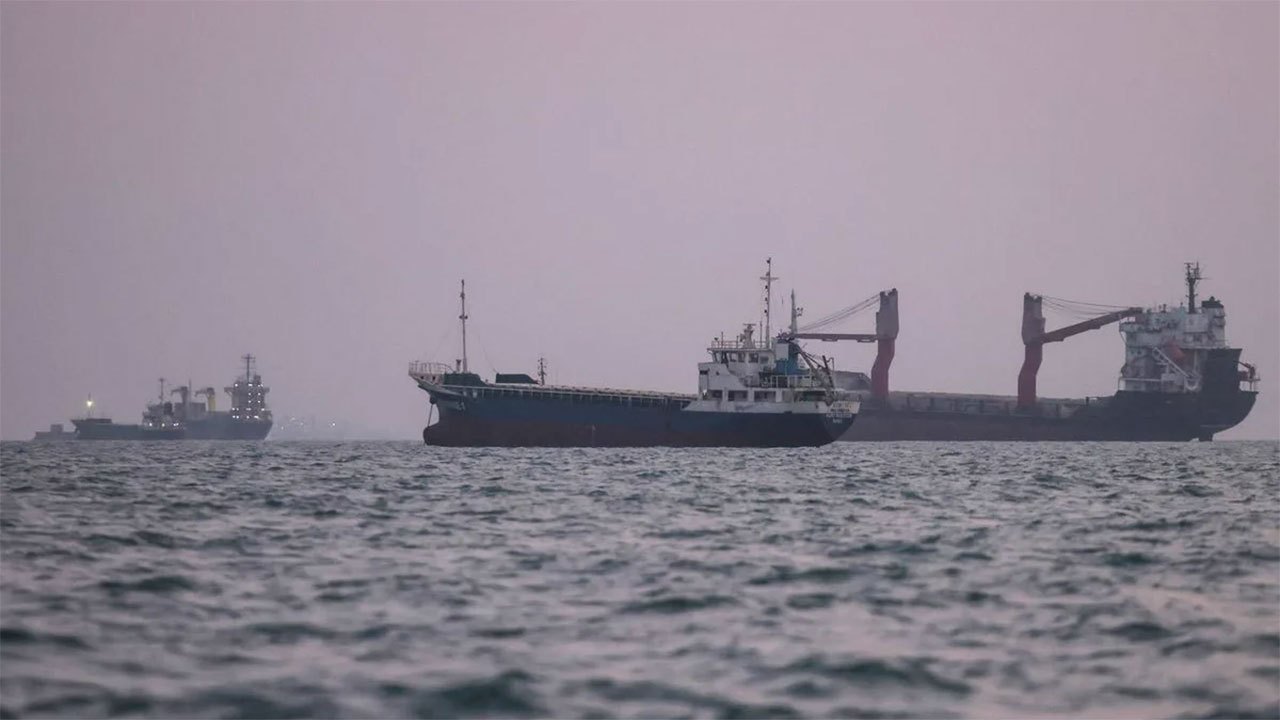
The statement follows a weekend escalation in which US Central Command said it struck three Iranian tankers on Saturday after the Islamic Revolutionary Guard Corps launched ballistic missiles at two US Navy ships. Six months after the US-Israeli strikes on Iran, the conflict is at a stalemate: a preliminary ceasefire reached in June has unravelled, and tit-for-tat strikes resumed after a lull.
Livelihoods as the second front
Qalibaf said Iran’s main battle now runs alongside the military one — over production and people’s livelihoods. He cited sharp currency fluctuations, inflation, unemployment and market management as the major challenges, saying Iranians could tolerate hardship but not mismanagement or inaction.
Economy Minister Ali Madanizadeh said Tehran would answer US economic pressure with reforms, rejecting the idea that sanctions would change its course. “The responsibility of reforming Iran’s economy is with its government and people, not with the US Treasury,” he said, according to state media. Economy Ministry deputy Morteza Zamanian said the ministry’s “Economic War Headquarters” was doubling down on resolving war-related problems, the semi-official Tasnim agency reported.
Three senior Iranian sources told Reuters the US campaign to throttle the economy by blockading oil exports and curbing sanctions evasion is becoming increasingly difficult to withstand.
Kharg Island struck 550 times
Iran is OPEC’s third-largest producer and exported 90% of its crude through the Kharg Island hub before the war. Flows have been disrupted since the US blockade began in mid-April. Oil Minister Mohsen Paknejad said in a state television interview that the island had been hit around 550 times in previous months but continued to operate.
On August 31, US President Donald Trump posted a one-line message accompanied by an AI-generated video depicting Kharg Island being “blown to smithereens.” Iranian authorities have vowed a strong response if the hub is attacked.
Tehran’s own blockade of the Strait of Hormuz — through which a fifth of global oil supplies passed before the conflict — has pushed fuel prices higher worldwide ahead of US midterm elections in November.
Update: assessments say Iran’s Hormuz leverage is weakening
A fuller Reuters assessment carried later by Hiru News argues the tide may now be turning against Tehran, with Washington pursuing through an economic offensive what military force did not achieve.
Iranian insiders and regional sources describe one of the harshest squeezes in the Islamic Republic’s history: a US naval blockade and tougher sanctions curbing oil exports and restricting access to foreign currency. US and regional officials are betting that the pressure will eventually force Tehran to allow free passage through the strait, which carried about a fifth of global oil and LNG supplies.
The wager rests on a straightforward calculation — that Iran is absorbing more economic damage than it is inflicting. Choking off oil exports has cut state revenues, while disrupting shipping through Hormuz has not produced the global economic shock Tehran expected.
“The balance of power has tilted against Iran a bit.”
— Arash Azizi, Iranian analyst
Iran has lost some of its leverage over the strait because it has been unable to close it fully, Azizi said, adding that the US naval blockade was “really hitting Iran.” Tehran had expected disruption to trigger a shock large enough to drive Washington back to the negotiating table: “It hasn’t happened, really.” Other countries adapted, he said, exposing the limits of Iran’s ability to inflict economic pain.
Note the tension between the two accounts: this assessment describes Iran as unable to close the strait, where the reporting above describes an Iranian blockade of it. Neither outlet reconciles the two framings.
Whether the pressure produces concessions remains unclear, the regional sources said. Tehran has not imposed the costs it hoped would break Washington’s resolve, but has shown little sign of dropping its demands for sanctions relief, access to frozen assets and recognition of its security concerns. A new formula for resolving the standoff is now under discussion between mediators and Iran — the sources did not describe its terms.