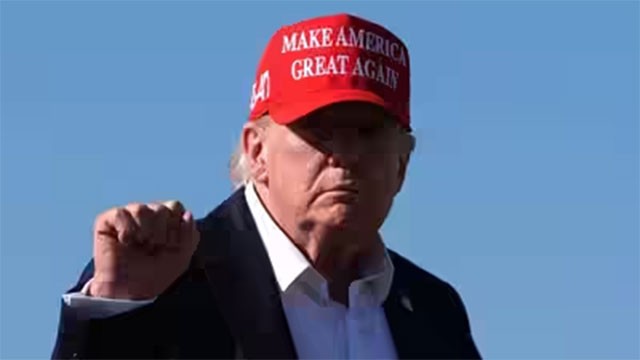
US President Donald Trump has warned the Canadian aircraft manufacturer Bombardier that it will no longer be allowed to sell in the United States unless it moves its manufacturing there.
“NO MORE SELLING BOMBARDIER IN THE UNITED STATES!” Trump wrote in a Truth Social post on Monday. “If they want our Market, they must build here, and stop treating America like a ‘piggybank.’”
The threat came hours before Canadian retaliatory tariffs on $20 billion worth of US goods were due to take effect, in an escalating trade dispute between the two neighbours.
Neither report explains how Trump intends to block the company from doing business in the US.
The company already builds in America
The threat sits awkwardly against Bombardier’s existing footprint. The Montreal-based company operates a factory in Kansas building special-mission military aircraft and employs 3,500 American workers, Ada Derana reported, citing the BBC. About half its fleet — some 5,100 aircraft — is operated by customers based in the United States.
Its jets are built at sites in Canada, the US and Mexico, and comply with the North American free trade agreement Trump himself signed during his first term, known as CUSMA in Canada and USMCA in the US.
Hiru News added that Bombardier issued a statement stressing that it employs thousands of American workers and values its partnerships with American companies. Ada Derana’s account does not carry that response, saying only that the BBC had contacted the company for comment.
What it means in Canada
Bombardier is one of Canada’s largest companies, contributing C$7.4 billion (about $5.4 billion) to national GDP in 2024 according to a report it commissioned, and is among the largest employers in Quebec’s manufacturing sector.
Quebec premier Christine Fréchette called the company “a source of pride” for the province and “a flagship” of its economy in a post on X on Monday.
The BBC said it had contacted the office of Prime Minister Mark Carney for comment.
Not reported
Neither outlet says what legal mechanism could be used to bar the company from the US market, whether existing orders or delivered aircraft would be affected, or how a ban would sit with CUSMA obligations. Neither reports a response from the Canadian government, and no timeline is given.