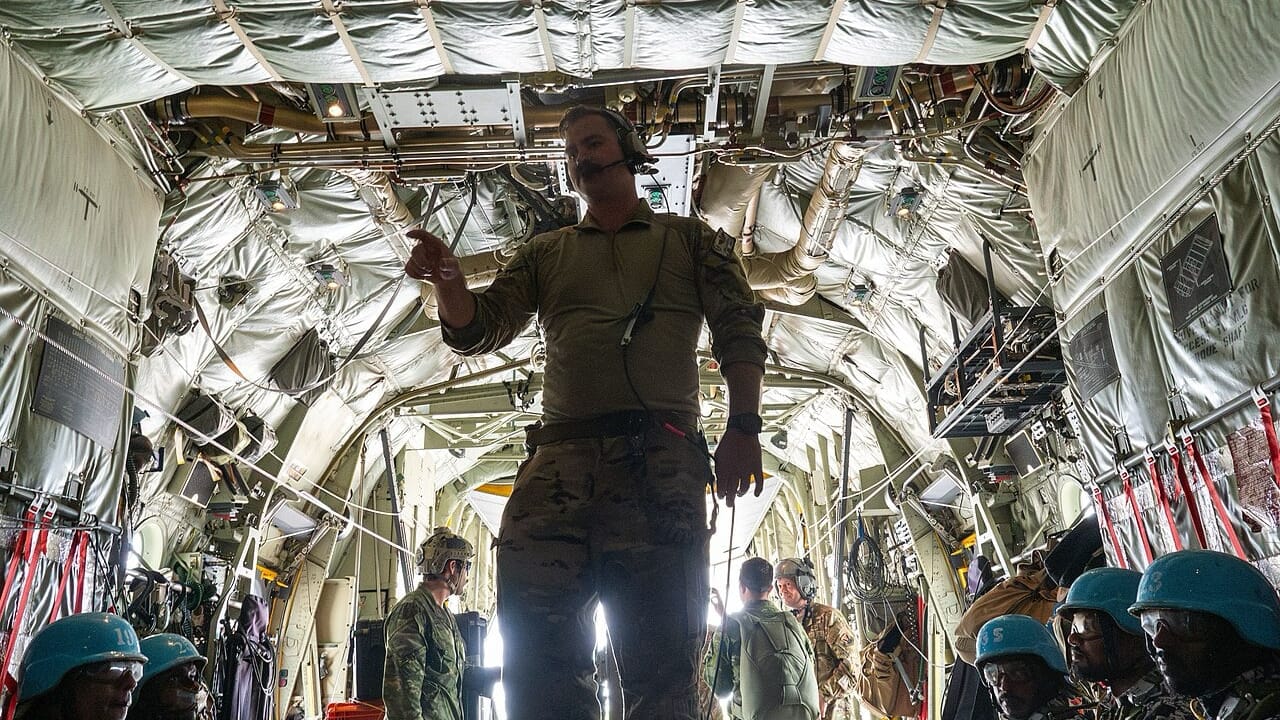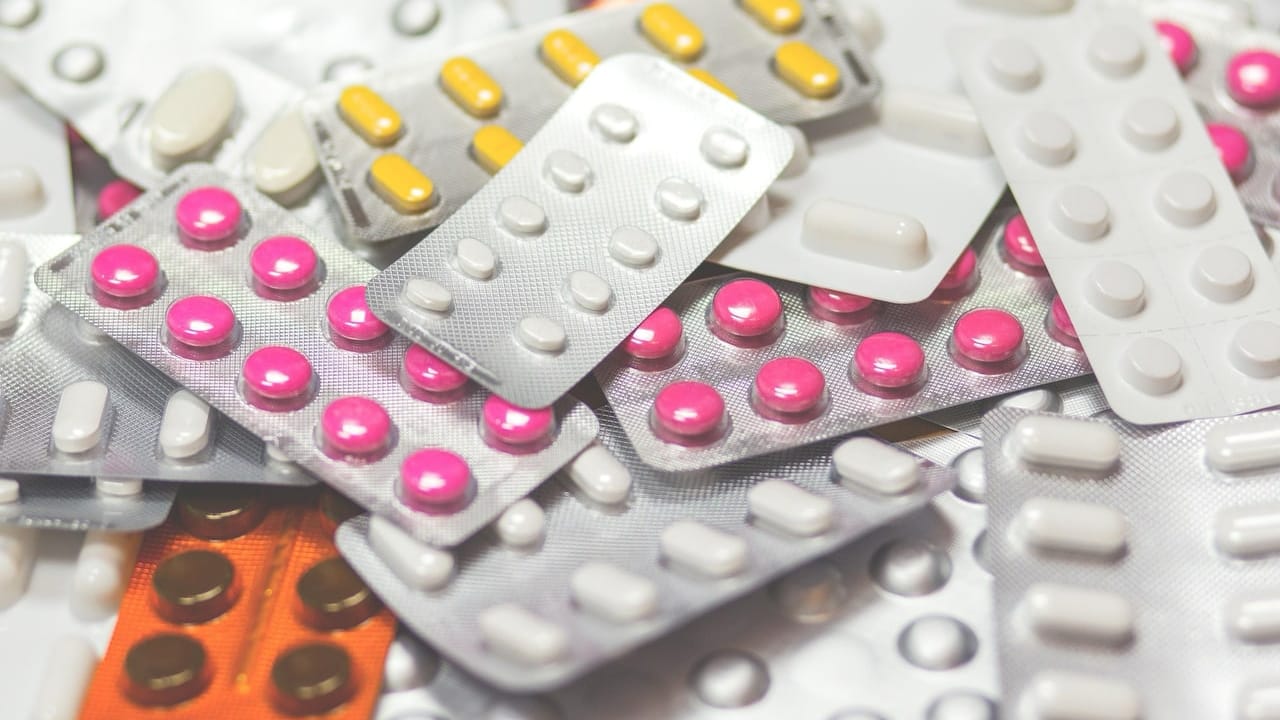
India has dispatched approximately three tonnes of anti-tuberculosis medicines to Colombo, flown in aboard an Indian Air Force C-130J transport aircraft.
The consignment was announced by Indian External Affairs Minister S. Jaishankar, who said India remained committed to supporting Sri Lanka’s public health system, Newswire reported.
A supply chain under strain
Anti-tuberculosis treatment is a category where continuity matters more than volume. TB regimens run for a minimum of six months and depend on uninterrupted daily dosing; an interruption in supply does not merely delay treatment but raises the risk of drug resistance developing in patients midway through a course.
Sri Lanka’s state health system procures most of its essential medicines centrally and has faced repeated pressure on pharmaceutical stocks since the 2022 economic crisis, with donations and concessional credit lines used to bridge gaps in specific categories.
Part of a wider health pipeline
The delivery sits alongside a run of Indian-supported health infrastructure in Sri Lanka. Indian grants are among the funding sources — with JICA loans — for the Rs. 7.1 billion of hospital projects across four districts for which the President was to lay foundation stones in September, a programme that includes an emergency complex at Mannar.
Health has been one of the steadier strands of the bilateral relationship, running through medicine consignments, hospital construction grants and equipment transfers rather than through single large agreements.
Neither the Sri Lankan Health Ministry’s own statement on the consignment nor a breakdown of which anti-TB formulations it contains had been published at the time of writing.
Update, 29 September: two verified newsrooms confirm
NewsFirst and Hiru News subsequently filed on the delivery, both giving the same quantity, the same aircraft type and the same source — Jaishankar’s own announcement.
NewsFirst added that Jaishankar made it on X, and quoted him directly: “India remains committed to supporting Sri Lanka’s public health system. About 3 tonnes of anti-tuberculosis medicines were dispatched to Colombo today aboard an IAF C130J.”
Neither outlet added a formulation breakdown or a Sri Lankan Health Ministry response.
Update, 7 October: the formal handover, and a value
The medicines were handed over at the Ministry of Health in Colombo by Indian High Commissioner Santosh Jha to Health and Mass Media Minister Dr. Nalinda Jayatissa, the Daily Mirror reported on Wednesday. Deputy Minister of Health and Mass Media Dr. Hansaka Wijemuni was also present. Hiru News carried the same figure.
The handover attached the two numbers the September filings lacked. The consignment is valued at Rs. 52 million and comprises more than 1.5 million tablets across approximately three tonnes. The drugs are described as essential first-line TB medicines — the standard combination regimen rather than the second-line agents used against drug-resistant strains. The donation was made in response to a request from the Sri Lankan Government, with the support of India’s Ministry of Health and Family Welfare.
That answers two of the three questions this article left open: a Sri Lankan Health Ministry occasion for the consignment now exists, and the formulation class is identified. A formulation-by-formulation breakdown is still not published.
One consignment or two — what the filings actually say
This desk records a limitation rather than resolving it. The October filing describes a handover of approximately three tonnes of anti-TB medicines, which is the same quantity Jaishankar announced as airlifted on 29 September, and the Daily FT’s account of the airlift gives the same three tons again. On the face of it this is the formal handover of the consignment already flown in — an eight-day gap between an aircraft landing and a ministerial ceremony is unremarkable.
But no filing says so. The Daily Mirror report makes no reference to the September airlift, and none of the September reports anticipated a later handover. A second, separately airlifted three-tonne consignment within eight days cannot be excluded on the published record, only judged unlikely. The matching quantity is treated here as strong evidence of one consignment in two stages, and not as a reported fact.
This matters beyond pedantry: India-to-Sri-Lanka medical consignments are a recurring story with near-identical wording between editions, and a dispatch and its handover read almost the same in a headline. Readers encountering both filings separately would reasonably conclude Sri Lanka received six tonnes.