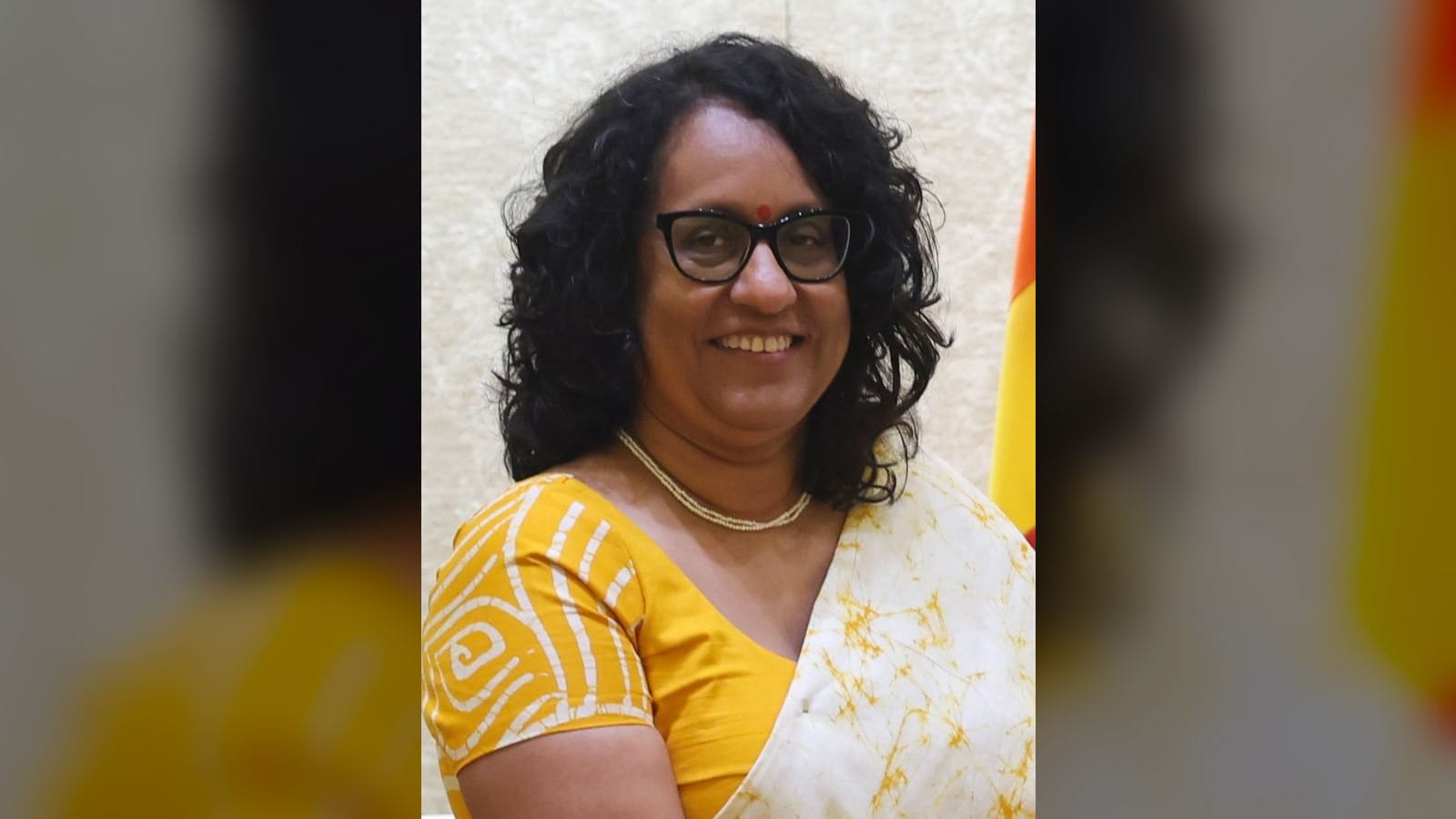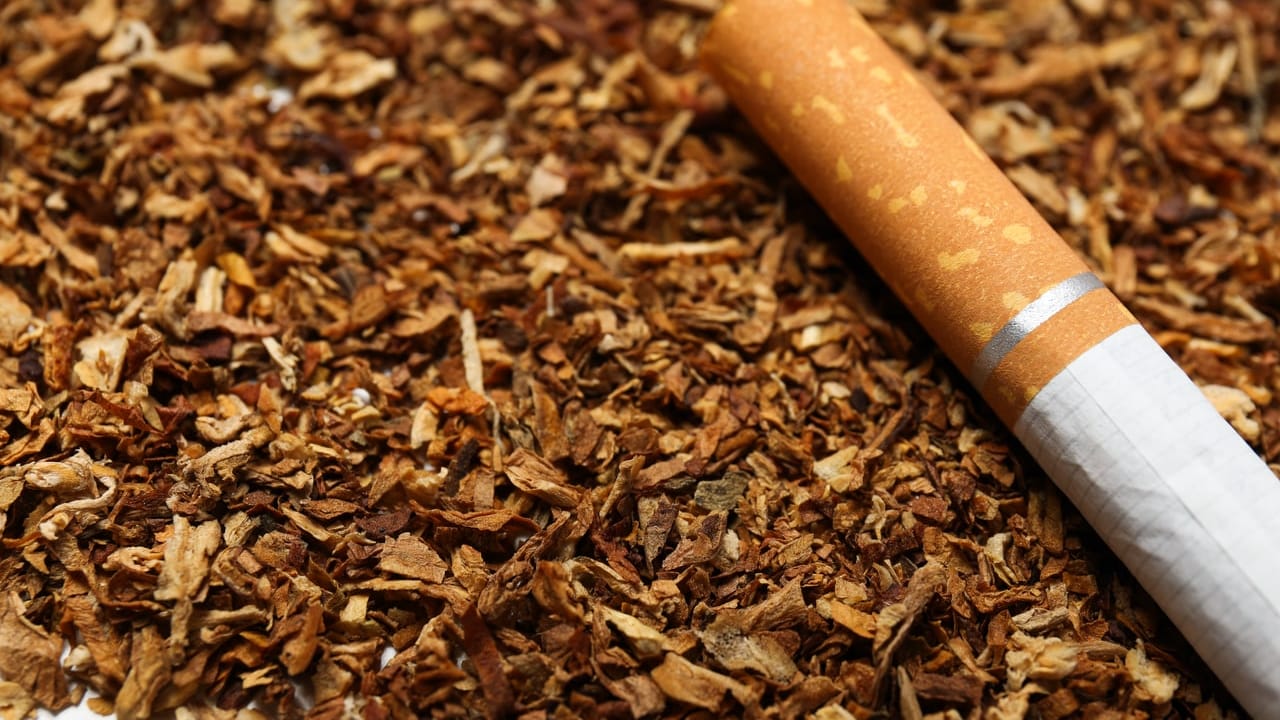
More than 300 women from Hambantota District travelled to Colombo last week to press the government to adopt a “Tobacco-Free Generation” policy, handing President Anura Kumara Dissanayake a petition carrying close to 10,000 signatures.
The demonstration outside the Presidential Secretariat was organised by the Hambantota Women’s Development Federation and drew participants from across the district, Daily FT reported. It was peaceful, and went ahead despite the adverse weather affecting the island.
What the policy would do
The Tobacco-Free Generation framework is designed to phase smoking out permanently rather than reduce it. Instead of raising the legal age, it fixes a birth date: the proposal would ban the sale of all tobacco products to anyone born in or after 2010.
The mechanism works by never opening. Children born in 2010 turn 21 in 2031 — the age at which they would otherwise be able to buy tobacco legally — and under the policy that threshold would simply never arrive for them, or for anyone born later. The cohort ages past the legal purchase age without ever acquiring the right, and the eligible market closes from the bottom up as each year passes.
Two years of proposals, and no Cabinet paper
The policy has been put to the Health Minister repeatedly. The Sri Lanka Medical Association formally proposed it on two separate occasions, in 2024 and 2025. In 2026 the National Authority on Tobacco and Alcohol, together with the SLMA, submitted it to the Minister again.
Its status remains the same after all three submissions: the proposal has still not been put before Cabinet for approval. That is the gap the petition is aimed at — not a decision pending before ministers, but a proposal that has not yet been placed in front of them.
That distinction explains why the campaign has come from outside the health establishment. The medical bodies have exhausted the route available to them by submitting the proposal to the minister; a petition from 10,000 signatories in a single district applies a different kind of pressure at the point where the proposal has stalled.
Sourcing. Daily FT’s account is the only one located from a verified newsroom. The Island carries a headline on the same subject — “Appeal for tobacco-free generation policy in Sri Lanka” — but the page returns an unrelated article in its place, and could not be used. Note also that the protest took place last week, not on the day of publication; Daily FT does not give the exact date.
Update, 7 October: a public rebuttal to the policy’s critics
The proposal has now drawn a sustained public defence. Dr. Dineth Bandara argued that the tobacco industry, not smokers, would be the policy’s biggest financial loser, the Daily Mirror reported. “Someone does stand to lose money,” he said — and in his account that is an industry dependent on replacing smokers who quit, fall ill or die.
The mechanism he describes is the one set out above and is not new. What is new is the case built on it.
On who bears the burden. The restriction falls on sellers, Bandara said, and would not criminalise young people for possessing or attempting to obtain tobacco. He framed the policy as preventing new smokers from replacing those who leave the market, using a bathtub analogy: existing smokers are the water already in the tub, new smokers the water coming in through the tap. Taxation, education and cessation services reduce the inflow; a tobacco-free generation policy is intended eventually to turn the tap off.
On the health stakes. He cited estimates that tobacco kills around 22,000 Sri Lankans each year.
On illicit trade. Bandara rejected the claim that the policy would necessarily drive a large increase in illicit sales, arguing that Bhutan and South Africa — where broader tobacco restrictions created their own enforcement problems — are not directly comparable to a generational sales restriction. He accepted illicit tobacco as a genuine enforcement issue, but warned against treating unverified or industry-generated estimates as the sole basis for assessing the proposal’s impact.
On price. Concerns about cigarette prices are beside the point, he said, because the policy would not raise them.
On precedent. He pointed to the Maldives and the United Kingdom, and to Norway’s tobacco-control strategy, which includes a goal of preventing tobacco and nicotine use among people born from 2010 onwards — the same cohort year as the Sri Lankan proposal.
He argued that taxation, education, cessation services and enforcement should continue alongside a tobacco-free generation policy rather than being treated as alternatives to it.
A caution on attribution
The Daily Mirror does not state Dr. Bandara’s affiliation, title or institution, and no independent record of his role in Sri Lankan tobacco control could be located. His arguments are plainly made from a public-health position and against the industry’s, but readers should note that the capacity in which he speaks is not established by the reporting — whether as a clinician, academic, campaigner or official. No reply from the tobacco industry or from any named critic of the policy is carried.
The proposal’s status is unchanged by this exchange: it has still not been placed before Cabinet.