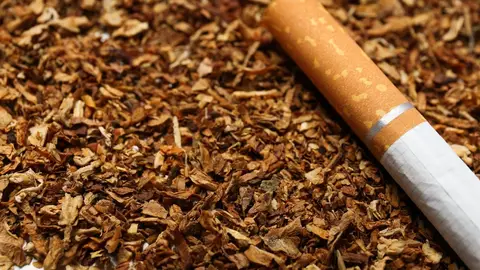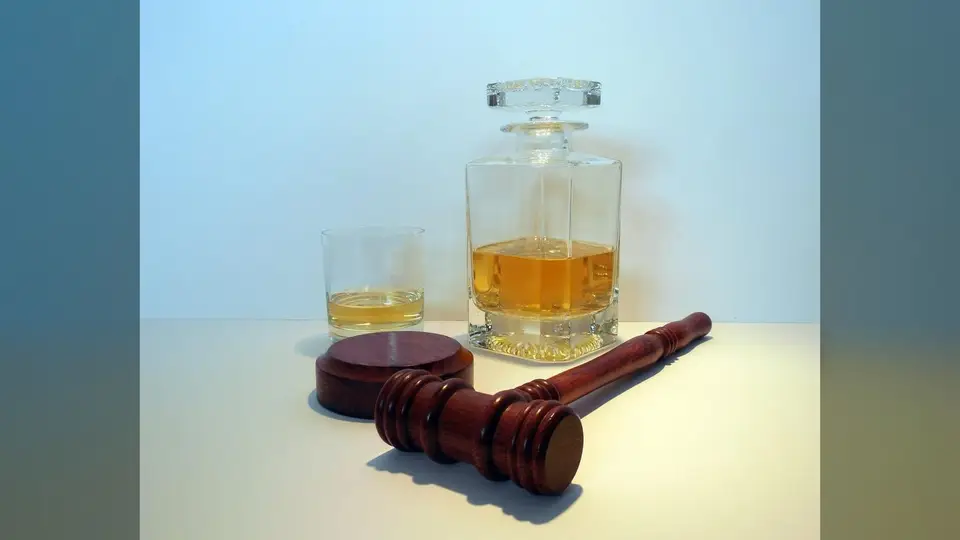
The National Authority on Tobacco and Alcohol (NATA) says health and economic losses from alcohol and tobacco in Sri Lanka come to Rs549 billion, well above the Rs346.9 billion the state collects in tax from the two products, EconomyNext reported on Thursday (26 November).
NATA Chairman Ananda Rathnayake gave the figures to a subcommittee of Parliament’s Committee on Public Enterprises, drawing on what EconomyNext called a recent Ministry of Health study. Alcohol accounts for Rs335 billion of the losses against Rs254 billion in tax. For cigarettes he put the damage at Rs214 billion against Rs92.9 billion in tax, a revenue figure EconomyNext says rests on 2019 data. The presentation also said cigarettes kill 22,000 Sri Lankans a year, about 60 a day.
Rathnayake called it a myth that the revenue is massive, saying the economic cost is far higher. He said cigarette tax is 66 percent of the retail price, short of the World Health Organization’s 75 percent benchmark, and that it was not raised while other prices surged during the economic crisis. Sri Lanka’s four-tier structure, based on cigarette length, lets manufacturers get round increases, he said: “The moment taxes are raised, the tobacco company makes the exact same cigarette two millimeters shorter, selling it even cheaper than before.” Annual output has fallen from 6,000 million sticks 20 years ago to nearly 2,000 million.
NATA also pointed out that the Finance Ministry has no representative on its 14-member Management Board. It said legal amendments to add the Treasury have been sent to the Health Minister. The subcommittee said Treasury representation is essential given the link between taxation and health costs.
Background
This desk reported on 23 November that the ADIC estimates alcohol-dependent Sri Lankans spend about Rs 560 million a day. On 13 October it covered the cigarette tax dispute, in which the industry said taxes exceed 80 percent of the retail price and a think tank put them at 67 percent.
Not reported: EconomyNext does not say when the subcommittee met, whether the Rs549 billion is a yearly or cumulative figure, or which year the alcohol numbers cover. It dates only the cigarette tax figure (2019). The Ministry of Health study is not named, and no Treasury response is given.
Sourcing: one verified newsroom, EconomyNext. No second report was found.