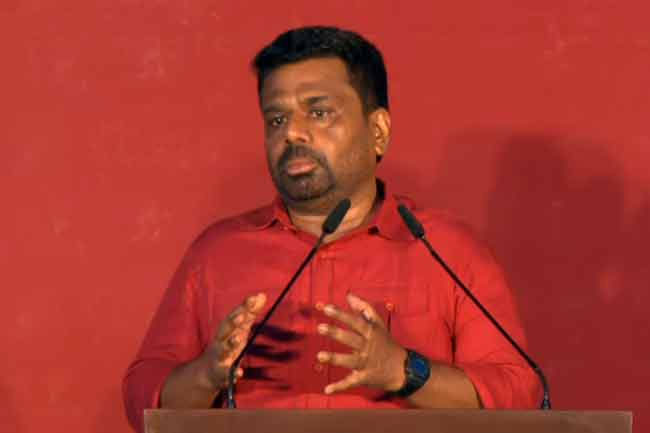
President Anura Kumara Dissanayake said on Friday that the government may have to implement small-scale fuel price increases as the energy sector slips deeper into crisis, the first time the head of state has pre-signalled an imminent revision to administered pump prices.
Addressing the National People’s Power’s Colombo District May Day rally, Dissanayake said the actual cost of a litre of diesel had reached Rs. 482 while consumers were paying Rs. 382 because the government provides a Rs. 100 per litre subsidy through the Ceylon Petroleum Corporation and other institutions.
“However, prices continue to escalate. We may have to implement small-scale fuel price increases, but we are working to provide the maximum possible subsidies. There is a crisis in the energy sector; coal prices have risen, and fuel prices have gone up,” he said.
The President said Rs. 60 billion had been allocated to maintain fuel subsidies despite the continued increase in global fuel prices, the figure announced as part of the Rs. 100 billion concessional package tabled in parliament in mid-April.
Dissanayake also flagged pressure in the electricity sector. Rising coal prices and reduced reservoir water levels had increased generation costs, he said, but the government had decided to provide electricity subsidies to 96 percent of consumers without imposing a tariff increase, allocating Rs. 15 billion for that purpose.
The acknowledgement is qualitatively new from earlier government messaging that the Rs. 100/litre relief and the Rs. 60 billion fuel subsidy envelope would hold prices steady through the Hormuz disruption. Dissanayake’s framing of a “crisis” alongside open hints at a price revision suggests the subsidy framework may not absorb the full extent of the shipping-cost premium and reservoir-driven generation pressure embedded in the energy bill.
Source: Ada Derana.