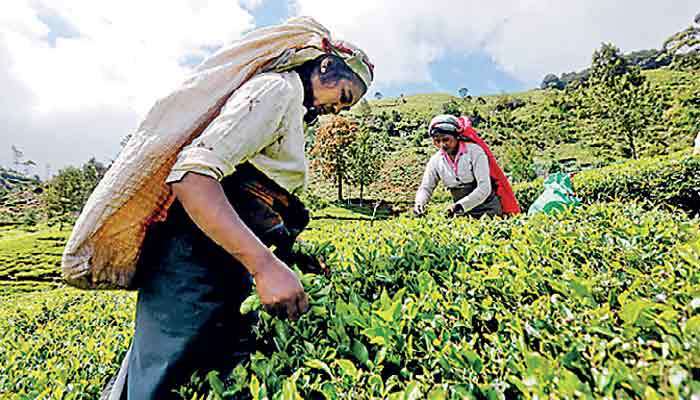
Sri Lanka’s tea production declined sharply in April 2026, with weak Low Grown performance dragging the national crop down 8.5% year-on-year, the Daily FT reported on Saturday.
Extremely dry weather conditions and reduced fertiliser application by smallholder farmers during the previous quarter combined to weigh on output, the paper said, citing industry data. Low Grown tea — the cluster grown below 600 metres and dominated by smallholders in the south of the country — accounts for the largest share of the national crop and the bulk of Sri Lanka’s bulk-tea exports to the Middle East.
The April decline extends a difficult run for the sector. The Planters’ Association has previously warned of Gulf-crisis pressures on Ceylon tea exports, with shipping costs and demand uncertainty compounding crop-side stress. National goods-export data for March already showed a 4.94% fall in shipments led by apparel and tea, tightening foreign-exchange inflows at a time when the rupee is at a record retail low of 332.
Smallholder cutbacks on fertiliser are the politically charged element of the production picture. National Fertiliser Secretariat data this week showed Yala-season urea distribution running short of demand, while open-market prices have risen well above the controlled rate — a pattern Sri Lanka tea smallholders share with paddy farmers.
The April figure follows a soft March and points to a weaker quarter for the country’s most globally recognised agricultural export at a moment when Treasury is leaning on dollar earnings to stabilise the currency.