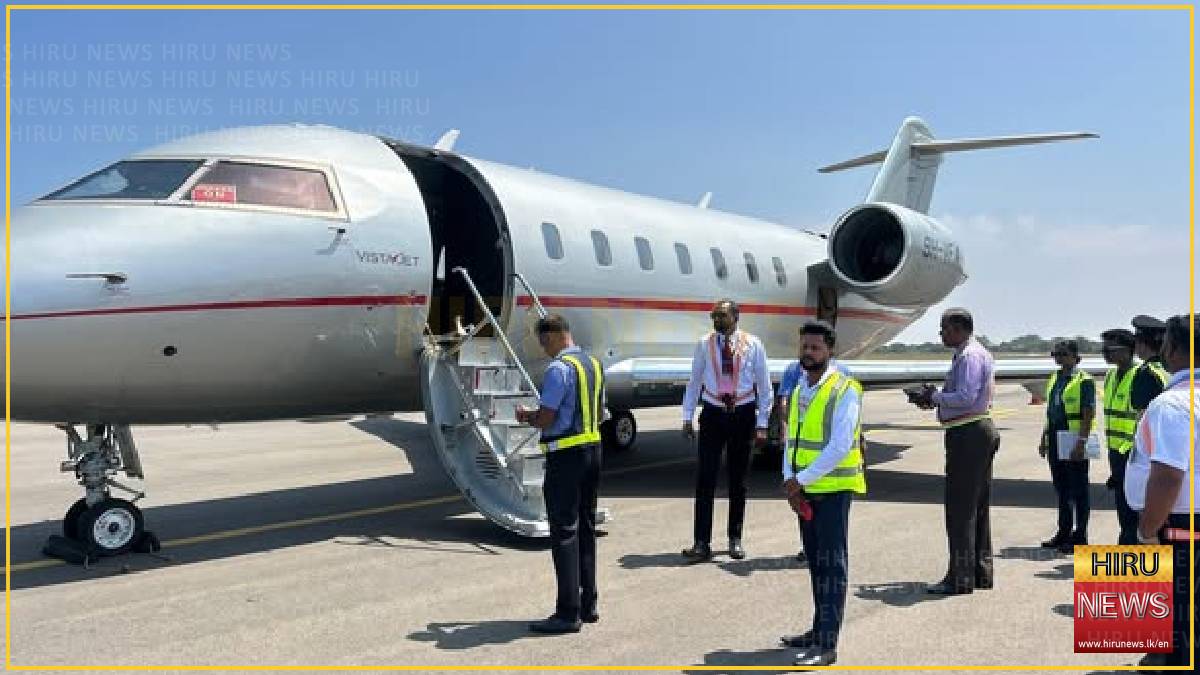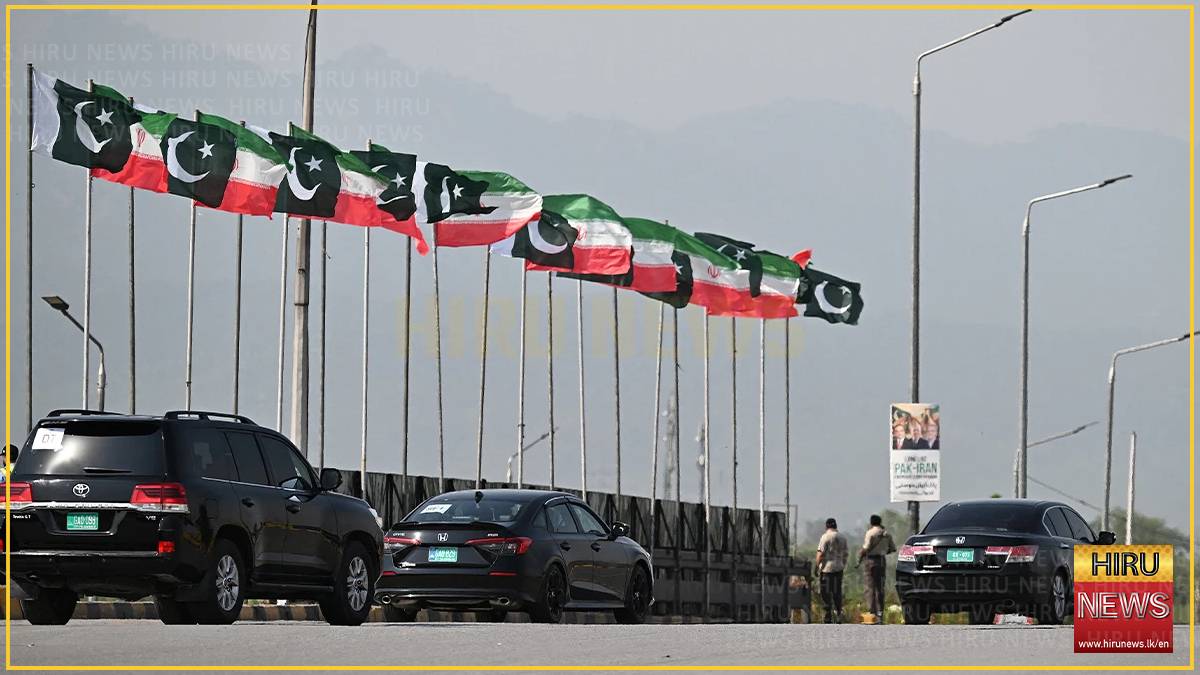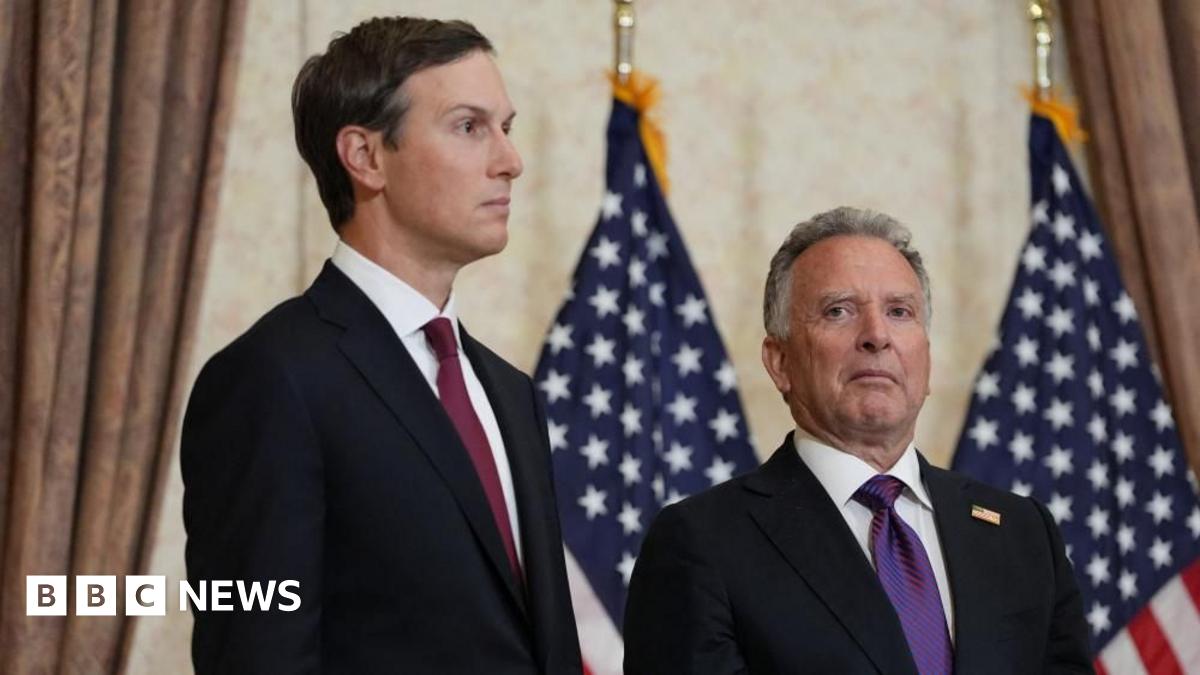
Iranian Foreign Minister Abbas Araghchi arrived in Islamabad on Friday evening to discuss proposals for restarting peace talks with the United States, as the White House confirmed that US special envoys Steve Witkoff and Jared Kushner will travel to Pakistan on Saturday morning.
White House press secretary Karoline Leavitt said “the Iranians want to talk” and that Vice President JD Vance was “on standby” to travel if negotiations prove successful. Leavitt added that the administration had seen “some progress from the Iranian side in the last couple of days.” Vance led an earlier unsuccessful round of talks this month.
US President Donald Trump told Reuters that Iran plans to make an offer aimed at satisfying US demands, though he said he did not yet know what it entailed. Asked who Washington was negotiating with, Trump said: “I don’t want to say that, but we’re dealing with the people that are in charge now.”
Iran’s foreign ministry spokesman Esmail Baqaei said no meeting was planned between Iran and US representatives. Araghchi would focus on “bilateral matters” with Pakistani high-level officials, and Iran’s observations would be “conveyed to Pakistan,” he said. Araghchi went straight into a meeting with Pakistani Foreign Minister Ishaq Dar at the Serena Hotel, where the earlier US-Iran round was held.
US Defence Secretary Pete Hegseth said Tehran had an “open window” to make a “good deal” by abandoning nuclear weapons “in meaningful and verifiable ways.” He also warned that the US Hormuz blockade was “growing and going global”, signalling continued military pressure even as diplomacy proceeds.
Qatar’s Emir Sheikh Tamim bin Hamad Al Thani pledged support for Pakistan’s mediation in a phone call with Trump. The diplomatic push follows Iran’s earlier framing that Araghchi’s trip was bilateral only, not a formal US-Iran round — a position that appears to be narrowing as the US delegation arrives. A breakthrough would directly ease Sri Lanka’s fuel import squeeze through the Strait of Hormuz.