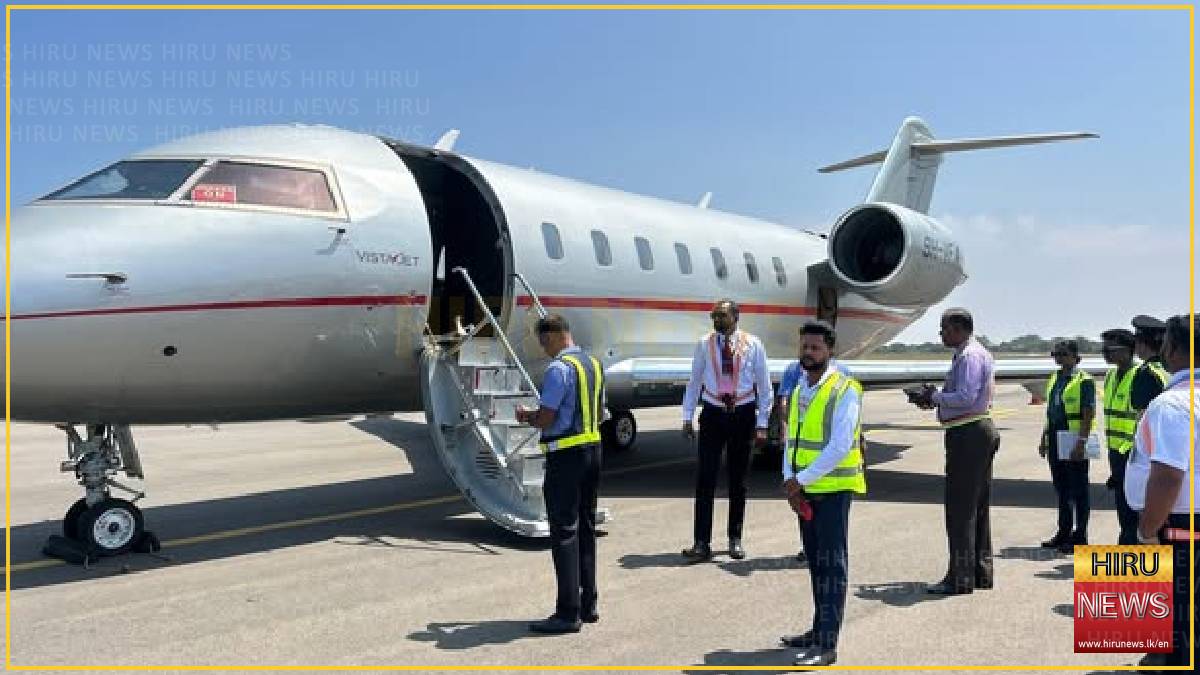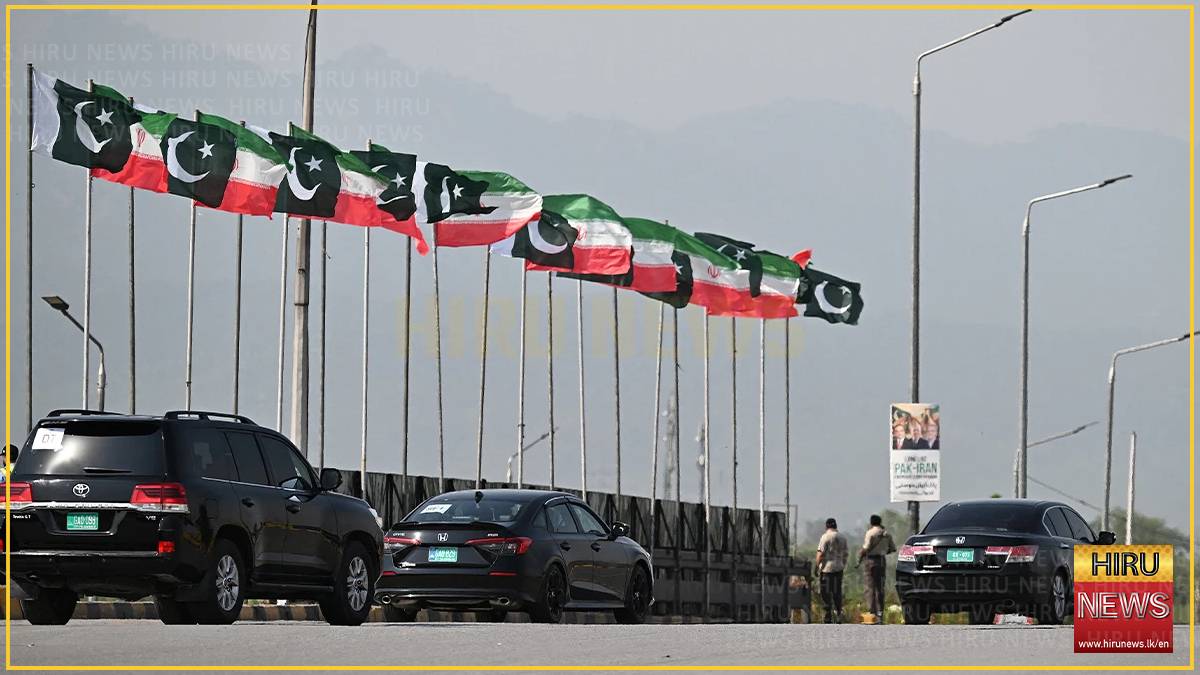
Iran has clarified that Foreign Minister Abbas Araghchi’s trip to Islamabad is a bilateral visit, not a formal second round of US-Iran negotiations, walking back the framing of earlier Pakistani statements signalling a resumption of Tehran-Washington talks.
Writing on X on Thursday, Araghchi said his visits to Islamabad, Muscat and Moscow were to “closely coordinate with our partners on bilateral matters and consult on regional developments.” BBC’s Pakistan correspondent, citing Iranian sources, reported there will be “talks about talks” but not a direct meeting with the US. Vice President JD Vance had been expected to fly to Islamabad earlier this week, but Air Force Two never took off and Trump subsequently announced an extension to the Israel-Hezbollah ceasefire. Whether any US official will attend remains unclear.
The clarification came as European leaders meeting in Cyprus with counterparts from Egypt, Syria and Lebanon opened a new diplomatic track. German Chancellor Friedrich Merz told EU leaders the bloc was willing to “gradually ease sanctions on Iran in the event a comprehensive agreement is reached.” EU Council President António Costa said the Strait of Hormuz must “immediately reopen without restrictions and without tolling,” calling it “vital for the entire world.” EU foreign policy chief Kaja Kallas warned that a weak deal risked producing “a more dangerous Iran” than after the 2015 nuclear agreement.
BBC Verify, citing MarineTraffic data, reported that two US-sanctioned vessels were transiting Hormuz on Thursday: the crude oil tanker Yuri had begun crossing overnight before halting near Larak Island, while the chemical tanker Avon was heading into the Gulf of Oman toward the US blockade line.
The EU’s willingness to offer concrete sanctions relief is a qualitatively new diplomatic opening, distinct from the earlier EU sanctions expansion tied to the Hormuz blockade and from the stalled US-Iran track.