Iranian Foreign Minister Abbas Araqchi held separate telephone conversations with his counterparts from Saudi Arabia, Qatar and Egypt on Saturday to discuss diplomatic efforts to end the war between Iran and the United States and Israel, NewsFirst reported on Sunday, citing Tasnim News Agency.
Araqchi briefed Saudi Foreign Minister Faisal bin Farhan Al Saud on what Tehran described as the latest developments in efforts to contain tensions and secure an end to the campaign launched by the United States and Israel against Iran.
In separate calls with Qatari Foreign Minister Mohammed bin Abdulrahman Al Thani and Egyptian Foreign Minister Badr Abdelatty, Araqchi exchanged views on regional consultations intended to prevent further escalation and permanently end the war.
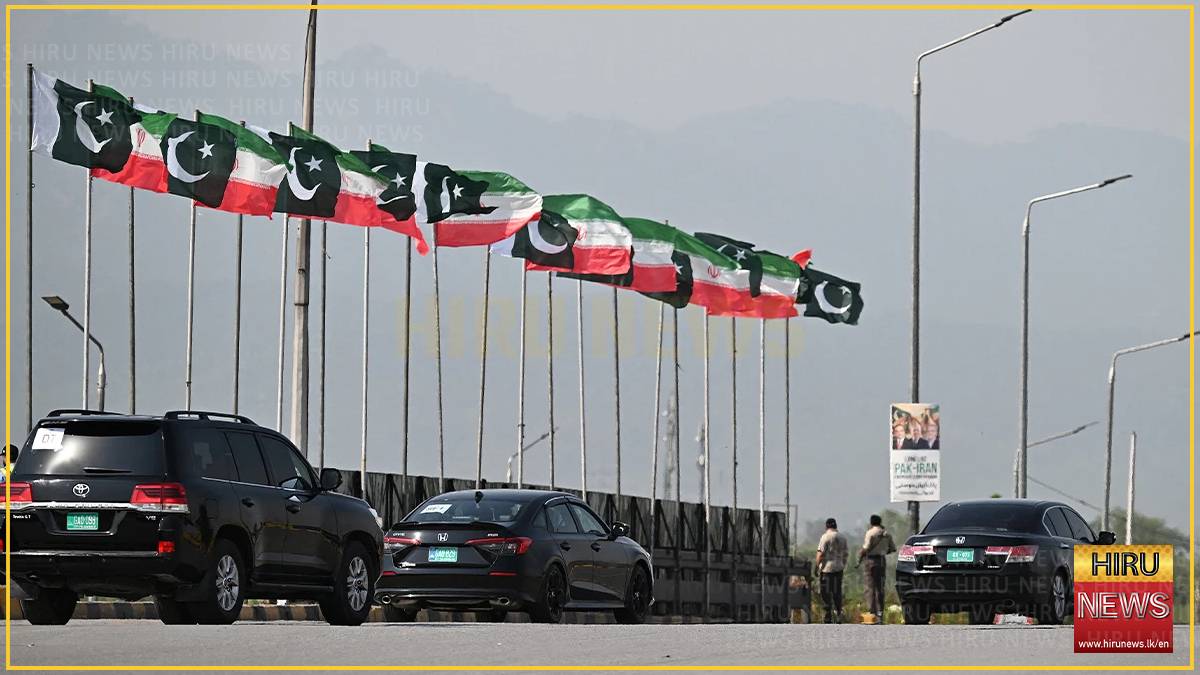
Tehran characterised the Pakistani-mediated channel as a “constructive diplomatic path” and said messages were continuing to be exchanged between Tehran and Washington through Islamabad. Iranian officials maintained that any potential understanding must include a complete halt to hostilities and respect for what Tehran called Iran’s sovereignty and legitimate rights.
The round of calls comes a day after US President Donald Trump said a wider regional agreement involving Iran and eight Middle Eastern countries was “largely negotiated” and the Strait of Hormuz would reopen under the proposed framework. Saudi Arabia, Qatar and Egypt are among the eight states Trump named in his statement.
The diplomatic flurry coincided with Tehran’s closure of western airspace on Saturday over fears of further US strikes, suggesting both tracks — military preparedness and regional consultation — are running in parallel as Islamabad-mediated messaging continues. Pakistan’s army chief travelled to Tehran on Friday as part of efforts to secure a political solution.
US Secretary of State Marco Rubio said on Friday in New Delhi that talks had made “some progress, but not there yet”, while Iranian Foreign Ministry spokesman Esmaeil Baqaei used the word “converging” to describe the state of negotiations.
A confirmed Hormuz reopening would directly ease Sri Lanka’s fuel supply pressures, which have driven CPC diesel costs above $281 per barrel on recent shipments and contributed to rupee depreciation.
Source: NewsFirst.