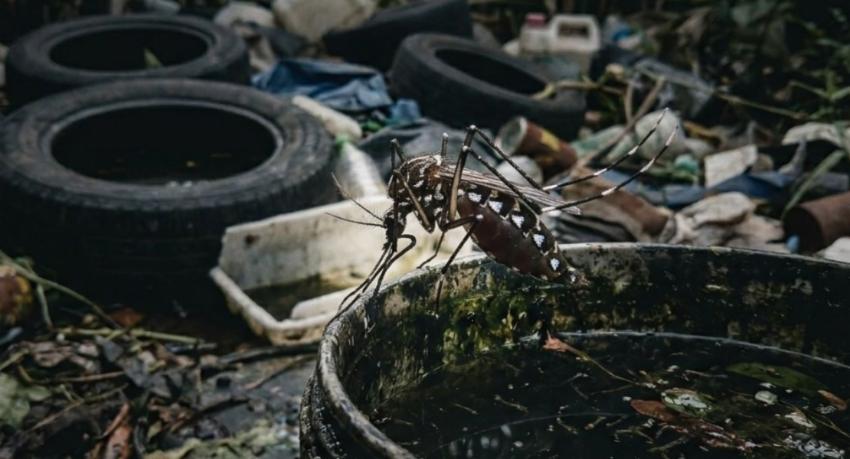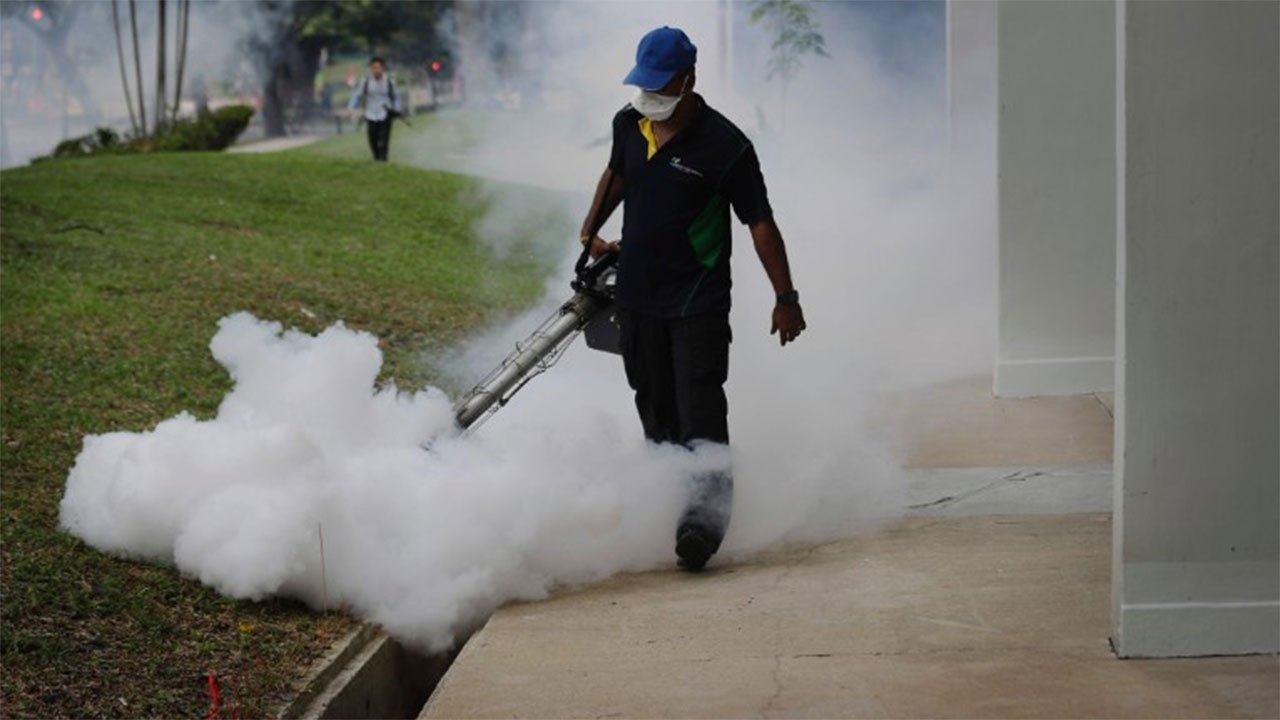
Inspectors found dengue mosquito larvae in 50 of 189 state institutions and in 2,097 premises overall on the first day of Sri Lanka’s national three-day dengue prevention programme, the National Dengue Control Unit (NDCU) said.
Of 31,196 total premises inspected on June 8, 2,097 carried dengue mosquito larvae. The breakdown showed 50 government institutions with larvae out of 189 inspected, and 1,760 residences with larvae out of 28,230 homes checked, with a further 7,088 of the residences classified as potential breeding sites.
The unit said schools and active construction sites recorded significantly higher mosquito breeding than the average, flagging both for intensified inspection in the coming days.
The Day 1 figures come from the national 3-day prevention drive launched across 74 MOH divisions on June 8 and are the first granular post-launch numbers from the campaign. Cumulative dengue case counts for 2026 have continued to climb through the year, with the Epidemiology Unit reporting 33,572 cases and 19 deaths by June 1 and the western province bearing the heaviest load.
NDCU has previously attributed the post-cyclone proliferation in mosquito breeding sites partly to debris and stagnant water left over from Cyclone Ditwah, particularly in low-lying urban catchments. The 50-out-of-189 state-institutions figure is one of the highest contamination rates publicly reported for government premises this year and will put pressure on individual ministries and provincial councils to clean up their own sites ahead of the next inspection round.
Update — June 10: Day 2 results and two-day aggregate
Inspectors checked another 31,155 premises on Tuesday June 9, identifying 8,069 as potential breeding sites and detecting dengue larvae at 1,864 locations, the National Dengue Control Unit said in a progress report cited by Newswire. Authorities issued 1,079 notices and initiated legal action against 711 persons on Day 2 alone.
Over the first two days of the drive, 62,351 premises have been inspected; 16,190 (26 percent) flagged as risky for mosquito breeding; larvae detected at 3,948 locations; 2,244 notices issued; and legal action started against 1,500 people. Residential properties account for the bulk of inspections at 57,008, of which 14,291 were found to contain breeding sites.
By category, more than half of the factories (61 percent), construction sites (55.4 percent) and religious institutions (51.5 percent) checked were conducive to mosquito breeding. Schools (44.7 percent) and government institutions (40.4 percent) followed, with the highest larvae-detection share recorded at residential premises (58 percent) and construction sites (22.4 percent). The three-day national drive concludes on June 10.
Update — June 11: Three-day total tops 6,200 larvae sites
The cumulative larvae-detection tally rose above 6,200 sites by the close of the three-day drive, NewsFirst reported on Wednesday, citing the National Dengue Control Unit. Health officials said the crackdown will now be extended through additional follow-up rounds as NDCU prepares to roll into its Dengue Control Week from June 15 with all provincial health teams mobilised. The Ditwah debris overhang and intensified pre-monsoon rains continue to drive new breeding clusters across the western and southern provinces, the unit said.