The National Dengue Control Unit on Tuesday launched a special eradication programme targeting 43 Medical Officer of Health divisions identified as high-risk zones, as the year’s caseload climbed past 26,000.
Dr. Prashila Samaraweera, Consultant Specialist at the NDCU, said the spread of dengue is rising across six districts, with 26,071 patients recorded so far this year and 13 deaths confirmed. The figures mark a steady increase from the 25,846 cases and 12 deaths reported earlier this month, when the special programme was first announced.
The 43-division targeting marks a more granular intervention than the earlier district-level framing, allowing teams to focus inspections, fogging and breeding-site clearance on the highest-incidence neighbourhoods rather than spreading effort thinly across whole districts.
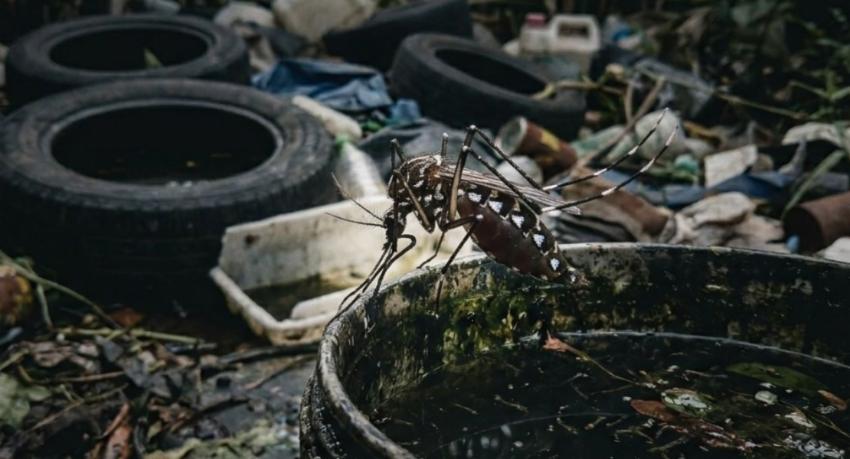
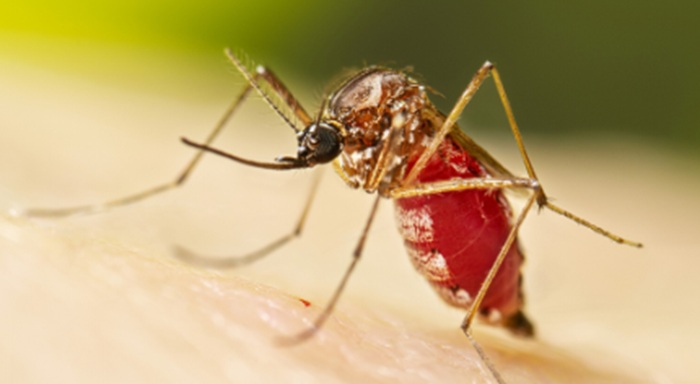
Dr. Samaraweera urged the public to maintain clean surroundings, stressing that household-level vigilance against stagnant water in containers, rooftops, tyres and discarded receptacles remains the single most effective brake on Aedes mosquito breeding.
Sri Lanka’s annual dengue cycle typically peaks twice — once around the south-west monsoon onset in May and June, and again with the second inter-monsoon rains in October and November. Health authorities have urged anyone with a fever lasting more than two days to seek medical attention, take only paracetamol until reviewed by a doctor and use repellent to reduce exposure.
Source: Newswire.