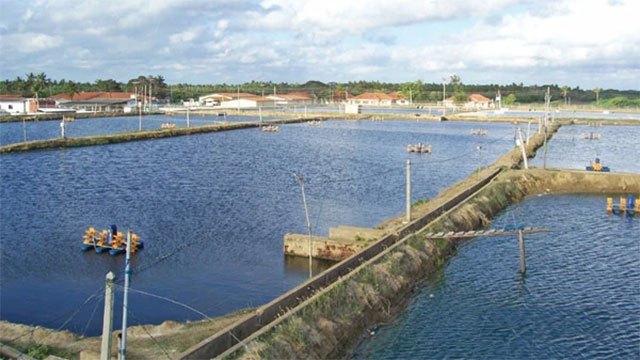
The Food and Agriculture Organization of the United Nations (FAO) and the government of China have launched a joint US$2 million project to strengthen sustainable aquaculture in Sri Lanka and Tanzania.
The three-year initiative, titled “Promoting Sustainable Aquaculture Production through Improved Aquatic Animal Health Management and Practices,” is funded under the FAO–China South-South Cooperation Programme and is scheduled to begin in 2027.
A stakeholder consultation on the project was held at the Ministry of Fisheries, Aquatic and Ocean Resources, chaired by Ministry Secretary Dr. B. K. Kolitha Kamal Jinadasa. He urged the sector to shift away from a narrow focus on production volumes toward scientifically managed, environmentally sustainable growth, recalling past shrimp-farming disease outbreaks that caused heavy production and export losses.
The project targets four areas: digital transformation of aquaculture management, early-warning systems for disease and climate risks, affordable biosecurity practices for small-scale producers, and international knowledge-sharing, particularly with China. A planned digital platform would enable paperless farm registration, disease reporting and production monitoring, alongside an early-warning system to flag floods and water-quality changes.
Participants included Dr. Xinhua Yuan, Deputy Director of the FAO Fisheries and Aquaculture Division, together with representatives from the University of Peradeniya, the Department of Animal Production and Health, the National Aquaculture Development Authority (NAQDA) and the National Aquatic Resources Research and Development Agency (NARA).