Sri Lanka has officially started local production of Fluorodeoxyglucose (FDG), the short-lived radiopharmaceutical used in PET-CT scans, in a move that health authorities say will materially expand cancer diagnosis services.
The initiative is being run as a public-private partnership between the Ministry of Health and Mass Media, the Sri Lanka Atomic Energy Board and Access Engineering PLC. It marks the first time FDG has been produced within the country.
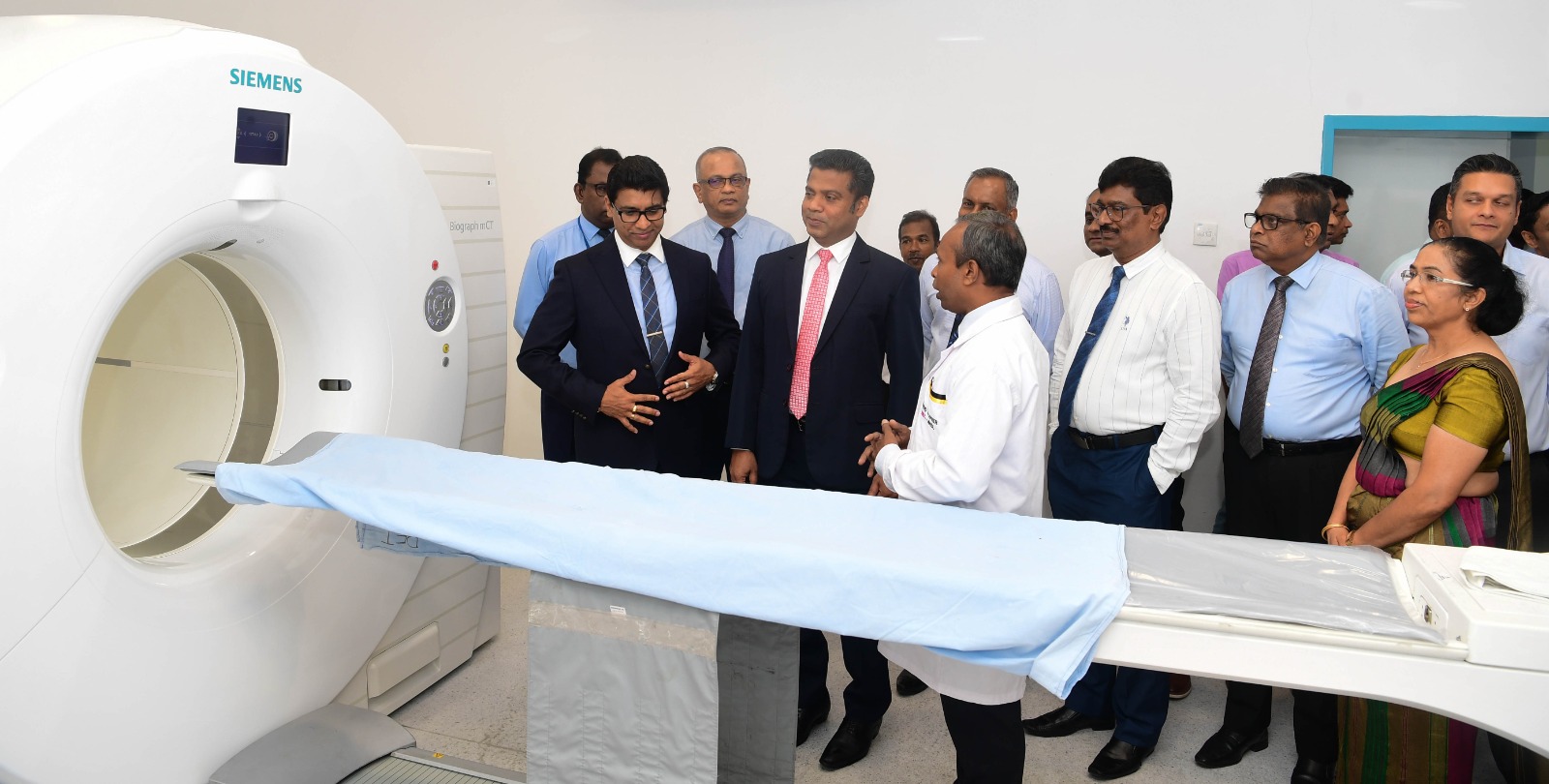
Health and Mass Media Minister Dr. Nalinda Jayatissa said local supply will let the PET-CT scanners at the National Hospital of Sri Lanka and the Apeksha Hospital in Maharagama run at full capacity, with plans to eventually offer scans seven days a week. Until now Sri Lanka has relied on FDG imported from India, an arrangement that produced frequent supply disruptions, long waiting times and elevated costs given the tracer’s short half-life.
Under the expansion, the National Hospital aims to raise its PET scanning schedule from one day a week to three, potentially quadrupling patient throughput. The same model is expected to be introduced at Apeksha Hospital.
Dr. Jayatissa said the initiative would improve timely cancer diagnosis and cut foreign exchange spending by eliminating the need to import the drug. He noted that about 100 new cancer cases are diagnosed daily in Sri Lanka and roughly 40 cancer patients die each day, underlining the importance of earlier diagnosis and expanded treatment access.
The move builds on earlier ministry work to stabilise nuclear medicine services, including the resumption of PET scans at government hospitals in May after a prolonged FDG supply shortage had halted the service. It also complements the Rs. 1.95 billion CT scanner rollout announced last month.