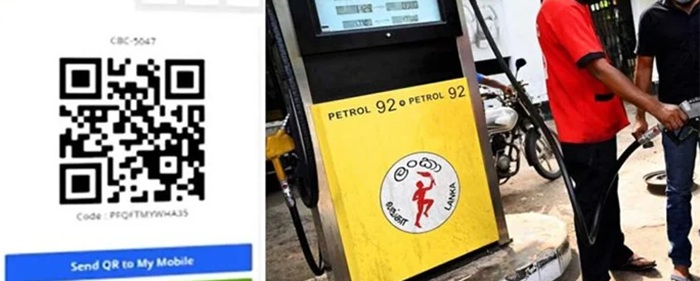
Sri Lanka will continue to enforce the QR code system for fuel distribution as a permanent measure to manage consumption, Deputy Minister of Finance and Planning Dr. Anil Jayantha Fernando told Parliament on Tuesday.
“It will continue further, with the aim of managing and reducing fuel consumption,” Fernando said, responding to a question raised by Opposition Leader Sajith Premadasa.
Fernando reminded the House that restrictions on fuel supplies were introduced in mid-March 2026 in response to the ongoing Middle East conflict, and the QR system was implemented to regulate access. The framing positions QR rationing as a permanent demand-management tool rather than a short-term crisis measure — building on the end of the special QR concession in April and the reinstated quota structure.
Separately, Ceylon Petroleum Corporation Managing Director Mayura Netthikumara told NewsFirst that fuel consumption this month has decreased compared with recent months. The highest level of consumption was recorded in March, he said, and the CPC is currently placing orders for the fuel needed in November.
The forward-buying out to November signals that supply planning is now stretching further into the second half of 2026 even as headline demand softens. The trend dovetails with Central Bank Governor Nandalal Weerasinghe’s recent briefing that the CPC’s oil bill — and its drag on the rupee — remains the dominant external pressure point on the economy.