The International Monetary Fund has cautioned governments against implementing broad fuel subsidies to cushion the impact of the war-driven energy price shock, warning that untargeted measures will “only prolong the pain of high prices.”
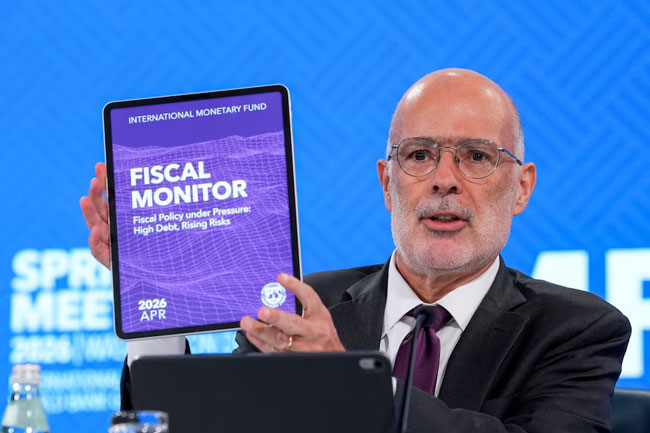
IMF Managing Director Kristalina Georgieva delivered the message at the IMF Spring Meetings in Washington on Tuesday, as policymakers grapple with rising oil costs driven by the ongoing Middle East conflict.
“Policy makers need to strike a careful balance between safeguarding fiscal sustainability and protecting those who are hit the hardest,” Georgieva said, urging countries to avoid untargeted tax cuts, energy subsidies, and price controls.
Many countries have so far avoided such blanket measures, she noted, but some have begun implementing export controls or broad-based tax cuts. “While the intention behind these measures may be good, such untargeted actions will only prolong the pain of high prices,” she warned.
The IMF revised global growth down from 3.4 percent last year to 3.1 percent in 2026, with the most adverse scenario projecting growth could fall to just two percent if the conflict persists.
The warning carries direct relevance for Sri Lanka, where the opposition has pressured the government to cut fuel prices following the ceasefire. The government’s recently announced Rs. 100 billion relief package includes electricity subsidies for low-consumption households, while the IMF’s 5th and 6th review concluded earlier this month with emphasis on maintaining the automatic tariff adjustment mechanism.
Georgieva stressed that structural reforms remain essential. “Policy makers will need to carry out structural reforms to lift productivity and growth. A strong economy is the best buffer,” she said.