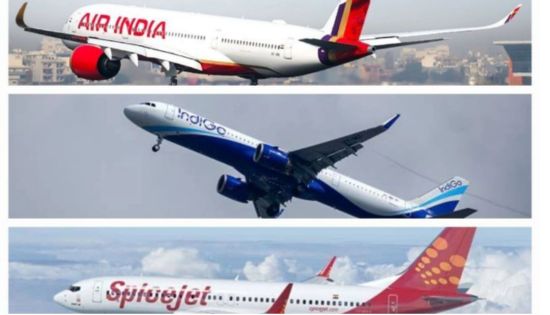
Air India, IndiGo and SpiceJet — which together hold around 95 per cent of India’s aviation market — have told the Indian government that the airline industry is “on the verge of stopping operations,” the Press Trust of India reported.
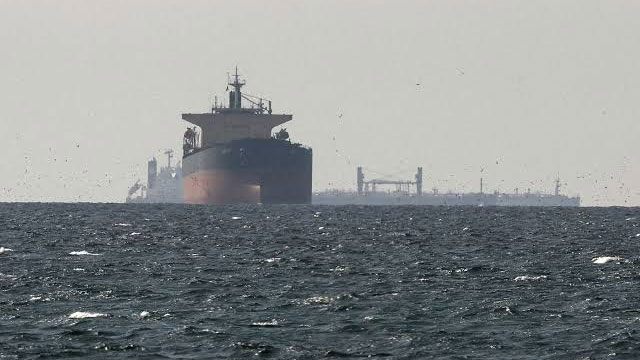
The carriers cited the Iran war and the near-complete closure of the Strait of Hormuz as the central drivers, with crude prices in India sharply higher and airspace restrictions adding to operating costs on long-haul routes. Aviation Turbine Fuel (ATF) accounts for around 40 per cent of a carrier’s operational expenses, and the airlines have asked New Delhi for a revision to ATF pricing.
The Federation of Indian Airlines (FIA) has separately asked the civil aviation ministry to extend a fuel pricing mechanism to both domestic and international operations, according to Newswire citing Al Jazeera.
The warning underscores how quickly the Hormuz disruption is feeding through to the world’s fifth-largest aviation market. For Sri Lanka, India is a top tourism source and a major air-connectivity hub: any contraction by Indian carriers would cut available seats on Colombo routes, raise fares, and tighten capacity for SriLankan Airlines and other Indian Ocean operators already coping with rising jet fuel costs.
The airlines’ warning lands on the same day President Donald Trump said Iran had told Washington it was in a “state of collapse” and asked for the strait to be reopened, and as the United Arab Emirates announced it was leaving OPEC and OPEC+ from May 1. Sri Lanka’s own tourism arrivals have been tracking below year-earlier levels, and a further squeeze on Indian flight capacity would compound the pressure.