A senior Iranian official has confirmed that Tehran’s formal proposal to end the war would reopen the Strait of Hormuz and lift the US blockade of Iranian ports while leaving negotiations on Iran’s nuclear programme to a separate later stage. President Donald Trump said on Friday he was “not satisfied” with the offer.
“They’re asking for things that I can’t agree to,” Trump told reporters at the White House, declining to spell out which terms he opposed.
Speaking on condition of anonymity to discuss confidential diplomacy, the Iranian official said the proposal — already conveyed to Washington through mediators — was “a significant shift aimed at facilitating an agreement.” Under the framework, Iran would open the strait, the United States would lift its blockade, and the war would end with a guarantee that Israel and the US would not attack Iran again. Subsequent talks would address curbs on the nuclear programme in return for sanctions relief, with Tehran demanding US recognition of its right to enrich uranium for peaceful purposes even if it agrees to suspend enrichment.
“Negotiations over the more complicated nuclear issue have been moved to the final stage to create a more conducive atmosphere,” the official said.
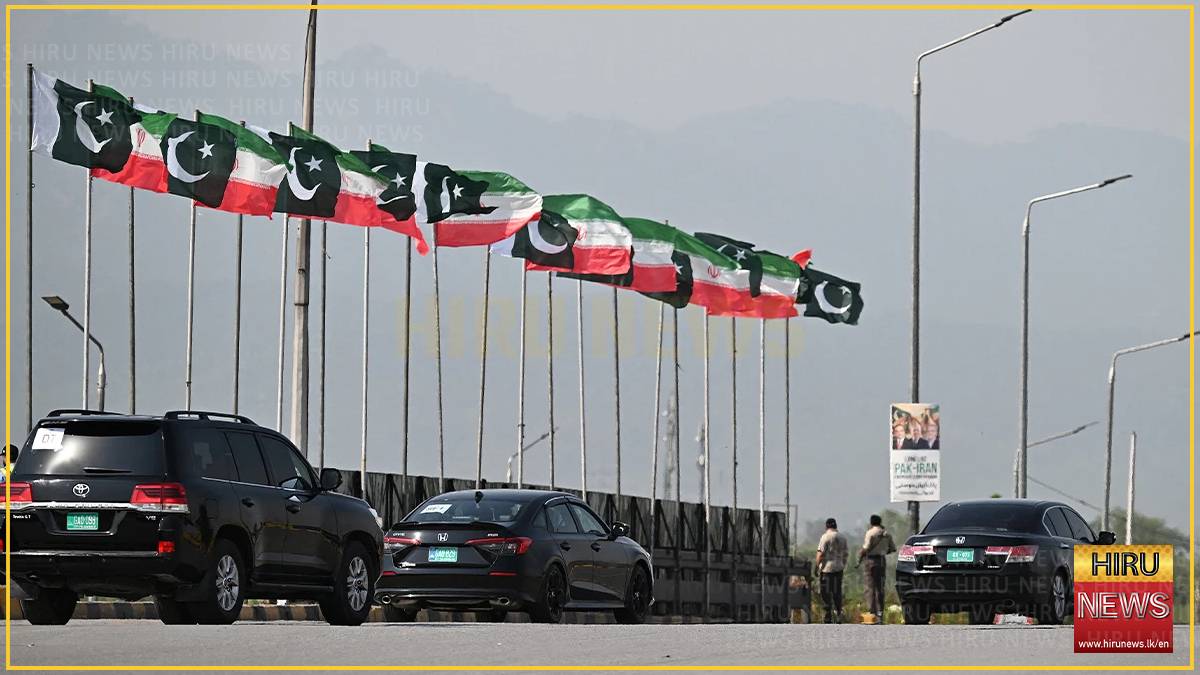
It is the first formal confirmation of the Hormuz-first sequencing that Reuters and other outlets had reported in outline over the past week. Tehran transmitted the latest proposal to Washington through Pakistani mediators on May 1, according to Iranian state media.
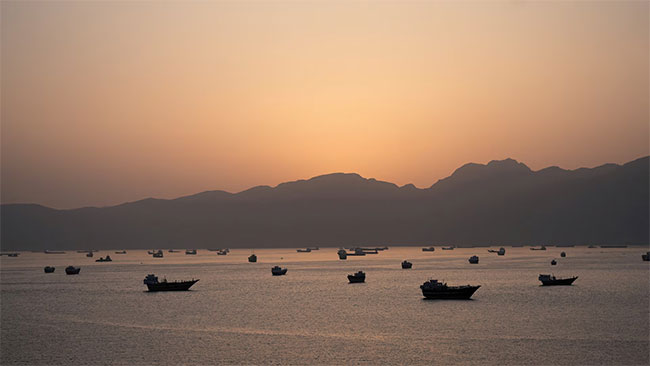
Four weeks since the United States and Israel suspended their bombing campaign, no deal has been reached to end a war that has caused the biggest disruption to global energy supplies in modern history. Iran has been blocking nearly all non-Iranian shipping through the Gulf for more than two months, and last month Washington imposed its own blockade of vessels leaving Iranian ports. US officials continue to insist any settlement must prevent Iran from ever obtaining a nuclear weapon — the stated rationale for the February strikes Trump launched mid-talks.
Trump’s flat rejection raises the prospect of renewed military action; the President received a Pentagon briefing last week on options to compel further concessions. Iranian armed forces have warned the war is “likely to resume” if the talks fail.
For Sri Lanka, the rejection extends the shipping-cost premium baked into CPC fuel procurement and keeps Brent above USD 110 a barrel for an eighth consecutive week, with no near-term path to lower import bills.