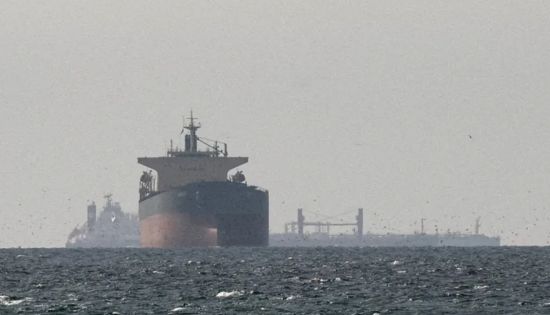
Iran has seized two cargo vessels in the Strait of Hormuz and is escorting them to the Iranian coast, state media reported late Wednesday, marking a qualitatively new enforcement mode beyond the day’s earlier gunfire incidents.
The Islamic Revolutionary Guard Corps (IRGC) said the two ships had entered the waterway without “proper coordination” and had violated maritime regulations, according to Iranian state media. The announcement did not identify the flag states or types of cargo, nor did it specify when the vessels would be released.
The seizures follow a day of escalating incidents in the strait. The UK Maritime Trade Operations (UKMTO) earlier confirmed gunfire on three container ships — including a Liberia-flagged vessel struck by IRGC gunfire and rocket-propelled grenades northeast of Oman, and an outbound cargo ship fired on eight nautical miles west of Iran. Taken together, at least five vessels were targeted in the strait on April 22 alone.
The timing deepens the contradiction between Iran’s military track and the diplomatic track. US President Donald Trump indefinitely extended the ceasefire with Iran earlier in the day at Pakistan’s request — but IRGC operations have continued without pause.
The “coordination” framing is new. Previous IRGC statements described interdictions as retaliation for the US naval blockade of Iranian ports or for the earlier US-Israeli bombardment. By citing a requirement for vessels to obtain permission before transit, Tehran is signalling a de facto inspection or toll regime in the strait regardless of the diplomatic ceasefire.
Each armed incident on a commercial ship raises war-risk insurance premiums and reroutes tanker traffic — consequences that feed directly into Sri Lanka’s fuel import costs. Two-thirds of global seaborne oil trade passes through the strait.