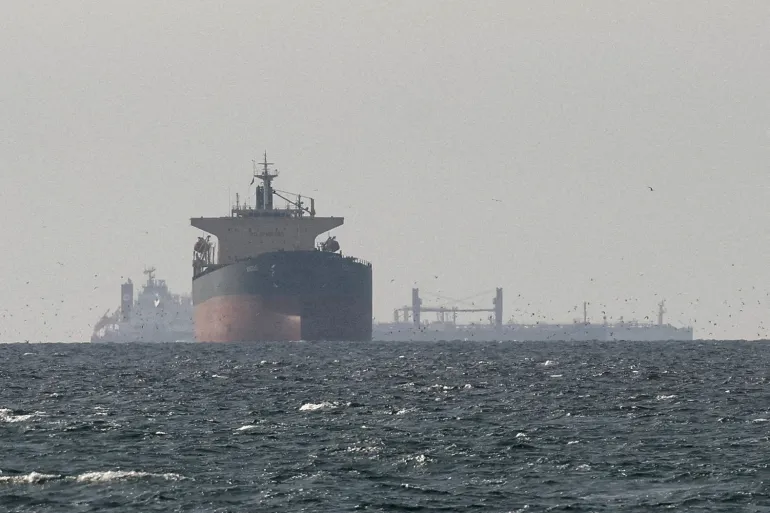
The US naval blockade of Iranian ports is set to deepen the global energy crisis, with analysts warning oil could surge to $150 per barrel if Iran-aligned Houthis retaliate by closing the Bab al-Mandeb strait connecting the Red Sea to the Indian Ocean.
Oil prices surged above $100 a barrel after President Trump announced the Navy would “interdict every vessel in international waters that has paid a toll to Iran.” CENTCOM later clarified the blockade targets only ships entering and exiting Iranian ports — an apparent scaling back from Trump’s initial threat to fully block the Strait of Hormuz.
About 3,200 vessels remain stranded west of the strait, according to maritime intelligence firm Windward.
Cascading economic impact
Trita Parsi of the Quincy Institute told Al Jazeera that “anything that currently takes more oil off the market will push prices up, which in turn will push gas prices further.” He warned oil could hit $150 if Houthis shut down Bab al-Mandeb — the alternative export route for Gulf energy.
Former NGP Energy Capital Management economist Anas Alhajji said non-Iranian ships will likely continue avoiding the strait despite US assurances, due to elevated insurance premiums and fears of Iranian retaliation. “The Trump blockade of the Iranian ports is an actual blockade of the Hormuz Strait,” he said.
Cameron Johnson of Tidalwave Solutions warned raw material prices could spike within weeks if the blockade extends beyond the remaining ceasefire window into May.
Wider supply chain fallout
Deborah Elms of the Hinrich Foundation said the disruption extends beyond oil — fabrics, pharmaceutical packaging, and fertilisers face supply shocks that could affect food production into 2027.
The blockade marks a reversal for Washington, which waived some sanctions on Iranian oil exports last month to ease the energy crunch. For Sri Lanka, the 12-shipment fuel supply plan faces higher procurement costs with $100+ oil now the baseline.