The torrential rains sweeping across Sri Lanka are expected to deliver significant financial relief to the debt-ridden Ceylon Electricity Board by sharply increasing hydroelectric generation and reducing reliance on costlier thermal and coal-fired plants, power sector officials told The Island.
Senior CEB engineers said the rapid rise in water levels at major catchments and reservoirs had already strengthened hydropower generation capacity. The increased storage at Mahaweli- and Laxapana-system stations will allow the Board to maximise hydro output and trim its fuel and coal bill, the engineers said.
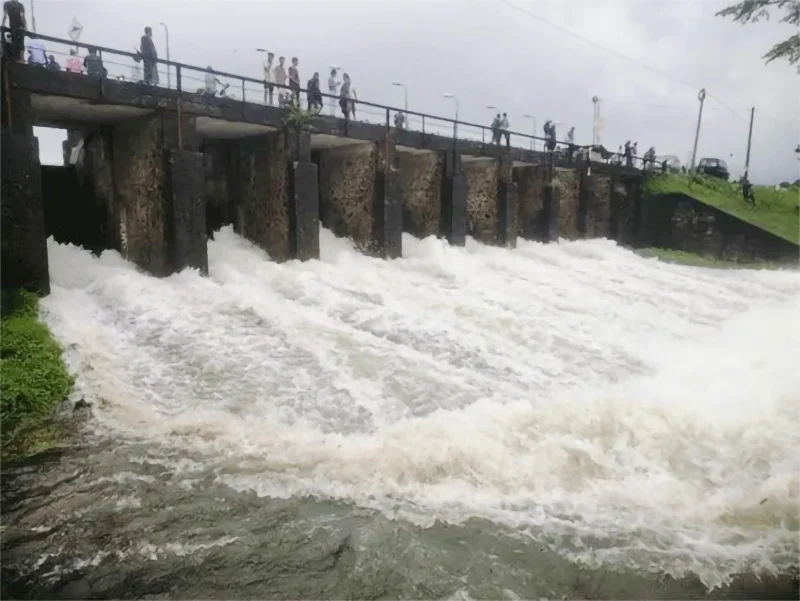
Officials of the Irrigation Department confirmed that 33 reservoirs are presently spilling following several days of heavy rainfall. Among the major reservoirs spilling are Rajanganaya, Lunugamwehera, Weheragala, Deduru Oya, Nalanda and Wemedilla, with several spill gates opened to release excess water. Catchment areas linked to the Mahaweli, Kala Oya and southern river basins have received exceptionally heavy rainfall over recent days.
The hydropower windfall could ease cost pressure on the CEB after the Public Utilities Commission approved an 18% tariff hike on May 11 at the request of the National System Operator. Hydro share has been constrained for months as the Castlereigh and Maussakelle reservoirs ran low, forcing CEB to lean on thermal generation amid global oil price volatility.
The same weather system has brought casualties: one death was reported from Batticaloa, with the Disaster Management Centre saying 62 families have been affected and 39 houses partially damaged so far.