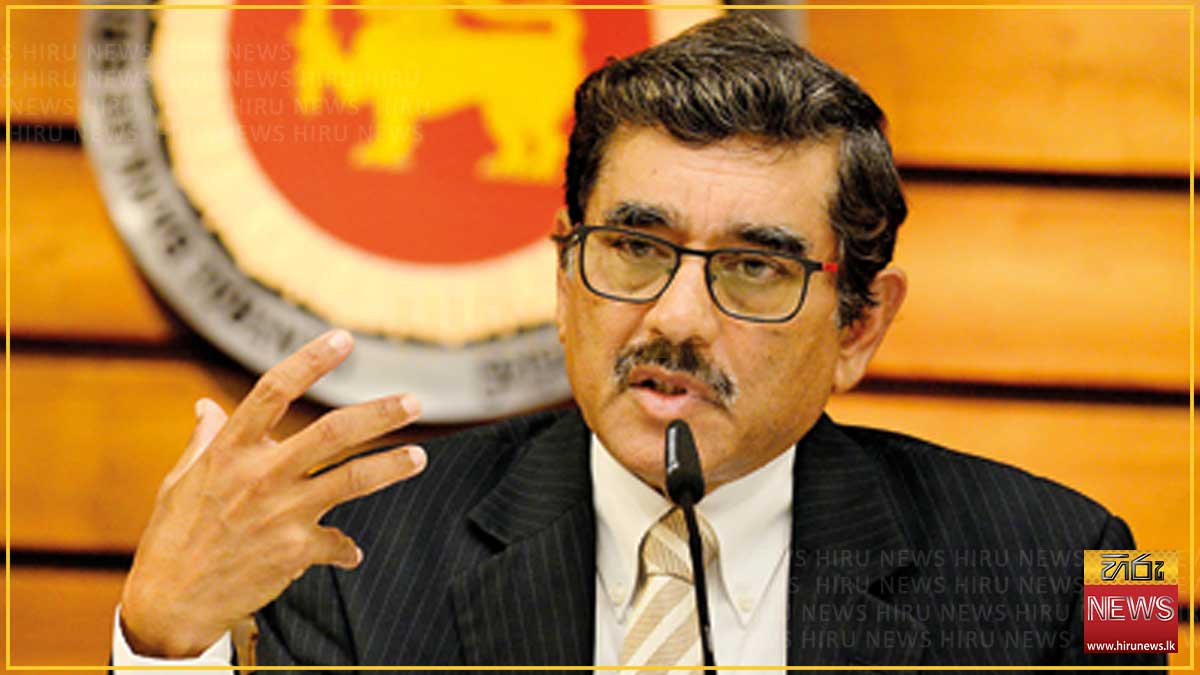
More than 200,000 micro, small and medium-scale enterprises (SMEs) in Sri Lanka ceased operations between 2018 and 2022, Deputy Minister of Finance and Planning Dr. Anil Jayantha Fernando said on Thursday, citing the figure as evidence of the structural damage inflicted on the private sector during the country’s economic unravelling.
Speaking at a public event covered by Ada Derana, Dr. Anil Jayantha said the attrition in the SME segment reflected the cumulative effect of multiple shocks during the period — including the 2018 constitutional crisis, the 2019 Easter Sunday attacks, the 2020-2021 pandemic disruption and the 2022 foreign-exchange and fuel crises — all of which left small businesses unable to source inputs, service debt or retain staff.
The figure is one of the first quantified estimates the government has put on SME mortality during the crisis period and underlines how much of Sri Lanka’s business base was hollowed out before the stabilisation programme began. SMEs are typically the largest private-sector employers in the country outside plantations and the apparel sector, and their collapse has weighed heavily on household incomes and informal-sector employment.
The Deputy Minister’s comments come as the NPP government is under sustained pressure to deliver a workable SME recovery plan. Earlier coverage has documented commercial banks’ reluctance to disburse a Rs. 95 billion SME credit line despite a CBSL-backed guarantee framework, and Finance Ministry consultations with the IMF on industrial and SME strategy have yet to produce concrete disbursement mechanisms.
Dr. Anil Jayantha, who has also emerged as the government’s point person on the automatic formula-based fuel and electricity tariff mechanism, said the administration’s broader fiscal agenda was framed in part by the need to rebuild small-business confidence after the 2018-2022 contraction.