Sri Lanka has launched a programme aimed at eliminating rabies from the country by 2030, according to the Director General of the Department of Animal Production and Health, Dr. Sanjika Perera.
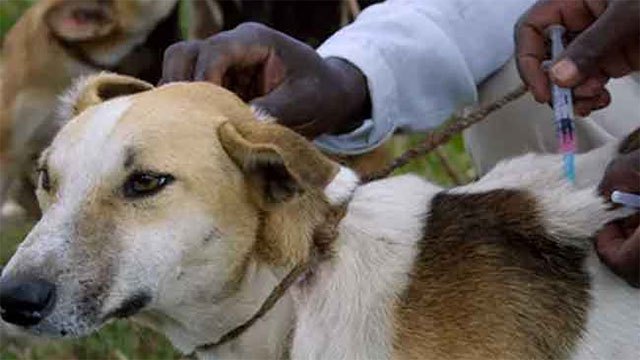
Speaking at the inauguration of a four-day workshop in Katunayake — organised by the department with several international organisations to discuss eradication strategies — Dr. Perera said controlling the disease among animals, particularly dogs, is key to reaching the target.
Rabies prevention efforts in Sri Lanka began about 70 years ago, with the current national programme launched in 1973, he said. At that time, more than 370 people died from rabies each year; the toll has since fallen to around 14 deaths annually.
Dr. Perera noted that while post-exposure vaccinations at hospitals have helped save lives, the continued treatment of bite victims places a significant burden on the government. Controlling and eliminating rabies among dogs would reduce the disease at its source and ease the strain on the healthcare system, he said.
He also urged people who feed stray dogs to take fuller responsibility for their wellbeing, including ensuring proper care rather than only providing food.
Sri Lanka’s target aligns with the global “Zero by 30” goal, backed by the World Health Organization and partners, to end human deaths from dog-mediated rabies worldwide by 2030. The country has long been regarded as one of the regional front-runners in the campaign to eradicate the disease.