Six Tamil-speaking political parties are set to announce an agreement to work together on matters of mutual concern at a media briefing on Monday.
The parties said they have reached an understanding to collaborate on issues of common interest “at the present juncture,” and will unveil further details of the arrangement at the event.
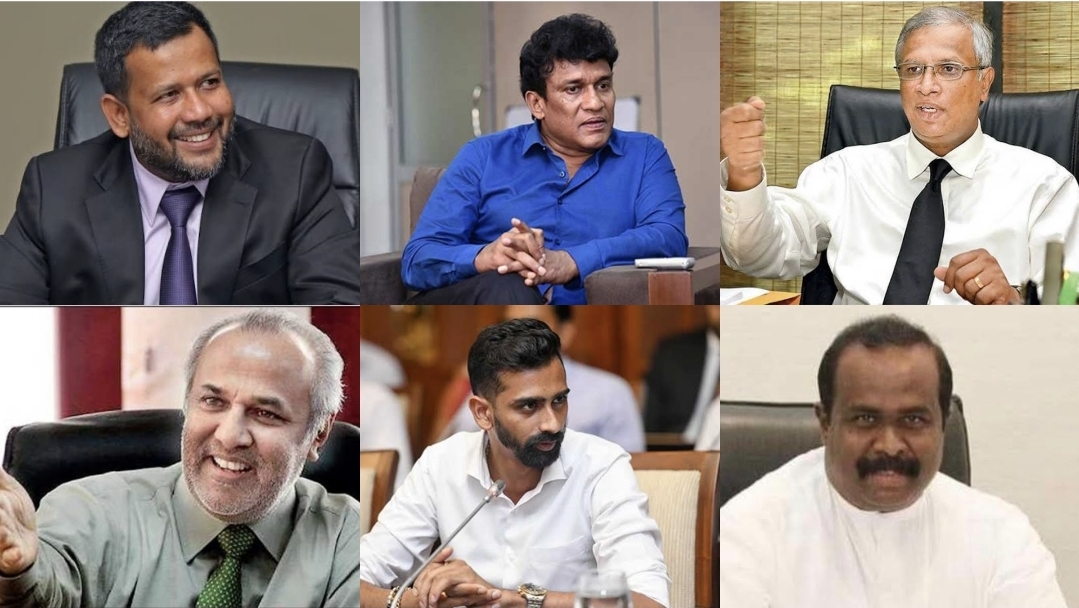
The six parties involved are the All Ceylon Makkal Congress, the Ceylon Workers Congress, the Democratic Tamil National Alliance, the Ilankai Tamil Arasu Kadchi (ITAK), the Sri Lanka Muslim Congress and the Tamil Progressive Alliance.
The line-up spans both Tamil nationalist parties and those representing the up-country Tamil and Muslim communities, suggesting an attempt to build a broader minority-party front. Any formal coordination among the groups would be a notable development in Tamil and minority politics, which have often been fragmented across competing parties. The parties said the specifics of their cooperation would be disclosed at Monday’s briefing.
Update (July 13): The six parties formally announced their decision to work together at a joint media briefing in Colombo on Monday, pledging collective action on issues affecting Tamil-speaking communities in the Northern and Eastern provinces and the up-country Malaiyaha region. A notable feature of the launch was the prominence of parties aligned with the opposition Samagi Jana Balawegaya (SJB): Tamil Progressive Alliance leader Mano Ganesan, Sri Lanka Muslim Congress leader Rauff Hakeem and All Ceylon Makkal Congress leader Rishad Bathiudeen were among those present, according to NewsFirst. Ceylon Workers’ Congress General Secretary Jeevan Thondaman, who entered Parliament on the United National Party-led ticket, also attended.
The parties said they had reached consensus on four key areas: enacting a new constitution, holding the long-delayed Provincial Council elections, addressing land-related issues affecting all communities, and resolving minority concerns through dialogue. Former MP M.A. Sumanthiran said the government had pledged to hold Provincial Council elections within a year of taking office but had made no significant progress, and that the parties would jointly press for the polls and for regional representation in governance. The grouping said it would continue working through the common platform — which the parties framed as an agreement to “act for the people” — to advance reconciliation, democratic governance and the protection of all communities’ rights. The prominence of several SJB-aligned leaders fuelled speculation in political circles about a possible realignment within the opposition, though none of the parties indicated they were leaving the Premadasa-led alliance.
Update (July 16): Political analysts say the six-party platform could further fragment the country’s main opposition ahead of the anticipated Provincial Council elections, Ada Derana reported. Representatives of the parties stressed they have not withdrawn from the Samagi Jana Sandhanaya and that the platform exists solely to pursue issues affecting their communities collectively, saying they turned to joint action after repeated appeals to the SJS on their concerns went unanswered. The group said it has no intention of challenging the government’s parliamentary majority and would be open to backing the administration on matters of mutual interest. The development comes as Sri Lanka’s wider opposition grapples with separate strains, including a breakaway bloc of 21 MPs and new platforms launched by figures such as G.L. Peiris and Namal Rajapaksa.