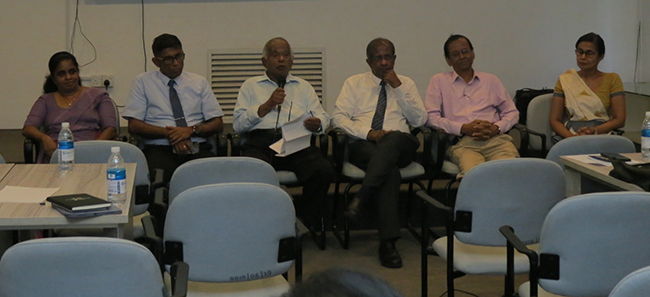
Sri Lanka is facing a growing “triple burden” of child malnutrition that demands urgent, science-driven intervention, a senior health official told the National Science Foundation (NSF) Science Forum on Food Security in Colombo.
Dr. Hiranya S. Jayawickrama, Consultant Community Physician at the Family Health Bureau (FHB) of the Ministry of Health, said the country continues to grapple simultaneously with undernutrition, micronutrient deficiencies and rising overweight among children, despite decades of maternal and child health programmes.
Undernutrition manifests in three measurable ways: stunting, indicating chronic shortfall in length or height for age; wasting, reflecting acute weight loss; and underweight. Iron-deficiency anaemia remains widespread among children and mothers, while childhood overweight and obesity are being driven by ultra-processed foods high in sugar, starch and fat, she said.
Inappropriate infant and young-child feeding practices were identified as the leading underlying cause, alongside recurrent infection, low birth weight, poverty, food insecurity, poor sanitation and persistent myths around child feeding.
The Ministry of Health is delivering an integrated Maternal and Child Health package that includes regular growth monitoring, breastfeeding promotion, Vitamin A mega-doses and home-fortification with micronutrient powders. Thriposha is supplied to children with Moderate Acute Malnutrition, while BP-100 therapeutic food is used in hospitals for Severe Acute Malnutrition cases.
Interventions sit under the National Nutrition Policy 2021–2030 and the Maternal and Child Health Policy 2012. Public Health Midwives carry frontline counselling. The 2022 Labelling and Advertising Regulations bar the marketing of infant formula for under-ones and milk-based products for ages one to three, and ban images of pregnant women, infants and children under 12 in food advertisements.
The presentation lands as a separate dispute over a stuck 2,290-tonne maize shipment threatens Thriposha production itself, and as Health Minister Nalinda Jayatissa flags that one in five Sri Lankans lives with a non-communicable disease.