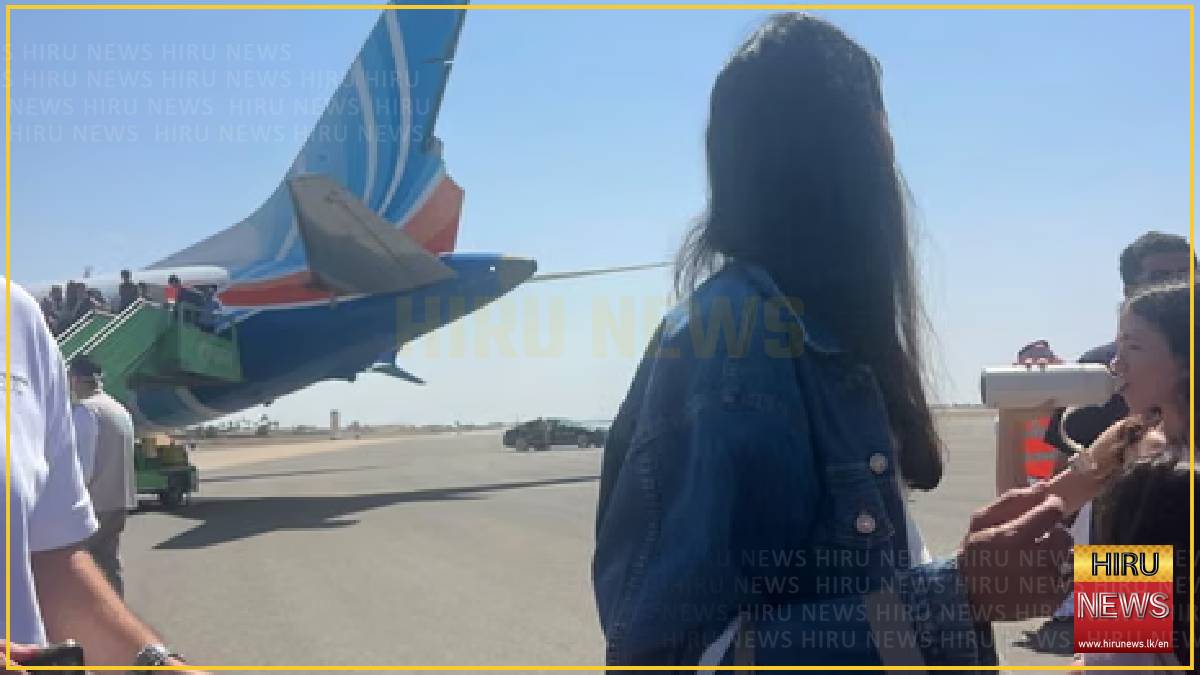
The United States and Iran have each described recent negotiations as productive, even as Tehran re-sealed the Strait of Hormuz and President Donald Trump warned he may not extend the current ceasefire.
“We have very good conversations going on. It’s working out very well,” Trump said on Saturday, while also telling reporters that Iran could not “blackmail” the US with threats over the strategic waterway. Earlier in the week, he said the naval blockade of Iranian ports would continue until a peace deal was reached.
Iran’s Supreme National Security Council said new proposals had been put forward by Washington and were under review in Tehran. Iranian officials said a second round of talks is expected in Islamabad on Monday under Pakistani mediation. Iran’s top negotiator publicly acknowledged progress but said significant gaps remain on the nuclear programme and on Hormuz.
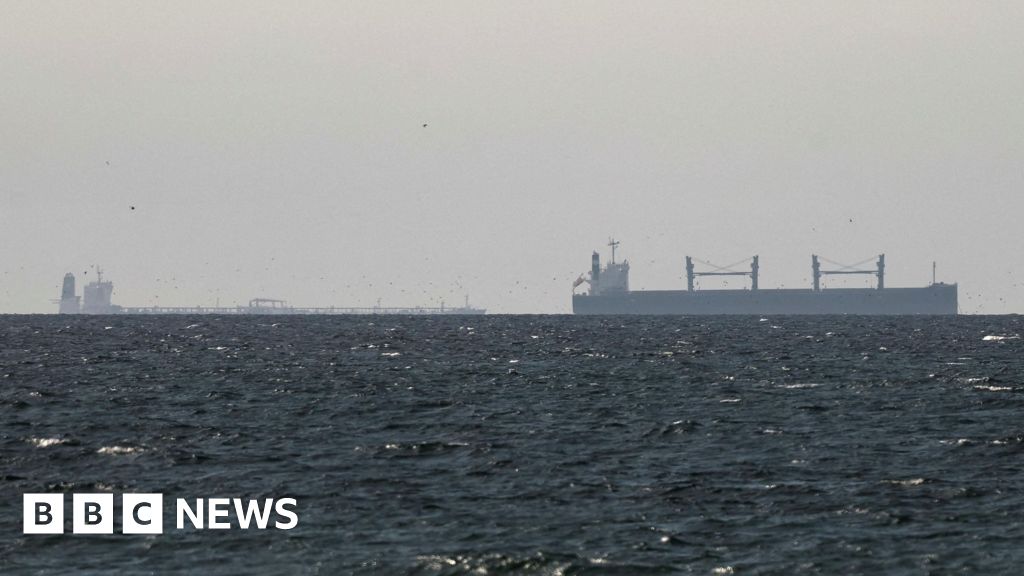
The diplomatic signals arrived alongside a sharp escalation at sea. The Islamic Revolutionary Guard Corps on Saturday declared the Strait of Hormuz fully closed again, revoking a safe-passage corridor it had offered only two days earlier. Two vessels were attacked in the strait during the day and India summoned Iran’s ambassador after gunfire struck Indian-flagged ships.
The two-week ceasefire brokered between Washington and Tehran is due to expire on April 22. Trump said an agreement before that deadline would determine whether it is renewed. The peace talks held earlier this month ended without a deal over demands to dismantle Iran’s nuclear enrichment programme.
For Sri Lanka, the outcome will shape fuel supply costs through the remainder of April. The Ceylon Petroleum Corporation continues to absorb sharply elevated diesel premiums on each shipment, and fertiliser procurement for the Yala season has already moved higher on Hormuz-related shipping risk.