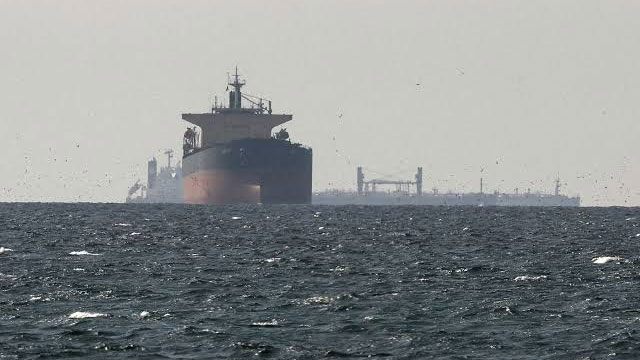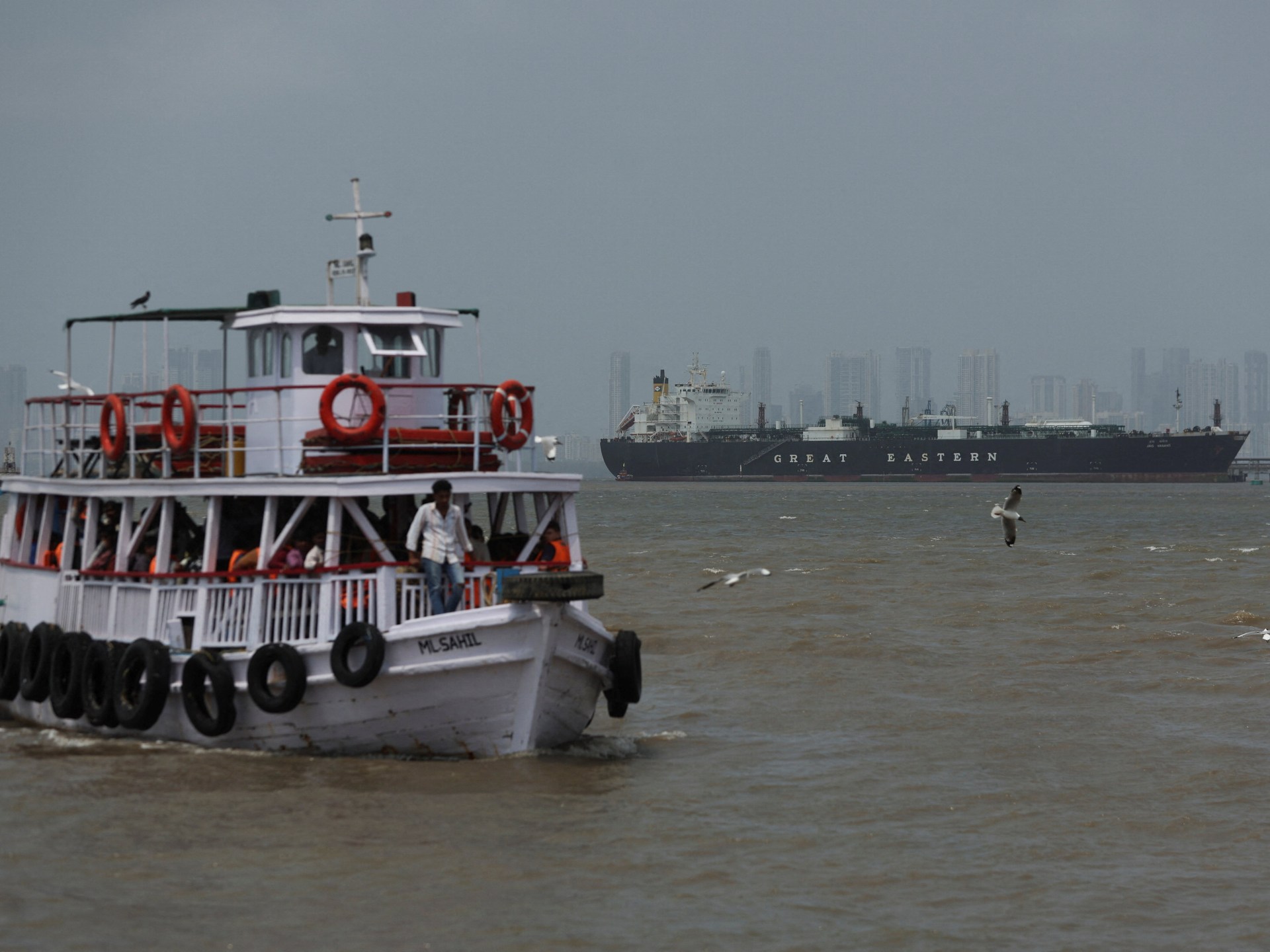
A UK-led coalition of approximately 40 countries has pledged collective action to address Iran’s blockade of the Strait of Hormuz, through which one-fifth of global oil supply normally transits.
Diplomatic front
Foreign ministers from the coalition — including the UK, France, Germany, Italy, Canada, Japan, and the UAE — signed a joint statement on April 2 demanding Iran cease its blockade and pledging to “contribute to appropriate efforts to ensure safe passage” through the waterway. Working-level meetings among officials are planned as a follow-up.
Military force ruled out
Despite the strong diplomatic language, no country has committed to military action. British Prime Minister Keir Starmer emphasized non-military solutions. French President Macron called a military operation “unrealistic,” warning it would expose vessels to “coastal threats” from Iran’s Islamic Revolutionary Guard Corps.
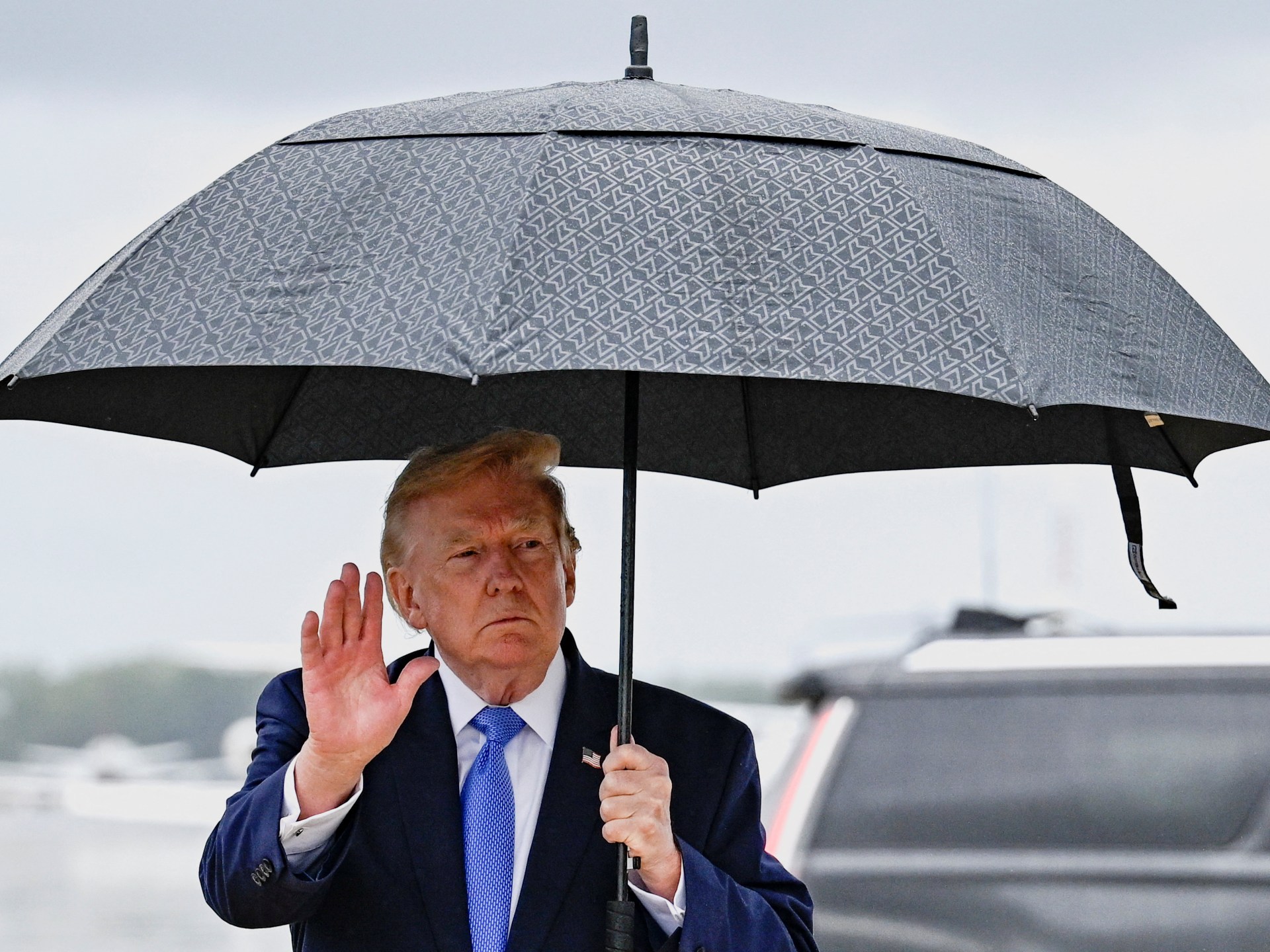
The US notably did not attend the meeting. President Trump has stated that securing the waterway is not America’s responsibility, even as he separately threatens strikes on Iran’s energy infrastructure if the strait is not reopened by April 6.
Iran’s permission system
Iran has implemented a strict transit regime controlled by the IRGC. Of nearly 280 transit requests submitted, only 17 have been approved — with access limited to vessels from nations Iran considers “friendly.” Ships from the US, Israel, and allied nations remain blocked.
The coalition’s diplomatic approach contrasts with the military escalation between the US and Iran, where combat operations continue and the April 6 deadline looms. For oil-import-dependent nations like Sri Lanka, any resolution — diplomatic or otherwise — would directly ease the fuel crisis that has already prompted rationing and power cuts.