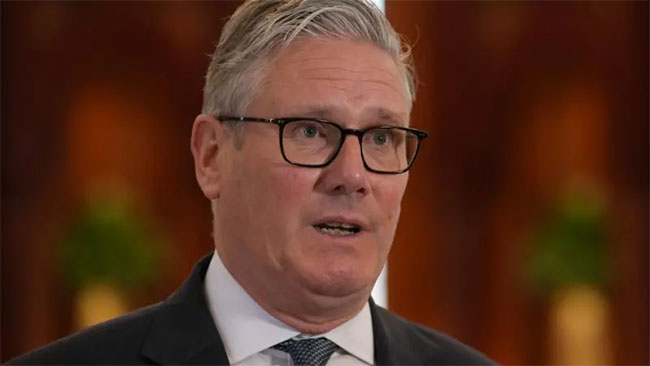
UK Prime Minister Keir Starmer has urged the United States and Iran to “find a way through” and continue seeking a diplomatic resolution after peace talks in Islamabad ended without a deal and Washington announced a naval blockade of the Strait of Hormuz.
Starmer’s call for continued dialogue came as the diplomatic fallout from the collapsed negotiations intensified. The 21-hour talks, brokered by Pakistan, failed over Iran’s refusal to abandon its nuclear programme — the sticking point that ultimately prompted President Trump to order the blockade.
Britain is a signatory to the 2015 Iran nuclear deal (JCPOA) alongside France, Germany, Russia, and China. The UK’s intervention adds European diplomatic weight to calls for restraint at a moment when the conflict risks further escalation. France has separately demanded that Lebanon be included in any future ceasefire framework, representing a distinct but parallel European diplomatic track.
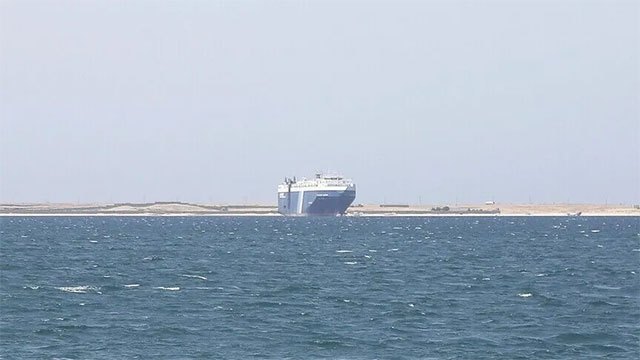
The UK has also been part of a 40-nation coalition calling for the reopening of the Strait of Hormuz, reflecting the severe economic impact of the waterway’s disruption on global trade. Britain’s economy, like Sri Lanka’s, faces elevated fuel costs from the sustained Hormuz blockade.
Starmer’s appeal signals that Western allies, while largely aligned with Washington on Iran’s nuclear ambitions, are growing concerned about the military escalation path and its economic consequences.