The United States plans to redirect Iranian assets to Gulf allies to pay for damage caused by Iranian strikes, a source familiar with the matter said, opening a new flashpoint in stalled peace talks one day after Iran launched ballistic missiles at US bases in Kuwait and Bahrain.
Treasury Secretary Scott Bessent has directed a team to assess the costs of damage already inflicted on Gulf allies by Iran, the source told reporters in remarks carried by Ada Derana, adding that Washington would consider using Iranian assets for those repairs. The source said the language used to describe the measures did not appear limited to frozen assets, leaving open how broadly the US might define the pool available for redirection.
The disclosure came a day after Mohsen Rezaei, an adviser to Iran’s supreme leader, told CNN that a peace deal hinged on the release of USD 24 billion in Iranian assets frozen by the United States. Tehran has demanded access to billions of dollars in oil revenue, waivers on crude export sanctions, the lifting of a US blockade on its ports and leverage over the Strait of Hormuz, which it has effectively closed since the war began on February 28.
The threatened redirection could complicate a fragile ceasefire that was tested again over the weekend. US Central Command on Saturday struck Iranian coastal radar sites at Goruk and Qeshm Island after shooting down four Iranian drones over the Strait of Hormuz. Iran’s Revolutionary Guard said it retaliated against US bases in Kuwait and Bahrain. Kuwait’s army said on Saturday it engaged seven ballistic missiles passing over residential areas, resulting in material damage but no casualties, while sirens sounded in Bahrain and residents were urged to shelter. The US military said six of the missiles were intercepted and a seventh did not reach its target. Kuwait reopened its airspace at 6:15am on Saturday after the brief precautionary closure.
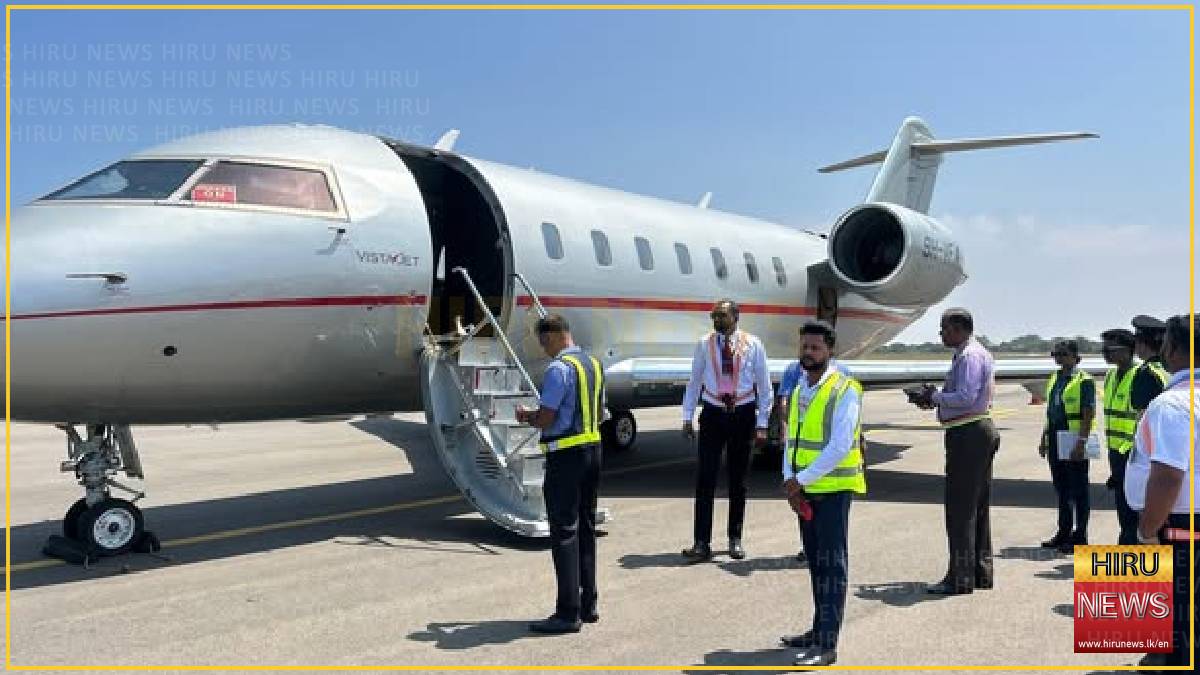
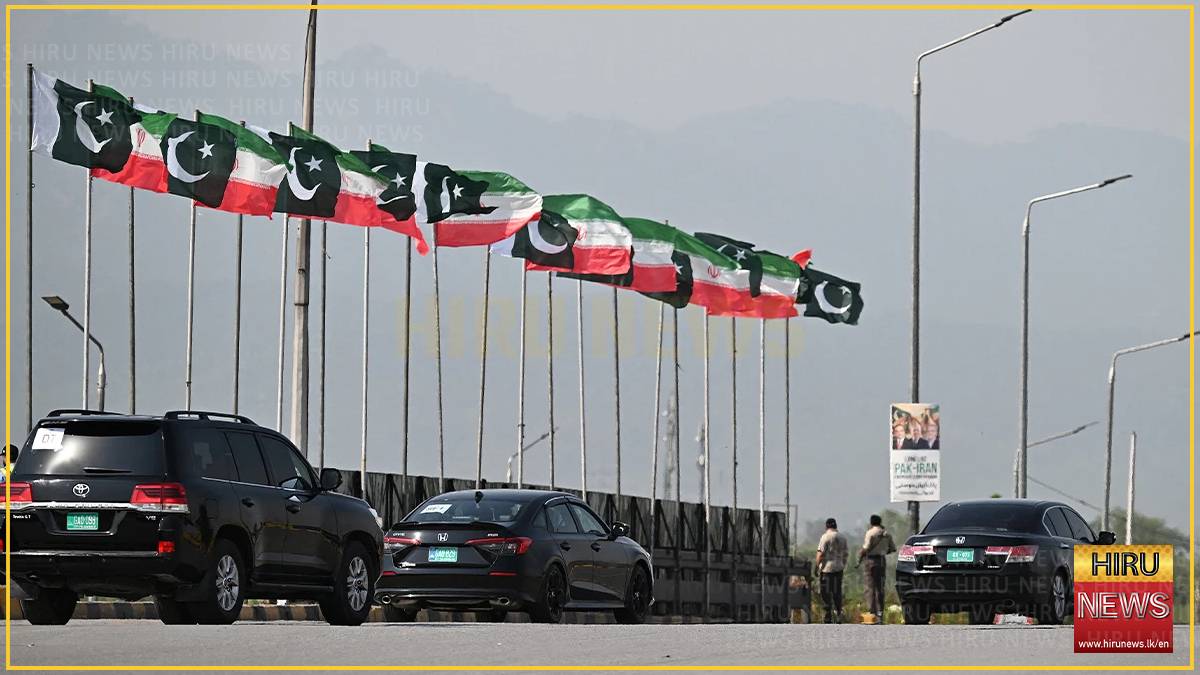
Mediation efforts continued in parallel. Pakistani Interior Minister Mohsin Naqvi arrived in Tehran on Saturday for talks with Iranian officials, including Foreign Minister Abbas Araqchi, carrying what he described as a “special letter” from Pakistan’s army chief and prime minister to Iran’s Supreme Leader Mojtaba Khamenei, Iran’s semi-official ISNA news agency reported.
President Donald Trump, facing mounting domestic pressure from rising US gasoline prices, told NBC’s Meet the Press that Iran still had access to “about 21% to 22%” of its missile stockpile, even though most of its drone and missile manufacturing facilities had been destroyed. The Hormuz closure remains the central transmission channel of the conflict to Sri Lanka’s fuel import bill, and Fitch on Saturday revised its 2026 Brent crude assumption to USD 87 per barrel on the assumption the strait will not begin to reopen until July.
Source: Ada Derana.