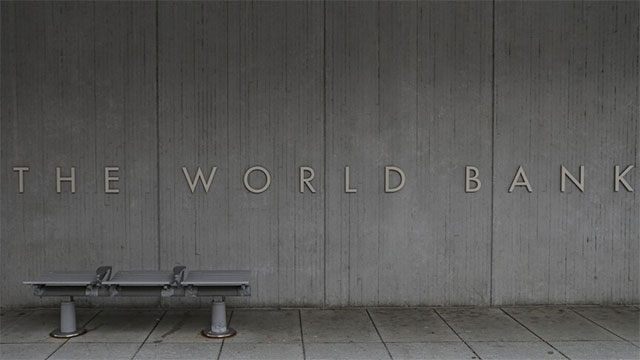
The escalating conflict in the Middle East will drag global growth down to 2.5 percent this year — the slowest pace since the onset of the COVID-19 pandemic in 2020 — the World Bank Group said in its latest Global Economic Prospects report released Thursday, Ada Derana reported.
The forecast, revised down from 2.9 percent in 2025, reflects the combined drag from higher energy prices, persistently elevated inflation and increased global borrowing costs that have followed the US-Iran-Israel war and the partial closure of the Strait of Hormuz. The World Bank said the outlook is the weakest non-recession year for the global economy in more than a decade and now sits “below the average of the 2010s decade”.
For developing economies — which include Sri Lanka — the bank warned that the cost of capital is rising faster than expected as inflation expectations re-anchor higher and central banks across advanced economies move cautiously on rate cuts. Growth in low- and middle-income countries is projected to slow to 3.7 percent in 2026, with the share of countries posting growth above 3 percent at its lowest in a decade.
The report follows a similar Fitch downgrade of global growth earlier this month tied to the same oil-price shock and the IMF’s own adverse-scenario projection of growth slipping toward 2 percent. The World Bank singled out energy-importing economies in South and South-East Asia as among the most exposed to a sustained Hormuz disruption, citing the Central Bank of Sri Lanka’s recent inflation and rupee warnings as illustrative of the macroeconomic strain.
The report urged emerging markets to “protect hard-won fiscal gains” and avoid procyclical loosening even as growth weakens, language closely watched by countries operating under IMF programmes.
Sources: Ada Derana — Middle East conflict to slow global growth to weakest since COVID: World Bank.