
Lifestyle
17 major reservoirs and seven medium tanks spilling as storage reaches 46%
The Irrigation Department warned downstream residents to stay alert, with Deduru Oya releasing 4,100 cusecs and Matale district storage at full capacity.
The Irrigation Department warned downstream residents to stay alert, with Deduru Oya releasing 4,100 cusecs and Matale district storage at full capacity.
Twelve major and nine medium reservoirs spilling as national water storage stands at 45.2% capacity.

Kala Wewa is at 103 per cent with both emergency gates open. Thabbowa and Inginimitiya are releasing 7,400 cusecs into the Mee Oya.
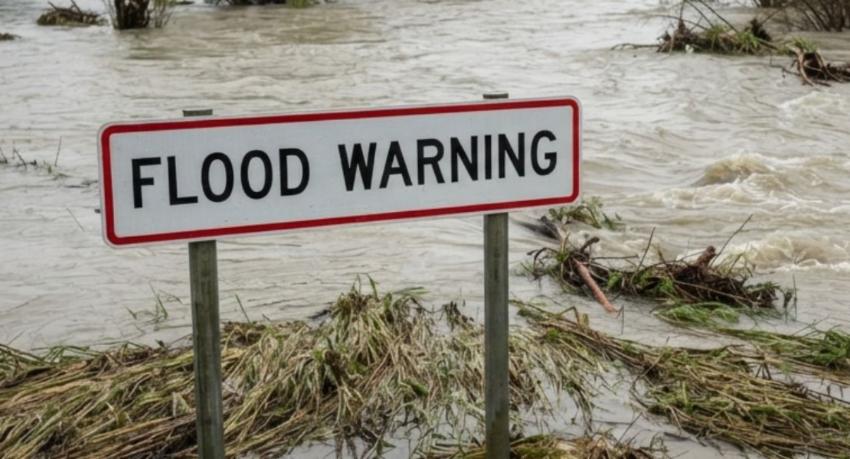
The Irrigation Department warns low-lying residents as one low-pressure system clears the island and another forms behind it. Rain may continue to 27 October.
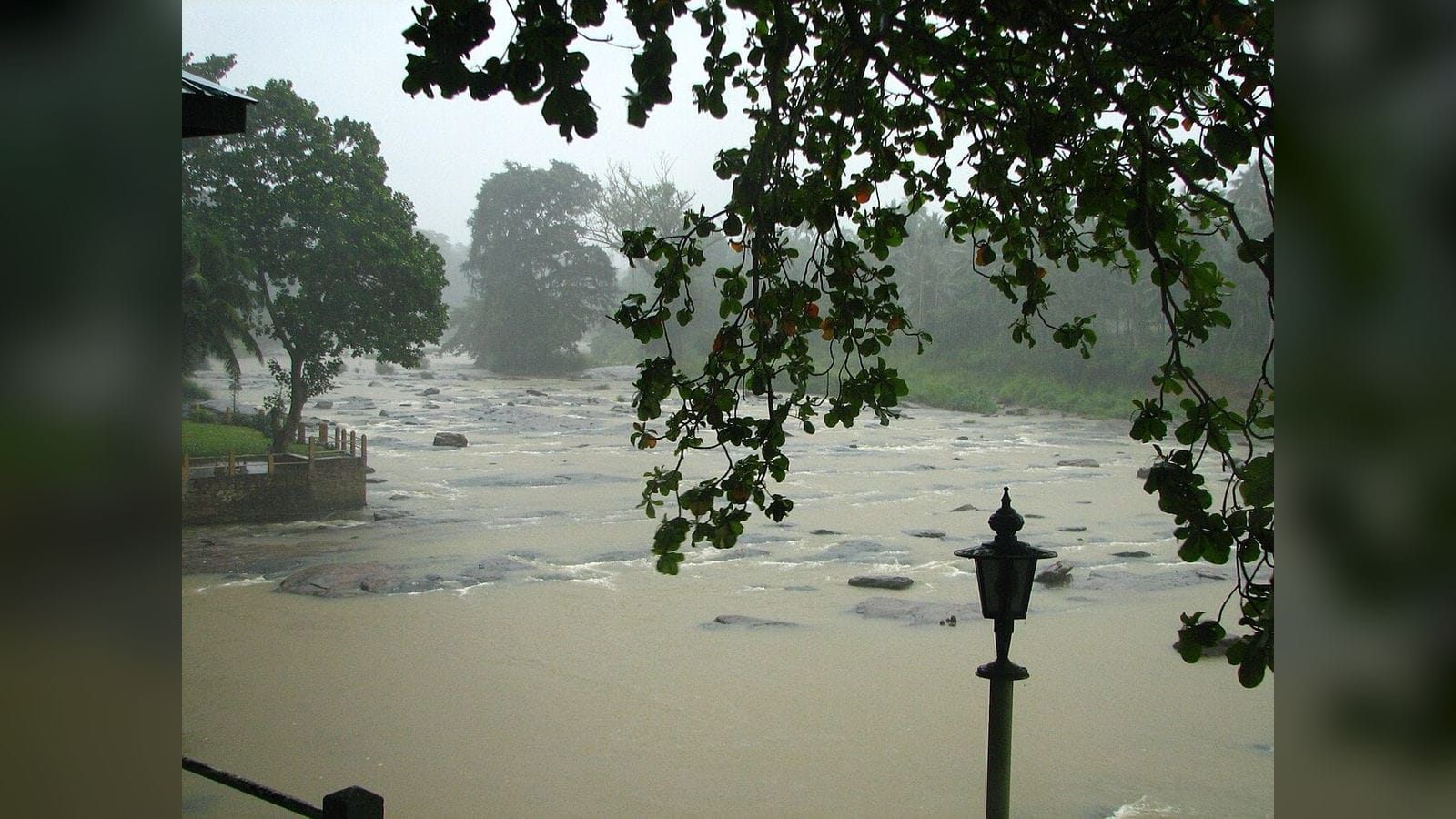
Deduru Oya is releasing 16,500 cusecs and Rajanganaya more than 13,200 into the Kala Oya. Colombo roads are flooded and heavy rain is forecast to continue.
Sri Lanka's 74 major reservoirs held 33.6% of capacity on September 13. The east is worst hit, and the largest reservoir of all is down to 17.6%.
Major reservoirs stood at 34.3% capacity on September 6 — Irrigation warns some provinces face water stress until rain arrives.
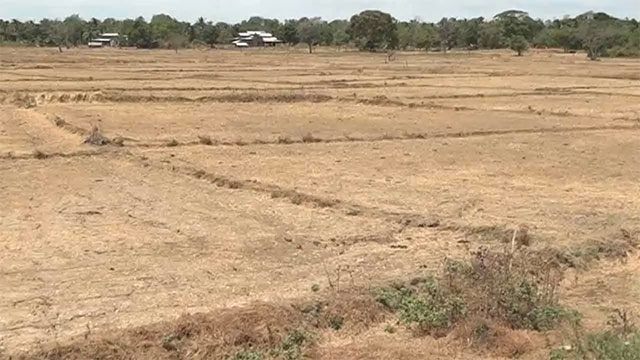
Severe drought exposed the Sitha Maligawa ruins at Parakrama Samudraya, now at 66,000 acre-feet, amid fish kills and tank failures across the region.
Polonnaruwa's irrigation releases from main reservoirs stopped completely this week, as FAO warns of exceptional El Niño.
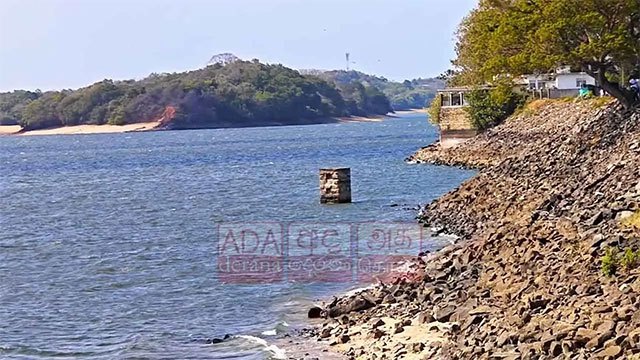
The reservoir holds about 40,000 of 110,000 acre-feet. Releases from Parakrama Samudra and Giritale have already stopped, and Minneriya's end within two days.

NWSDB Chairman Chandana Bandara says wells are under construction in Monaragala with Batticaloa to follow, as Ampara storage drops to 21.7 per cent.

Ethimale is down to 5% and Morawewa to 9%, the Irrigation Department says, as Monaragala accounts for 42% of the 84,545 people the DMC counts as affected.

The National System Operator says catchment rainfall has held hydro storage at 67%, while Irrigation Department reservoirs have slipped to 35%.

Anura Kumara Dissanayake tells officials to expand small and medium reservoirs and bring irrigation rehabilitation under a single national plan.
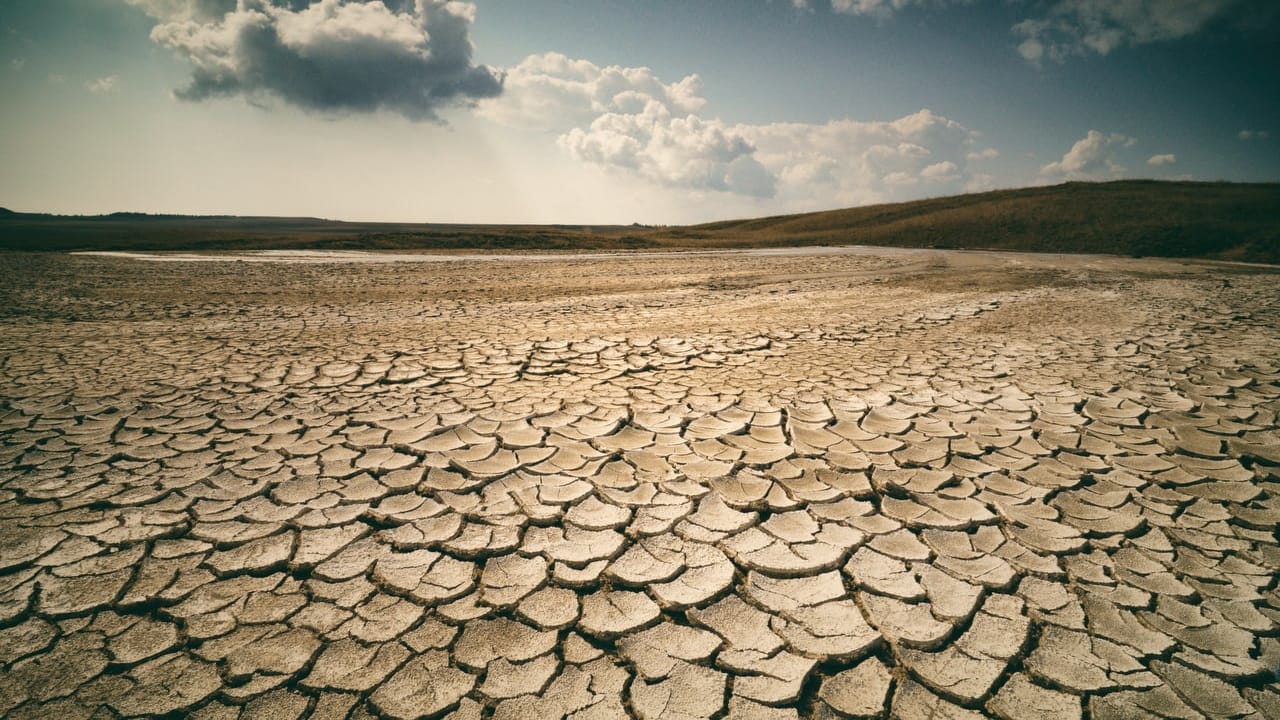
Irrigation Department data for 74 major reservoirs shows Kurunegala highest at 74.9%, while Manankattiya in Anuradhapura is down to 1.5%.

Irrigation Department reports the sharpest declines in the eastern dry zone, with Ampara at 22.8%. Drinking water reservoirs are unaffected.
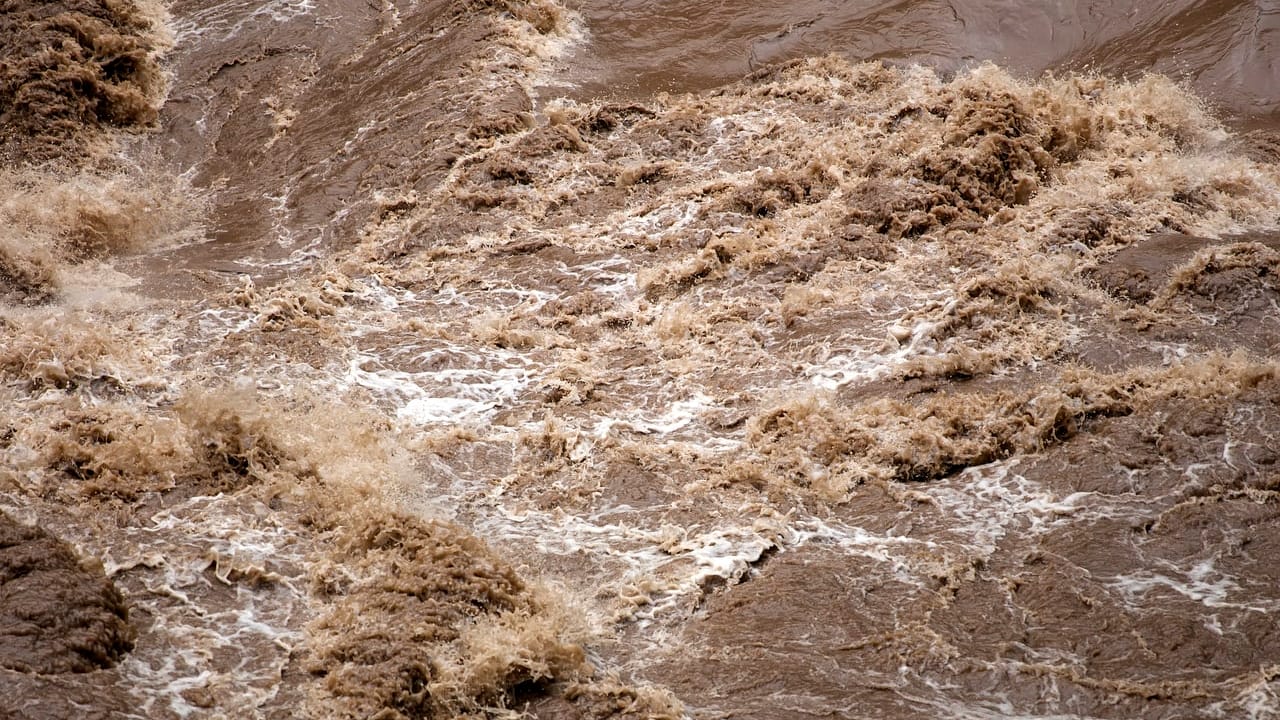
Two reservoirs spilling as national storage holds at 39.3%; dry zone remains lowest.

Bowathenna reservoir drains from August 17 for national desilting pilot; capacity fell from 56 to 23 million cubic metres.

Irrigation Department reservoirs at 42% capacity; small tanks risk drying up under El Niño conditions.

Reservoirs and irrigation tanks are drying up as El Niño intensifies, with the Met Department warning hot weather will worsen next month.

The Irrigation Department has urged farmers to save water with reservoirs at 48% capacity as El Niño nears, while a heat advisory covers six districts.

73 major reservoirs hold 63% capacity, enough water for Yala cultivation, but the Maha season could be hit by El Niño conditions, P.S.D. Herath says.

NAQDA has rolled out a Rs.25 million cage-pregrowing project that triples larvae-to-prawn efficiency at five tested reservoirs across three districts.

Weather death toll rose to two on May 15, with 88 houses damaged and 3,475 people affected. Met Department says the system will recede within 36 hours.