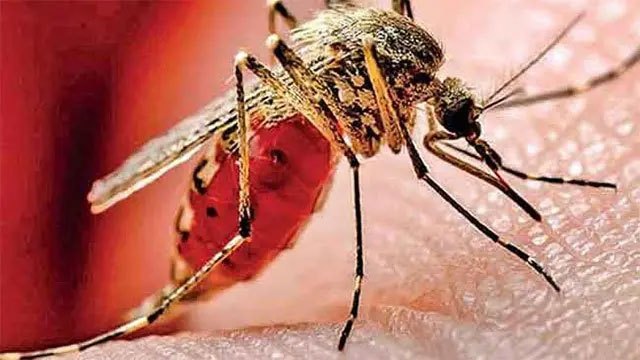
Sri Lanka has recorded 83,661 dengue cases so far in 2026, with the death toll standing at 61, the National Dengue Control Unit (NDCU) said in figures reported by Ada Derana on Wednesday. The cumulative count continues to climb, though the death toll is unchanged from earlier in the week.
At the same time, the unit says the rate of new infections is starting to turn. NDCU Director Dr. Kapila Kannangara told NewsFirst that a decrease in reported cases is being observed in the Colombo, Gampaha, Ratnapura, Galle and Matara districts — areas where cases had previously been reported rapidly. He said mosquito larva density has also fallen to some extent.
Gampaha District remains the worst affected, with 17,779 cases, followed by Colombo District at 16,665. The Western Province accounts for 44,359 cases — more than half the national total — while the Southern Province is next with 12,586.
The two agencies’ figures come from different data snapshots taken the same morning. Ada Derana reported the higher cumulative total of 83,661, while NewsFirst cited 82,838 cases, the count carried in the NDCU’s earlier release. Both put the death toll at 61.
The high-risk figures are also expressed differently. Ada Derana reported that the NDCU has identified 175 high-risk areas requiring increased attention, while Dr. Kannangara told NewsFirst that 172 high-risk Medical Officer of Health (MOH) divisions have been identified, with control programmes running in 63 of them. The two appear to use different units of measurement rather than to contradict each other.
The outbreak has grown steadily through the year. Case counts stood at around 71,000 with 49 deaths in mid-July and roughly 76,000 with 50 deaths by July 20, making July the worst month of 2026 so far.
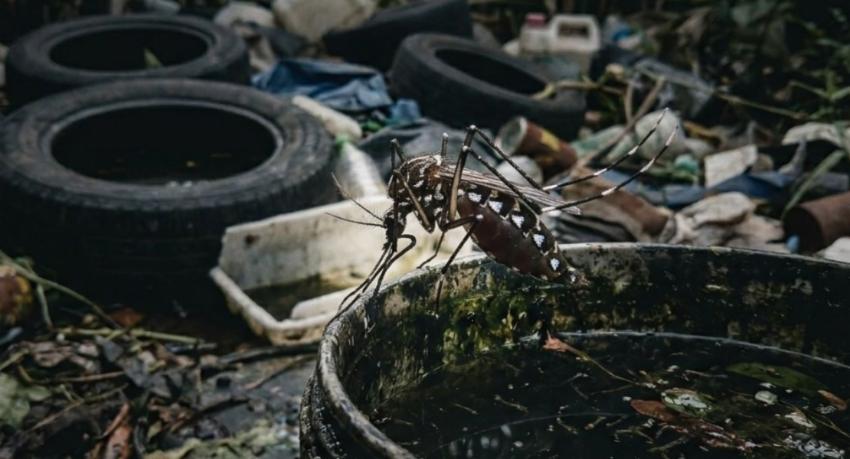
Health authorities continue to urge the public to eliminate mosquito breeding sites around homes, schools and workplaces, and to seek early medical attention for fever. Larval inspections and clean-up drives have been stepped up in the identified high-risk areas.
Update (July 30): The cumulative count has passed 84,000. The NDCU reported 84,091 cases for the year to date, with the death toll unchanged at 61 — no dengue-related deaths were recorded the previous day, Ada Derana said.
July alone has accounted for 28,717 cases, the Daily Mirror reported, making it comfortably the worst month of the year so far. The number of high-risk areas stands at 175.
Gampaha District remains the most affected with 17,850 cases, followed by Colombo at 16,716. The Western Province total has risen to 44,552, still more than half the national figure, while the Southern Province stands at 12,656.
The NDCU advised anyone with a fever to avoid taking medication other than paracetamol and to seek immediate medical attention if symptoms persist or worsen. Separately, Minister of Public Administration, Provincial Councils and Local Government Prof. Chandana Abeyratne announced on Thursday that community-based waste management programmes are being rolled out to reduce breeding sites, with machinery distribution to local authorities beginning August 5.
Update (July 31): The death toll has risen to 62, up one from the figure that had held since earlier in the week, with cumulative cases for the year reaching 84,724, the NDCU said.
July has now accounted for 29,350 cases through July 30, confirming it as the worst month of the year by a wide margin.
Gampaha District remains the most affected with 17,971 cases, followed by Colombo at 16,814 and Kandy at 5,873. The Western Province total stands at 44,829, the Southern Province at 12,738 and the Central Province at 7,370.
Separately, Health Minister Dr. Nalinda Jayatissa said the government intends to allow the private sector to import the dengue vaccine once it is approved, and that the Wolbachia mosquito-control method will be deployed for 18 months from September.